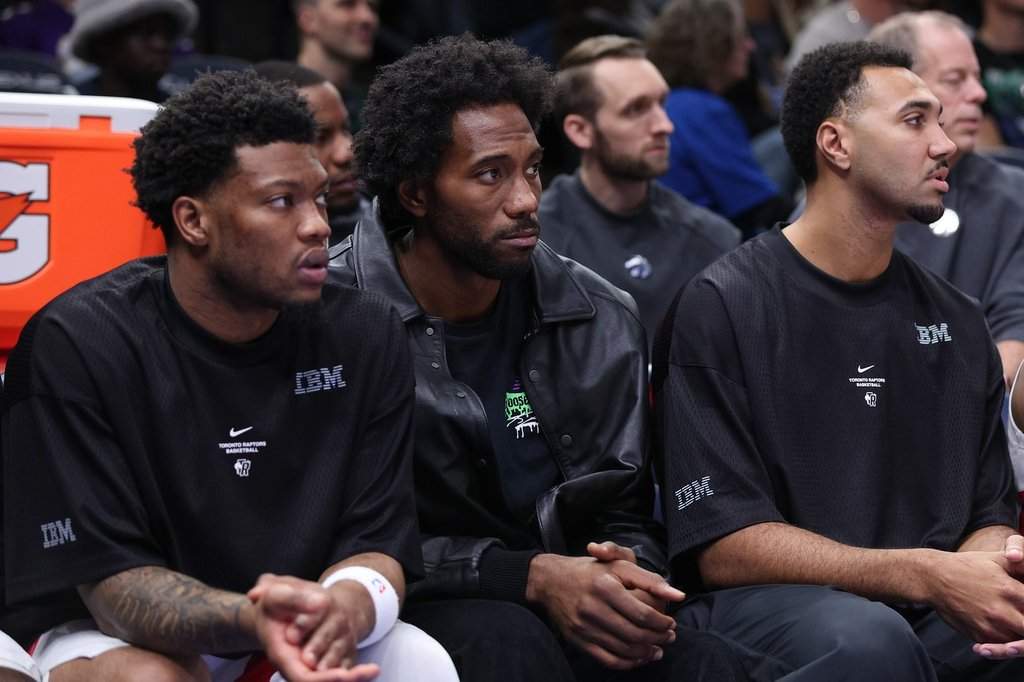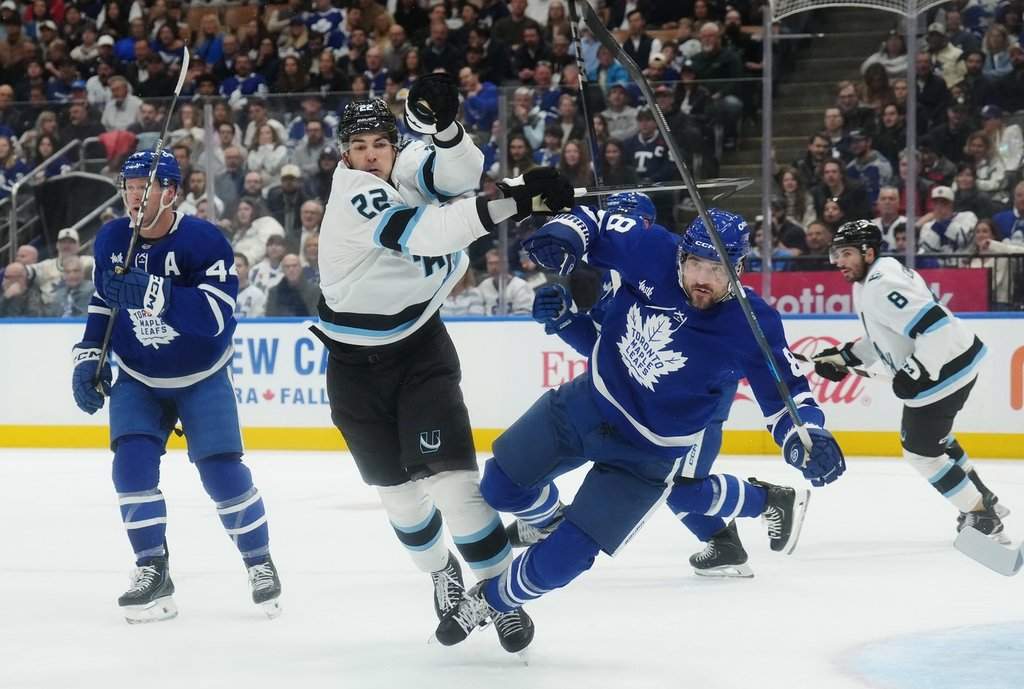
You can spend tens of millions of dollars on top-line offensive talent, pack an arena with the loudest fanbase in hockey, and still get outworked in your own building by a franchise finding its identity. That's exactly what happened when the Utah Mammoth skated off with a 3-2 victory over the Toronto Maple Leafs.
Most casual observers will glance at the box score, shrug at a one-goal loss in the middle of an 82-game grind, and move on. They're missing the point entirely. A 3-2 final score hides just how thoroughly Utah dictated the terms of engagement, turning Toronto's biggest structural strengths into glaring liabilities for sixty minutes. Also making headlines recently: Why Kylian Mbappé Still Sells Soda in Beijing While His Matches Stay Dark.
If you've watched the Maple Leafs over the past several seasons, the script feels exhausting. High-end skill runs into a disciplined, fast-forechecking opponent that refuses to give up the middle of the ice, and suddenly Toronto's breakout looks like a panicked fire drill. Utah didn't win this game by accident or luck. They won it because they followed a blueprint that consistently breaks Toronto's rhythm.
How the Utah Mammoth Outsmarted Toronto's Transition Game
Hockey at the NHL level is won and lost in the neutral zone, and Utah owned that real estate from the opening puck drop. Instead of sitting back in a passive trap—which gives Toronto's skilled defensemen too much time to thread stretch passes—Utah aggressively pressured the puck carrier high in the offensive zone. More insights into this topic are detailed by Yahoo Sports.
Watch what happens when you force Toronto's blue line to make decisions in under a second. Their forwards love to curl and look for east-west passing lanes through the neutral zone, hoping to hit a teammate in full stride at the offensive blue line. Utah took away those lateral lanes completely. Every time a Maple Leafs defender looked up ice, his outlets were blanketed, forcing chips off the glass or low-percentage dump-ins that Utah's quick defensemen easily retrieved.
It wasn't flashy hockey. It was suffocating.
By turning over pucks between the red line and Toronto's blue line, the Mammoth created quick-strike counterattacks before the Maple Leafs' backcheckers could sort out their assignments. In a tight 3-2 game, those extra four or five high-danger rush chances are the difference between earning two points and explaining another frustrating loss to the media.
Neutral Zone Discipline Matters More Than Raw Speed
People talk about team speed as if it's purely a footrace from end to end. It isn't. True NHL speed is about how fast five players connect on short passes and support the puck in tight spaces.
Utah's forwards stayed within fifteen feet of their defensemen during breakouts, giving the puck carrier two easy, predictable options on every retrieval. Compare that to Toronto's stretched-out alignment, where forwards frequently leaked out early looking for home-run plays. When the pass missed—and it missed often—Toronto was instantly outnumbered defending their own zone.
What Most Fans Missed About Utah's 3-2 Victory
When a game finishes 3-2, the post-game conversation almost always gravitates toward goaltending saves, a missed power-play opportunity, or a bad bounce off the boards. Those things matter, sure, but they're symptoms rather than causes.
The real story of this matchup was wall battles and net-front positioning. Utah didn't just beat Toronto on the rush; they dominated the heavy, unglamorous areas below the hash marks. Whenever the Maple Leafs managed to establish offensive zone pressure, Utah collapsed five players tight around the slot, blocking shooting lanes and boxing out sticks before rebounds could turn into second-chance chaos.
Toronto spent plenty of time cycling the puck along the perimeter, racking up possession time that looks great on basic analytics charts. Honestly, Utah was completely fine letting them have it. Perimeter possession without inside penetration is empty calories in modern hockey, and the Mammoth's defensive structure dared Toronto to try forcing pucks through traffic.
Special Teams and Momentum Swings
In tight one-goal contests, special teams usually tilt the ice. Toronto's power play carries a reputation that terrifies penalty killers across the league, yet Utah's aggressive diamond and wedge formations refused to let the Maple Leafs set up comfortably at the top of the umbrella.
By pressuring the half-wall immediately upon zone entry, Utah forced hurried passes and cleared the zone repeatedly. Even when Toronto generated clean looks, they rarely had a second layer of traffic screening the goaltender. Meanwhile, Utah kept their own power-play approach refreshingly simple—get pucks to the point, funnel everything toward the net, and crash the crease for loose change.
Why the Maple Leafs Keep Falling Into the Same Trap
You don't need an advanced coaching degree to spot the pattern that keeps biting Toronto against hungry, structured opponents like the Utah Mammoth. When things get tight, Toronto's top players try to do too much individually rather than trusting the system.
Instead of putting a puck behind the defense and winning it back on the forecheck, a forward tries to beat two defenders one-on-one at the blue line. Turnover. Counterattack. Defensive zone scrambling. It happens over and over again, and opponents around the league have taken notes.
There's also an emotional component to games against franchises building momentum like Utah. For the Mammoth, beating a marquee Original Six opponent in a tightly contested 3-2 battle is a statement game—proof that their roster can hang with established contenders when the intensity cranks up. For Toronto, it's Tuesday night in a long regular season, and that slight gap in urgency shows up in loose puck races.
The Danger of Playing Not to Lose
Once a game hits the third period tied or separated by a single goal, team psychology shifts dramatically. Utah played the final twenty minutes looking to dictate play and close out the win on their terms. Toronto looked hesitant, caught halfway between pushing for an equalizer and protecting against another odd-man rush.
That hesitation is fatal in the NHL. When you play between gears, you arrive half a step late to every board battle, your sticks are in the wrong passing lanes, and your goaltender faces unpredictable screens from his own defenders.
What This Result Means for Both Franchises Going Forward
For the Utah Mammoth, banking two points in a 3-2 road-style grinder against Toronto validates everything their coaching staff has been preaching about structure, accountability, and five-man connectivity. Young rosters often struggle to close out tight games against star-studded lineups because they panic under late pressure. Utah didn't blink. They trusted their structure, absorbed Toronto's late push, and made the simple, high-percentage plays required to secure the result.
For the Toronto Maple Leafs, the takeaways are far less comfortable. Talent will win plenty of regular-season games when opponents give you room to skate and make cute plays through the middle of the ice. Come spring, nobody plays loose hockey. Every opponent looks like the Utah Mammoth—disciplined, physical along the walls, and ruthless about punishing neutral-zone turnovers.
If you're evaluating Toronto's true contender status right now, stop looking at highlight-reel goals in blowouts and start tracking how they perform in 3-2 grinders against structured teams. Watch their gap control in the neutral zone, count how many times their forwards support the defense below the goal line, and pay attention to whether they're willing to win ugly battles in front of the opposing crease. Until those habits become automatic rather than optional, nights like this loss to Utah will keep repeating themselves when the games matter most.