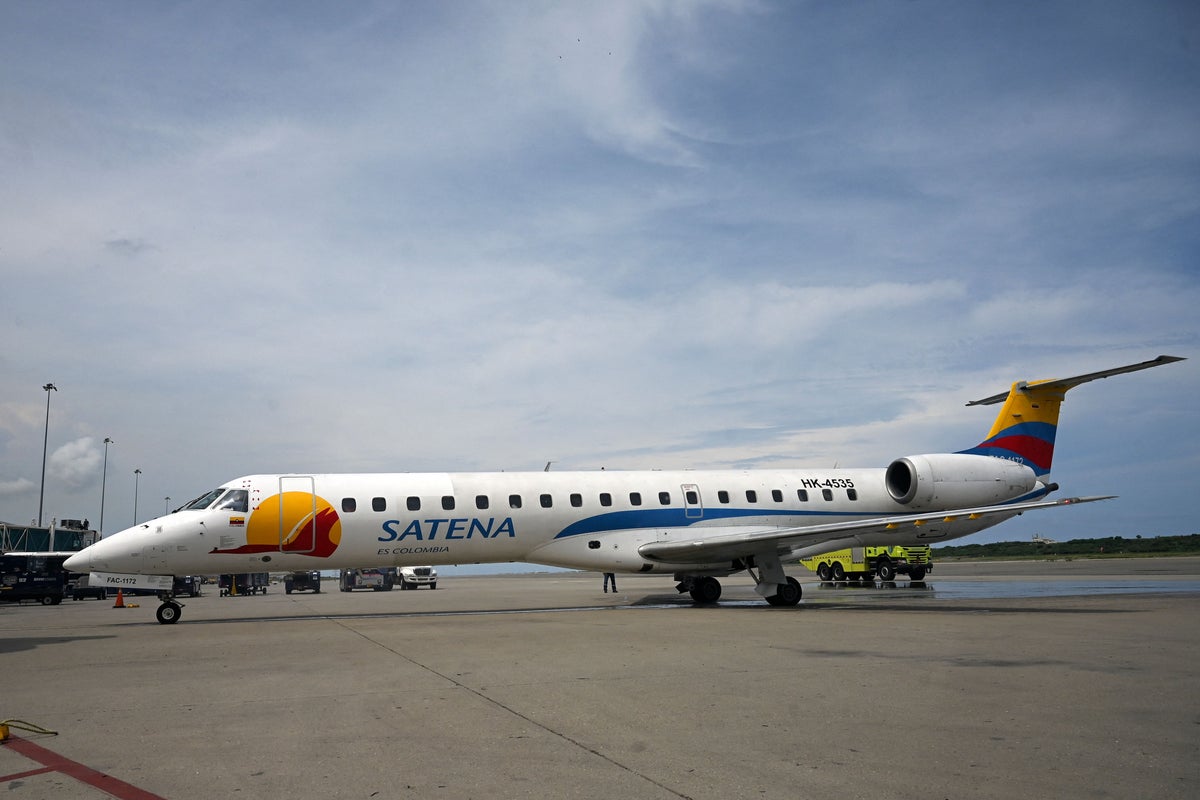
Seven years is a lifetime in aviation. It's even longer in geopolitics. If you've been waiting to book a direct flight between the United States and Venezuela, the wait's over. But don't expect to just walk into the airport and see things exactly as they were in 2019. The world has changed, the planes have changed, and the diplomatic dance keeping these routes alive is more fragile than most people realize.
The ban is lifting because both sides finally found something they want more than an argument. For the U.S., it's about stabilizing energy markets and managing migration. For Caracas, it's about a desperate need for hard currency and a return to the international stage. It’s a pragmatic truce, not a sudden friendship. For a deeper dive into this area, we recommend: this related article.
Why the Sky Reopened Now
The suspension of flights in 2019 wasn't just a random spat. It was part of a "maximum pressure" campaign that effectively cut Venezuela off from the Western financial system. So, what changed? In simple terms, the global energy crisis forced Washington’s hand. You can’t ignore a country with the world’s largest proven oil reserves forever when global prices are swinging wildly.
The Biden administration started easing some sanctions after the Maduro government and the opposition agreed to electoral guarantees in Barbados. This deal acted as the green light. Since then, we’ve seen Chevron ramp up production in the Orinoco Belt, and now, the logical next step is moving people, not just barrels of crude. It's a business decision dressed up as diplomacy. For broader details on this topic, comprehensive coverage can be read on The New York Times.
The Logistics of a Seven Year Gap
You can't just flip a switch and start flying Boeings into Caracas tomorrow. Most of the infrastructure has been sitting under-maintained or utilized by a shrinking pool of regional carriers. American, Delta, and United pulled out long ago. They didn’t just stop flying; they shuttered offices, moved staff, and liquidated local assets.
Re-establishing these routes involves more than just a gate at Simon Bolivar International Airport. We're talking about:
- Safety certifications by the FAA that have lapsed.
- Re-securing ground handling contracts in a high-inflation environment.
- Navigating the complex "Overflight" fees that haven't been paid in years.
I’ve talked to logistics experts who say the real hurdle isn't the planes. It’s the insurance. Most aviation insurers are still wary of Venezuelan airspace. Until the "war risk" premiums drop, ticket prices are going to be eye-wateringly high. You aren't going to find $400 round trips to Miami anytime soon. Expect to pay a premium for the convenience of skipping a six-hour layover in Panama City or Santo Domingo.
The Migration Factor Nobody Mentions
While the media focuses on business travelers and oil execs, the real volume for these flights will come from the Venezuelan diaspora. There are over 7 million Venezuelans living abroad. A huge chunk of them are in the U.S. For years, these families had to fly to Bogota or Punta Cana and take sketchy bus rides or expensive charter hops to see their relatives.
The resumption of flights is a massive humanitarian relief valve. It allows for more efficient deportations—which the U.S. government is keen on—but also for legitimate family reunification. It’s a messy, complicated reality. On one hand, the U.S. is easing travel to help people; on the other, it’s easing travel to make it easier to send people back.
Security and Trust on the Tarmac
One big question remains. Is it safe? The FAA’s "Category 2" rating for Venezuela hasn't magically disappeared. This rating means the country’s civil aviation authority doesn't meet ICAO standards. Usually, this prevents a country's airlines from adding new routes to the U.S. or code-sharing with U.S. carriers.
To get around this, we’ll likely see "wet-lease" agreements. This is where a Venezuelan airline hires a third-party company from a "safe" country to provide the plane and crew. It’s a legal workaround that keeps the lawyers happy but adds layers of cost. If you're booking a flight, look closely at the "Operated by" line on your ticket. It tells the real story of who is actually flying that plane.
The Economic Reality Check
Don't let the headlines fool you into thinking the Venezuelan economy is back to its 1990s glory. It isn't. The country still grapples with massive debt and a hollowed-out private sector. However, the return of U.S. carriers is a psychological win for the Maduro administration. It signals a "normalization" that they've been craving.
For American companies, this is a speculative play. They want to be first in line when the market truly opens up. Caracas used to be one of the most profitable routes in the world for American Airlines. The "Expat" traffic alone was a goldmine. They're betting that even a fractured Venezuelan market is better than no market at all.
What Happens if Tensions Rise Again
This entire deal is built on sand. If the 2024 election results in Venezuela are seen as fraudulent by the State Department, these flights could be grounded within 24 hours. We've seen it before. In 2019, the Department of Transportation issued the order to suspend flights based on "conditions in Venezuela that threaten the safety and security of passengers."
If you're planning travel for late 2025 or 2026, keep your plans flexible. Buy travel insurance that covers "Cancel for Any Reason." This isn't a stable market like London or Tokyo. It's a geopolitical experiment.
Practical Steps for Travelers
If you’re looking to be on one of the first flights out, start getting your paperwork in order now.
- Check your passport validity. Venezuela has been erratic with passport extensions. Ensure yours is recognized by U.S. Customs.
- Watch the carrier announcements. Don't buy from third-party aggregators until the major airlines officially list the flights on their own websites.
- Be ready for scrutiny. Security at both ends will be intense. Expect extra luggage checks and longer "interview" times with immigration officers.
The reopening of the U.S.-Venezuela air corridor is a major shift, but it's not a return to the status quo. It’s a new, more cynical era of travel where the flight path is determined by oil prices and election cycles as much as it is by pilot navigation. Keep your expectations grounded and your tickets refundable.