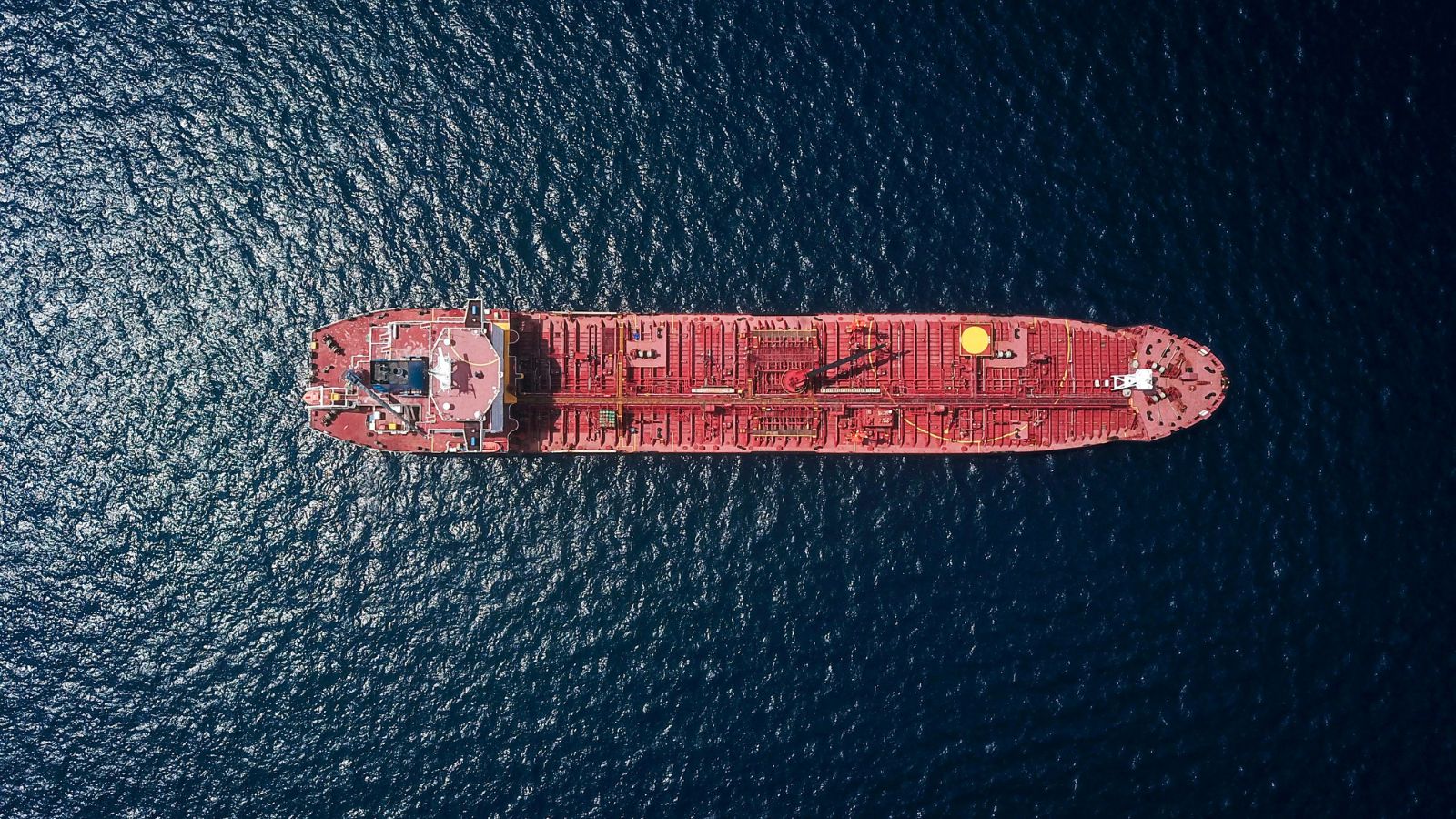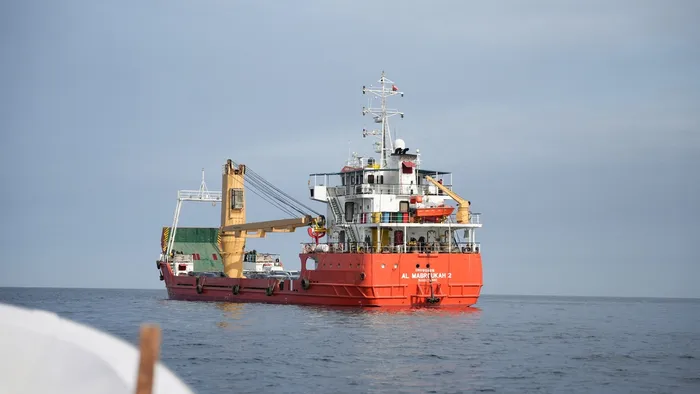
The global energy map is shifting right under our feet. If you've been following the numbers from the Energy Information Administration (EIA), you already know the headline. US natural gas exports are projected to jump 28% by 2027. That isn't just a minor uptick or a statistical fluke. It's a massive structural change in how the world gets its power.
Think about that scale for a second. We’re talking about an industry that’s already the world leader in Liquefied Natural Gas (LNG) adding nearly a third more capacity in less than three years. This growth isn't coming from thin air. It’s the result of massive capital investments in the Gulf Coast and a global thirst for energy security that hasn't been this intense since the 1970s. Recently making waves lately: Asia is Not Going Green It is Doubling Down on Survival.
The Infrastructure Wave Behind the 28 Percent Jump
You can't export gas if you don't have the "trains" to freeze it. In the world of LNG, a train is a massive cooling unit that turns gas into liquid so it can be pumped onto a ship. Right now, three major projects are the engines driving this 28% forecast.
Golden Pass LNG in Texas and Venture Global’s Plaquemines LNG in Louisiana are the big players here. Then you've got Cheniere Energy—the heavyweight of the industry—expanding its Corpus Christi facility. These aren't just blueprints. These are massive construction sites where billions of dollars are being turned into steel and valves. Further insights regarding the matter are explored by CNBC.
The sheer volume of gas these plants will handle is staggering. Total US LNG export capacity is expected to reach over 24 billion cubic feet per day (Bcf/d) by the end of 2027. To put that in perspective, that’s enough gas to power millions of homes across entire continents every single day.
Europe and Asia are Locked in a Bidding War
Why is the US building all this? Because the rest of the world is desperate for it. After the geopolitical mess in Eastern Europe, the EU realized it couldn't rely on pipeline gas from Russia anymore. They learned that lesson the hard way. Now, they're building regasification terminals at a record pace to catch the ships coming from the US Gulf Coast.
But don't think Europe is the only buyer. Asia is still the long-term prize. China, India, and emerging economies in Southeast Asia are trying to move away from coal to hit their climate goals. Natural gas is the bridge. It’s cleaner than coal and more reliable than wind or solar when the weather doesn't cooperate.
I've seen critics argue that the US should keep its gas at home to keep domestic prices low. It’s a fair point, but it ignores the reality of global markets. We produce more gas than we can use. If we don't sell it, the rigs stop drilling, and the industry stalls. By exporting, the US secures its spot as the world's energy bank.
Pipeline Bottlenecks and the Permian Problem
It's not all smooth sailing. You can build all the export terminals you want, but you have to get the gas from the wellhead to the coast first. This is where things get messy.
The Permian Basin in West Texas is overflowing with gas. Much of it is "associated gas," which is basically a byproduct of drilling for oil. In many cases, drillers have so much of it they’d almost give it away just to keep the oil flowing. But the pipelines are full.
We need more pipe. Specifically, projects like the Matterhorn Express Pipeline are critical to making that 28% growth reality. Without these high-pressure arteries, the gas stays trapped in the desert, and the export terminals on the coast sit idle. It’s a massive logistics puzzle that requires federal permits, state approvals, and billions in private equity.
The Environmental Tightrope
Let's be real about the carbon footprint. Natural gas is often called a "clean" fuel, but that's a relative term. It’s cleaner than coal, sure. But methane leaks are a massive problem. Methane is far more potent than CO2 when it comes to trapping heat in the atmosphere.
The industry knows this. If they want to keep selling to Europe, they have to prove their gas is "green" enough. We're seeing a rise in certified gas—fuel that's tracked from the well to the ship to ensure methane emissions are minimized. Companies that don't adapt to these standards might find themselves locked out of the most lucrative markets.
What This Means for Your Wallet
If you’re a consumer, you might be worried that sending 28% more gas overseas will hike your heating bill. It’s a logical fear. More demand usually equals higher prices.
However, the US gas market is incredibly resilient. Every time prices tick up, drillers in the Marcellus Shale or the Haynesville Shale find ways to get more out of the ground. The US has a way of overproducing itself out of price spikes.
For investors, the 2027 window is the sweet spot. We’re moving past the "maybe" phase into the "operational" phase. The companies building these terminals are signing 20-year contracts. That’s steady, predictable cash flow. It’s not a get-rich-quick scheme; it’s an infrastructure play.
The Geopolitical Shift Nobody Mentions
By 2027, the US won't just be an energy exporter. It’ll be an energy superpower with leverage. Energy is a tool of diplomacy. When a country relies on you to keep their lights on, they’re much more likely to be a stable partner.
We’re seeing a total reversal of the 20th-century energy dynamic. The US used to be at the mercy of foreign oil cartels. Now, the world is looking to us to stabilize the market. This 28% growth is the final piece of that puzzle. It cements the US as the indispensable provider of the world's most versatile fuel.
Next Steps for Energy Observers
If you want to track this, don't just look at the stock prices of big oil companies. Watch the monthly EIA export reports. Look for updates on the Golden Pass LNG construction timeline. If that project hits a snag, the 2027 forecast might shift.
Keep an eye on the FERC (Federal Energy Regulatory Commission) filings. That’s where the real battles happen. If you're looking to position yourself, focus on the midstream players—the ones owning the pipes and the processing plants. They win regardless of the commodity price, as long as the volume is moving. And the volume is definitely moving.
Don't wait for 2027 to react to this shift. The contracts are being signed now. The steel is being laid now. The transition is already happening.