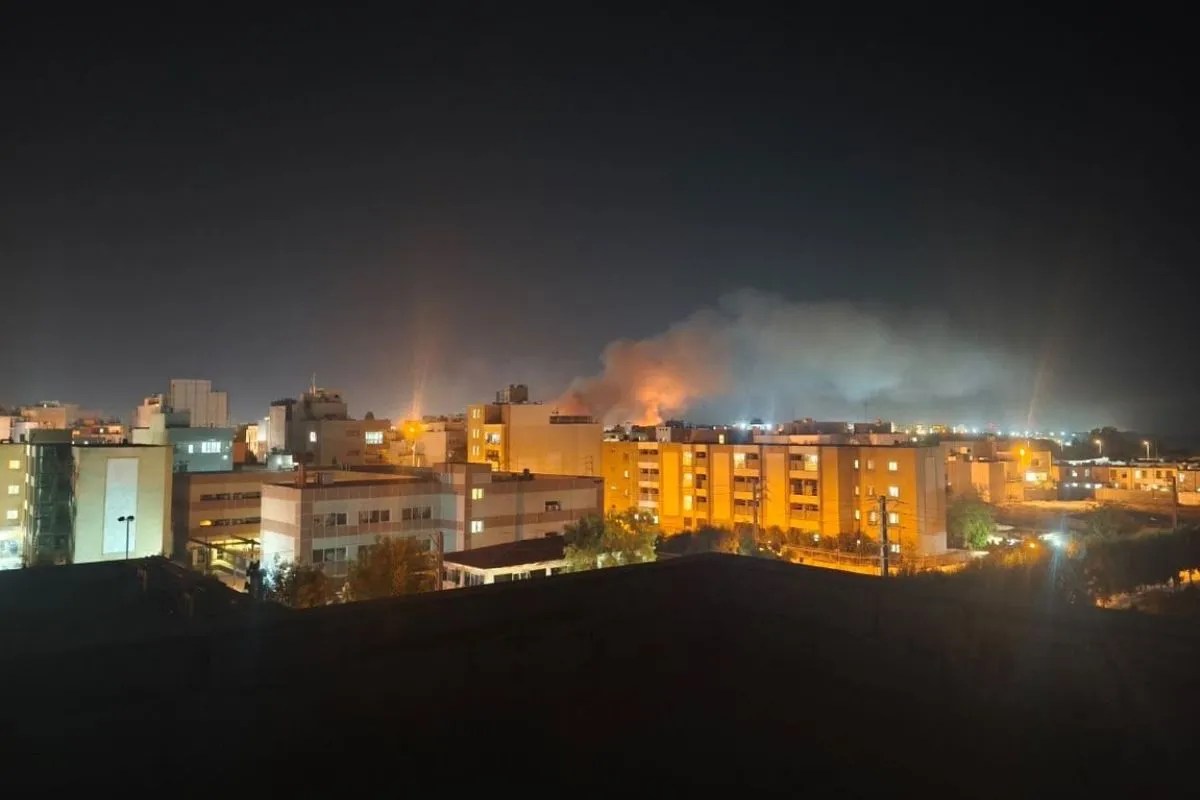
Military strikes don't happen in a vacuum. When the latest reports confirm fourteen people died over two days of airstrikes, with dozens more filling up local hospital beds, the immediate reaction is predictable. People panic about World War III. Mainstream outlets run terrifying graphics of missile trajectories.
But those reactions miss the point entirely. The real crisis isn't that a massive, world-ending war is about to start tomorrow. The crisis is that this endless cycle of targeted strikes and retaliations has become the acceptable status quo for both Washington and Tehran.
Right now, forty-seven people remain hospitalized out of nearly eighty wounded in the recent wave of bombardments. Those numbers aren't just statistics. They represent a dangerous miscalculation by planners who think they can fine-tune military violence without triggering a total collapse of regional stability.
The Broken Logic of Deterrence Through Airstrikes
We have seen this script play out dozens of times over the last decade. A regional proxy group attacks an American asset. The Pentagon draws up a list of targets. Jets scramble, bombs drop, and the official press release claims that deterrence has been restored.
It hasn't. It never is.
The strategy relies on a flawed assumption that you can beat an adversary into submission if you just find the right threshold of pain. When US forces struck those positions, killing fourteen individuals over a forty-eight-hour window, the goal was to send a clear message. The problem is that the message gets distorted in translation.
Tehran doesn't look at fourteen dead and think about backing down. Instead, they see an opportunity to harden their domestic political stance, rally their network of regional allies, and project resilience. The wounded individuals still filling hospital wards become powerful symbols for state media. They use the imagery to justify the next round of proxy operations.
What the Numbers Tell Us About the Reality on the Ground
Look closely at the casualty figures from these recent forty-eight hours. Out of seventy-eight total individuals impacted by the strikes, forty-seven are still dealing with severe injuries in medical facilities. That high ratio of injured-to-dead tells a specific story about modern precision warfare.
These operations aren't designed to completely wipe out an enemy army. They target command centers, logistics hubs, and weapons depots. But human beings populate those spaces. The high number of hospitalized survivors means that the political and physical fallout lingers long after the smoke clears from the initial explosion.
I have tracked regional military deployments for years, and one thing stands out clearly. Every time a strike occurs, civilian infrastructure suffers nearby. Even when the intelligence is perfect—which it rarely is—the shockwaves shatter windows, disrupt power grids, and overwhelm local doctors who are already operating under intense strain.
The immediate tactical success of destroying a radar installation or an ammunition dump rarely matches the long-term strategic cost. You don't build a safer world by turning regional medical centers into trauma wards for casualties of geopolitical messaging.
The Strategy of Managing Chaos Instead of Solving It
Washington policy circles love the phrase managing the conflict. It sounds professional. It sounds controlled. In reality, it means accepting a permanent state of low-level warfare where people die every single week just to maintain a fragile balance of power.
The US strategy relies heavily on economic sanctions combined with periodic military muscle-flexing. The goal is to isolate Iran until it changes its regional behavior. But decades of data show that sanctions don't stop drone production, and occasional airstrikes don't convince hardliners to abandon their ideological goals.
On the flip side, Iran uses its forward defense strategy. By funding, training, and arming various groups across Iraq, Syria, Lebanon, and Yemen, Tehran keeps the conflict far away from its own borders. When the US strikes back, it usually hits these forward positions, leaving the core leadership in Tehran untouched.
This dynamic creates a buffer zone where blood is spilled, but the actual decision-makers never face the direct consequences of their choices. The fourteen people who lost their lives in the last forty-eight hours were on the front lines of this proxy architecture. Their deaths change the tactical map slightly, but they leave the underlying political standoff completely untouched.
How Local Communities Pay the Ultimate Price
We often talk about geopolitics as if it were a massive chess game played by brilliant strategists in well-conditioned rooms. That view is a luxury for people who don't live under the flight paths of heavy bombers.
When seventy-eight people are injured in a single weekend, the local economy takes a massive hit. Breadwinners lose their ability to work. Families face sudden, catastrophic medical bills. The psychological trauma of living under constant threat of aerial bombardment alters how entire generations view the West.
If you speak to families living near these targeted zones, they don't care about the grand strategic grandstanding of either the US or Iran. They care about whether their kids can walk to school without a drone buzzing overhead. They care about whether the local clinic has enough antibiotics to treat the forty-seven people still fighting for their lives in hospital beds.
The political discourse ignores this reality. It focuses on the type of missile used, the accuracy of the guidance system, and the political fallout in Washington or Tehran. It treats human suffering as collateral damage rather than the central, defining feature of the policy itself.
Breaking the Cycle Requires a Shift in Perspective
If the goal of military action is to create lasting security, the current approach is an absolute failure. More bombs will only yield more casualties, more packed hospitals, and more funerals that serve as recruiting tools for the next generation of fighters.
We need to stop treating these flare-ups as isolated incidents that can be solved with a single weekend of airstrikes. They are symptoms of a systemic failure to find a diplomatic off-ramp.
The path forward isn't easy, and it won't happen overnight. It requires acknowledging that the policy of maximum pressure and military deterrence has hit a dead end. True security won't come from a smarter bomb or a more precise target list. It will come from a sustained, realistic diplomatic effort that addresses the core security anxieties of all parties involved.
Until that shift happens, expect more headlines just like the ones we saw this week. Expect more numbers added to the death toll, more families waiting outside emergency rooms, and a region trapped in a loop that nobody seems to know how to break.



