We’ve all seen the headlines about "breakthroughs" in Islamabad and Geneva. You might think that after years of tension, a simple "open for open" deal on the Strait of Hormuz would be a no-brainer. But if you’re waiting for a permanent peace treaty to be signed on the White House lawn, don’t hold your breath.
The reality is that the US and Iran are stuck in a cycle where the stakes aren't just high—they’re existential. It’s not just about oil or a few centrifuges. It’s about a fundamental lack of trust, a 440kg pile of highly enriched uranium, and a narrow strip of water that could literally starve the world.
The 440 Kilogram Problem
Let’s talk about the uranium first because that’s the ticking clock. As of April 2026, Iran is sitting on roughly 440.9kg of uranium enriched to 60%. If you aren't a nuclear physicist, here’s the coffee-shop explanation: 60% is essentially a hop, skip, and a jump away from 90% "weapons-grade" material.
[Image of uranium enrichment process]
The IAEA (International Atomic Energy Agency) confirms that 99% of the work required to make a bomb has already been done on this stockpile. Iran’s Foreign Minister, Abbas Araghchi, has been floating the idea of "down-blending" this material back to 3.67% as a massive concession. On paper, it sounds great. It's a technical reversal that stops the "breakout" clock.
But there's a catch. The US doesn't just want the uranium diluted; they want it gone. The Trump administration is pushing for the entire stockpile to be shipped out of the country under American supervision. Why? Because once you have the knowledge and the infrastructure—even if Fordow and Natanz have taken heavy hits from air strikes—you can always start again. The US wants a permanent ban on enrichment, while Tehran views enrichment as a sovereign right they’ll never fully forfeit.
Sanctions and the Ghost of 2015
The economic war is just as messy. Iran’s economy is currently shrinking by an estimated 10% because of the 2026 conflict. Its steel mills in Isfahan are in ruins, and its oil production has been throttled from 4 million barrels a day down to barely 2.4 million.
You’d think this would make them desperate to deal. To an extent, it does. But the Iranian leadership remembers 2015 all too well. They signed a deal, shipped out their uranium, and then watched the US pull the rug out a few years later.
Tehran is now demanding two things that are almost impossible for any US president to give:
- Permanent Sanctions Relief: They want a guarantee that the next administration won't just slap the "maximum pressure" labels back on in four years.
- No Strings Attached Spending: US hawks like Marco Rubio have long argued that any money Iran gets from sanctions relief goes straight to its regional proxies. The US wants to dictate how Iran spends its own recovered revenue. For Tehran, that’s a non-starter. It’s a total deadlock.
The Strait of Hormuz is the Ultimate Lever
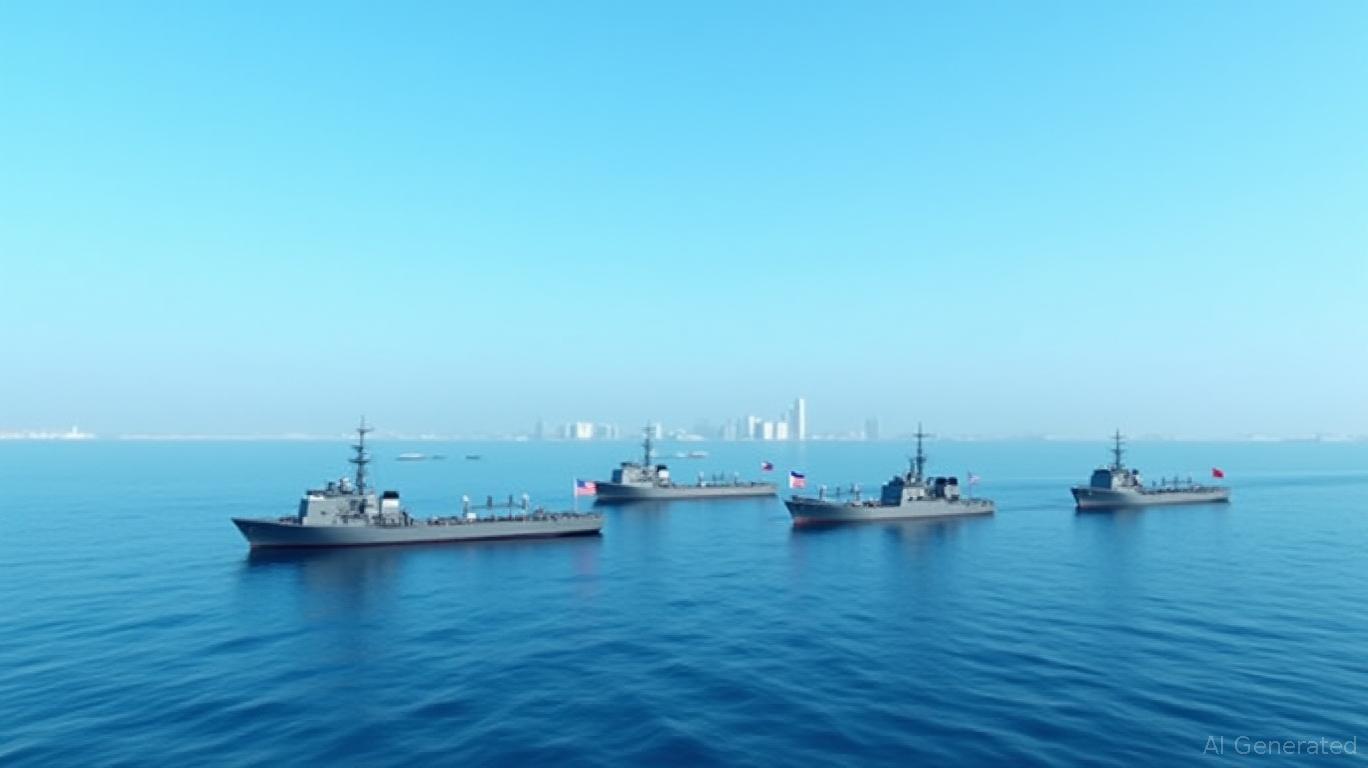
If the nuclear talks are the chess match, the Strait of Hormuz is the sledgehammer. This 21-mile-wide waterway handles 20% of the world’s oil and gas. Since February 2026, it’s been a ghost town.
The IRGC (Islamic Revolutionary Guard Corps) knows that closing the Strait is their only real way to hurt the global economy. By using sea mines, satellite jamming, and drone boats, they’ve managed to drive Brent crude prices north of $120 per barrel.
The US is trying to separate the "Hormuz issue" from the "Nuclear issue." They want an "Open for Open" deal—Iran stops harassing tankers, and the US lifts the naval blockade. But Iran knows that if they reopen the Strait without getting their nuclear and sanctions demands met, they lose their only real leverage.
Why a Deal is Further Away Than it Looks
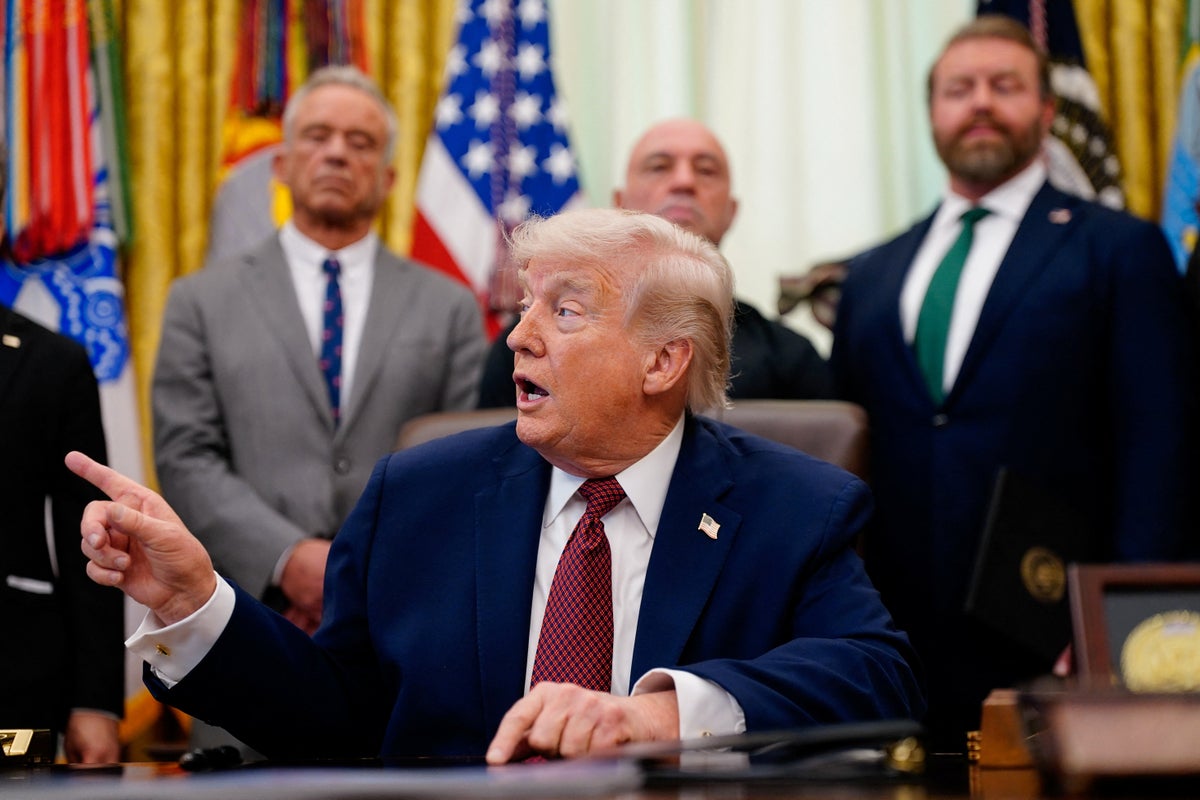
It’s easy to get distracted by the Islamabad talks. But look at the internal politics. In Iran, there’s a massive divide between those who want to use the Strait to generate revenue and those who want to keep it closed to "assert national pride" and demand war reparations. On the US side, the rhetoric is just as polarized. President Trump is alternating between offering a "very fair deal" and threatening to "knock out every single power plant" in Iran.
That’s not how you build a stable diplomatic foundation. It’s how you manage a temporary ceasefire.
What Happens if the Ceasefire Ends
The current two-week ceasefire is holding by a thread. If the talks in Pakistan fail, we aren't just going back to the status quo. We’re looking at an escalation where civilian infrastructure—bridges, power grids, and refineries—becomes the next target.
If you're watching this situation, keep your eyes on these three indicators:
- The Down-Blending Offer: If Iran actually starts diluting that 60% stockpile under IAEA eyes, it’s a sign they’re truly desperate.
- The Insurance Rates: If maritime insurance companies don't reinstate "war risk" coverage for the Strait, the waterway is effectively closed, regardless of what politicians say.
- The "Shadow Fleet": Watch how many "ghost tankers" are still managing to slip through the blockade. If the US starts sinking these instead of just seizing them, the war enters a much deadlier phase.
The path to a deal requires one side to trust the other. Right now, there isn't enough trust in the room to buy a cup of coffee, let alone secure a nuclear-free Middle East.
If you're looking for a practical takeaway, diversify your energy exposure. The volatility in the Strait isn't a glitch; it's the new baseline for 2026. Keep a close watch on the daily IAEA verification reports and the Islamabad summit bulletins. If the "permanent ban" on enrichment stays on the table, the tankers will stay anchored.