The ordinary routine of a Tuesday evening rarely signals disaster. You walk through the grocery store doors, running a mental checklist of the week's meals. You reach for the bright, crisp greens in the produce aisle, seeking health, freshness, and vital nutrition for your family. It feels like the responsible choice.
Then, forty-eight hours later, the world narrows down to the four walls of a bathroom.
Panic sets in as the cramps hit. It is not just a mild stomach ache. It is a violent, exhausting assault on the human body that leaves people trembling on cold tile floors, wondering how a simple dinner turned into a medical emergency.
For weeks, this exact nightmare repeated across dozens of American households. What began as scattered, isolated complaints quickly evolved into a coast-to-coast medical mystery. Public health officials found themselves racing against an invisible, fast-moving clock to track down the source of a massive, explosive outbreak of gastrointestinal illness that left hundreds of citizens severely depleted and demanding answers.
The Microscopic Invader
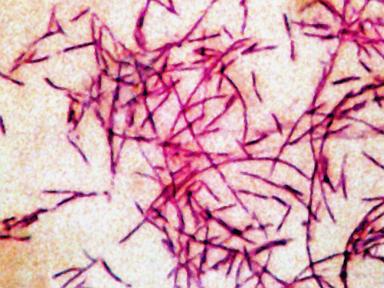
To understand how a kitchen table becomes a hazard zone, we have to look at the enemy under the lens. Public health laboratories quickly identified the culprit behind the sudden surge of severe sickness: Cyclospora cayetanensis.
It is a grand name for a tiny, single-celled parasite.
Unlike common bacteria such as Salmonella or E. coli, which often dominate product recall headlines, Cyclospora behaves differently. It enters the human digestive tract through contaminated food or water. Once inside, it takes up residence in the small intestine, beginning a stealthy process of replication.
Consider a hypothetical patient. Let us call her Sarah, a working mother from Ohio who prides herself on packing nutritious lunches. Sarah eats a fresh salad on a Monday. She feels completely fine on Tuesday. The parasite requires time to establish itself, often hiding out during an incubation period that spans anywhere from a few days to two weeks.
By Wednesday night, the symptoms strike with sudden, shocking force:
- Watery, explosive diarrhoea that seems endless
- Severe loss of appetite and rapid weight loss
- Stomach cramps, bloating, and increased gas
- Deep, muscle-aching fatigue and low-grade fever
The sheer duration of the illness is what truly terrifies patients. A standard bout of food poisoning usually relents after twenty-four or forty-eight hours. Cyclospora lingers. If left untreated, the symptoms can cycle for weeks, fading away only to return with renewed intensity, leaving the body profoundly dehydrated and exhausted.
Following the Trail of Crumbs
When an outbreak occurs, the Centers for Disease Control and Prevention (CDC) alongside the Food and Drug Administration (FDA) launch into investigative overdrive. Solving a foodborne illness outbreak mimics a complex forensic investigation, except the evidence is rapidly decomposing in trash cans or has already been consumed.
Investigating teams rely heavily on patient interviews. Disease detectives ask sick individuals to recall every single item they ate in the two weeks before they felt ill. Memory is a fickle thing. Can you remember exactly what brand of pre-washed greens you ate twelve days ago?
Pattern recognition changes the game. As the data poured into state health departments, analysts noticed a striking commonality. A massive cluster of the infected individuals reported eating the exact same style of bagged salad mixes purchased from major grocery chains across multiple states.
The investigation pointed directly toward specific processing facilities where fresh produce from various farms is washed, chopped, and packaged. Because these facilities process thousands of pounds of leafy greens daily, a contamination event at a single farm can scale up rapidly. A lone contaminated batch gets mixed into the wider supply, creating a massive distribution web of tainted products that lands on grocery shelves in ten different states simultaneously.
The Agricultural Vulnerability
The revelation that bagged salads caused the outbreak forces us to confront an uncomfortable truth about the modern food supply chain. We enjoy the luxury of eating fresh, raw produce at any time of the year, but that convenience relies on a vast, interconnected network that is highly vulnerable to environmental factors.
Cyclospora parasites are typically introduced to agricultural fields through water sources contaminated with human feces. This can happen through agricultural runoff, compromised irrigation systems, or inadequate sanitation options for field workers.
Washing the produce at home provides minimal protection. The microscopic parasites cling tightly to the rough, textured surfaces of leafy greens like romaine, spinach, and iceberg lettuce. Standard tap water cannot easily dislodge them, and chemical washes used in large-scale processing plants are not always entirely effective at neutralizing the resilient oocysts of the parasite.
This reality shifts the burden of safety entirely onto systemic agricultural standards. Preventing an outbreak requires rigorous, frequent testing of irrigation water and strict adherence to hygiene protocols at the farm level before the produce ever touches a processing conveyor belt.
Healing and Moving Forward
For those caught in the crosshairs of the outbreak, recovery requires more than just resting and drinking fluids. Because Cyclospora is a parasite and not a bacterium, standard over-the-counter anti-diarrheal medications offer little relief and can sometimes prolong the illness by keeping the parasite trapped inside the intestines.
Medical professionals treat confirmed cases with a specific combination antibiotic regimen, typically trimethoprim-sulfamethoxazole. For individuals with sulfa allergies, alternative treatments exist, though they require careful monitoring by a physician.
The true challenge lies in detecting the illness early. Many people assume they simply have a stubborn stomach bug and delay visiting a doctor. Only a specific stool test targeting ova and parasites can confirm a Cyclospora infection. Public health officials urge anyone experiencing unusually prolonged, watery diarrhoea to seek medical evaluation and request proper testing.
The grocery aisles look exactly the same today as they did before the outbreak hit the news cycle. The misting machines still spray the rows of bright greens, and the colorful bags promise health and convenience. Yet, the crisis serves as a stark reminder of the invisible threads connecting our health to distant fields, clean water networks, and the rigorous vigilance of the scientists working quietly in the background to keep our dinner plates safe.