In 2018, heavy equipment tore through an earthen berm and dismantled the first of two aging dams choking a former cranberry operation in Plymouth County, Massachusetts. By 2020, bare sand and stagnant drainage ditches had given way to an explosive return of native Atlantic white cedar swamps, returning a manipulated floodplain to a wild state. But behind the ecological triumph lies a complex web of agricultural decline, municipal liability, and hard-fought battles over what constitutes a natural state in a heavily modified New England environment. For over a century, thousands of acres across southeastern Massachusetts were shaped, diked, and flooded to feed the nation's appetite for tart red berries. Today, as global markets shift and maintenance costs soar, a quiet reckoning is rewriting the regional geography.
The Mechanics of Industrial Drainage
Farming cranberries is not passive agriculture. It is an exercise in extreme hydro-engineering.
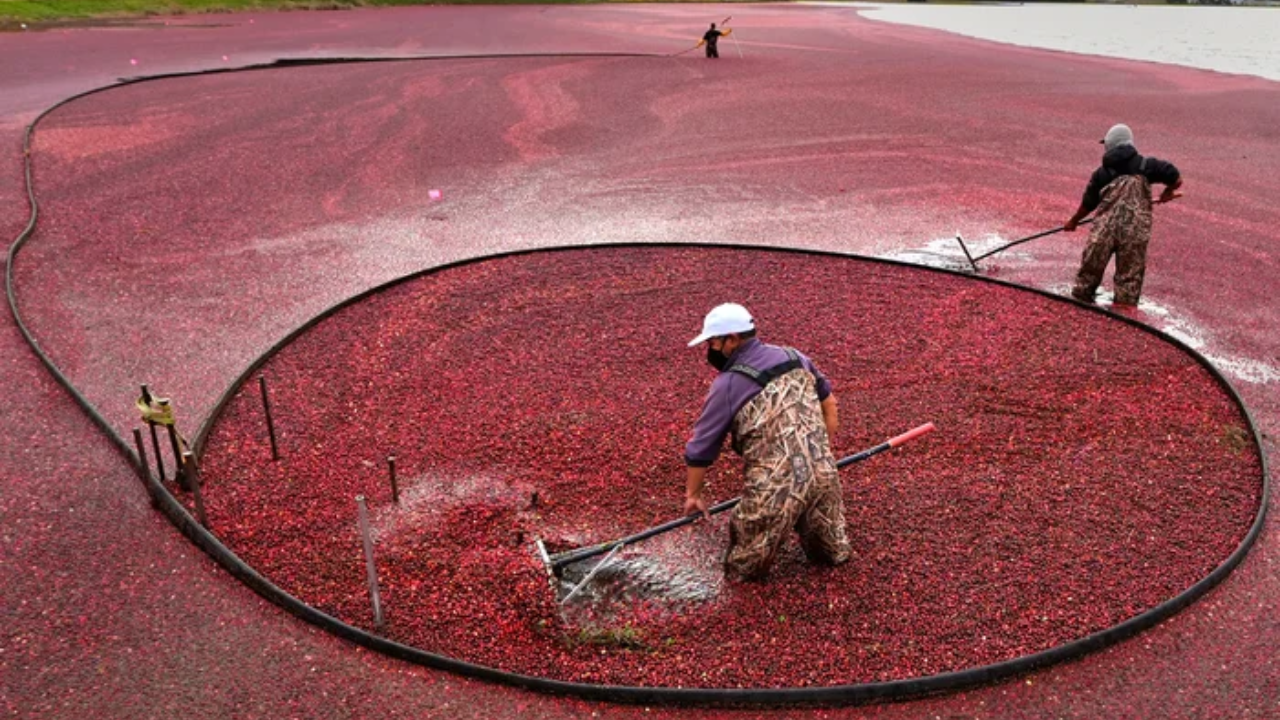
For generations, growers transformed natural wetlands into terraced production squares by clearing timber, stripping topsoil, and laying down inches of sharp sand. Every square acre required an intricate labyrinth of perimeter ditches, tail-water recovery ponds, and water control structures. Dams were erected across small coastal streams to create headwater reservoirs, ensuring growers could flood their vines during freezing winter nights and harvest seasons.
Water was currency. Control was absolute.
Yet, this absolute control required constant vigilance. Wooden flashboards rotted in concrete sluiceways. Earthen dikes settled, cracked, and leaked under the pressure of torrential rainstorms. When agricultural viability began to slip, these massive earthworks did not simply vanish. They remained in place, blocking fish passage, elevating water temperatures, and fragmenting aquatic habitats across watersheds that once pulsed with migratory alewife and brook trout.
When Concrete Meets Sediment
Dismantling a dam sounds simple on paper. In practice, it is high-stakes hydraulic surgery.
Behind every old structure lies decades of accumulated fine sediment, choked with organic matter and smothered by low oxygen levels. When engineers notch a dam or pull flashboards for the final time, thousands of cubic yards of muck are suddenly mobilized by the freed current.
Downstream channels can experience heavy siltation events that suffocate macroinvertebrate populations if mitigation is handled poorly. Project managers must manage this sediment load carefully, often relying on natural deposition zones or mechanical dredging before the river is allowed to carve its own channel through the exposed basin.
The physical transformation is rapid. Within months of the 2018 removal in Plymouth, water velocities increased, dissolved oxygen levels stabilized, and river herring pushed past historical barriers for the first time in over a century. Yet, the ecosystem does not immediately revert to a pristine pre-colonial state. Instead, it enters a volatile transition phase. Reed canary grass and invasive phragmites often rush into the newly exposed soil, requiring aggressive manual eradication by conservation crews who spend years planting plugs of native sedges and saplings.
The Economics of Abandonment
Nature may abhor a vacuum, but the agricultural economy abhors unprofitability even more.
The Massachusetts cranberry industry faces immense structural headwinds. Wisconsin dominates national production through massive, flat-bed mechanized operations that dwarf the smaller, historically entrenched bogs of the Cape and the South Shore. Rising energy costs, stricter environmental regulations, and shifting consumer preferences have compressed profit margins to the point of extinction for family-owned operations.
When a bog goes bankrupt, the property often sits in tax limbo. County tax liens mount. Absentee owners lack the capital to restore the land, yet cannot afford to sell it for commercial development due to strict wetlands protection laws.
Conservation organizations and state agencies have stepped into this financial void, using public grants and private philanthropy to buy out struggling growers. But acquisition is only the first expense. Restoring a single decommissioned bog—removing dams, filling drainage ditches, breaking up clay sub-layers, and replanting native species—can cost millions of dollars. Municipalities often inherit these sites when owners walk away, leaving local taxpayers holding the bill for neglected infrastructure that threatens nearby roads and culverts during major storms.
Carbon Accounting Beneath the Muck
Beneath the drained sand lies an overlooked environmental variable: carbon.
When wetlands were converted to cranberry production decades ago, the exposed organic peat began to oxidize, releasing stored carbon dioxide into the atmosphere at high rates. Industrial bogs, despite their green appearance from a distance, function as net carbon emitters due to ongoing tillage, fertilizer application, and water drawdown cycles.
Restoring these sites to functional wetlands flips the carbon ledger. By re-saturating the peat and re-establishing anaerobic conditions, restoration teams halt the oxidation process. Microbes slow their consumption of dead organic matter. Within a few years after dam removal, the recovering swamp transitions back into an effective carbon sink, locking away greenhouse gases in thick layers of accumulating muck.
This climate benefit is rarely factored into traditional agricultural accounting, yet it provides a powerful justification for state and federal agencies willing to fund expensive restoration projects. Water storage capacity is another silent dividend. Re-wetted floodplains act as giant sponges during extreme weather events, absorbing millions of gallons of storm runoff and protecting downstream coastal communities from catastrophic flooding.
Resistance from the Roots Up
Not everyone celebrates the return of the wild.
Generations of local residents grew up skating on winter flood ponds and picking berries alongside family members whose identity was tied to the harvest. To many, a re-wetted bog is not a triumph of conservation, but an abandonment of heritage.
Property owners adjacent to decommissioned bogs also voice pragmatic anxieties. Rising water tables can flood basement foundations or compromise septic systems. Mosquito populations, once strictly managed by chemical applications and water level fluctuations during the growing season, can surge in the stagnant pools of a newly breached wetland before predators like dragonflies and amphibians establish a natural balance.
Local historical commissions frequently clash with environmental groups over the fate of century-old flumes, spillways, and stone masonry. While ecologists see obsolete hazards blocking fish runs, historians view the same structures as irreplaceable artifacts of early American industrial ingenuity. Compromises are difficult to forge when one side wants to erase the built environment to restore a river, and the other wants to preserve the concrete skeletons of a fading rural economy.
The water continues to carve its new path through the abandoned earth. Old concrete foundations crack under the persistent pressure of unchecked currents, while young Atlantic white cedars root firmly in the rich sediment of a forgotten past. The transformation is irreversible, echoing across watersheds long after the heavy machinery has packed up and moved on to the next failing dam.