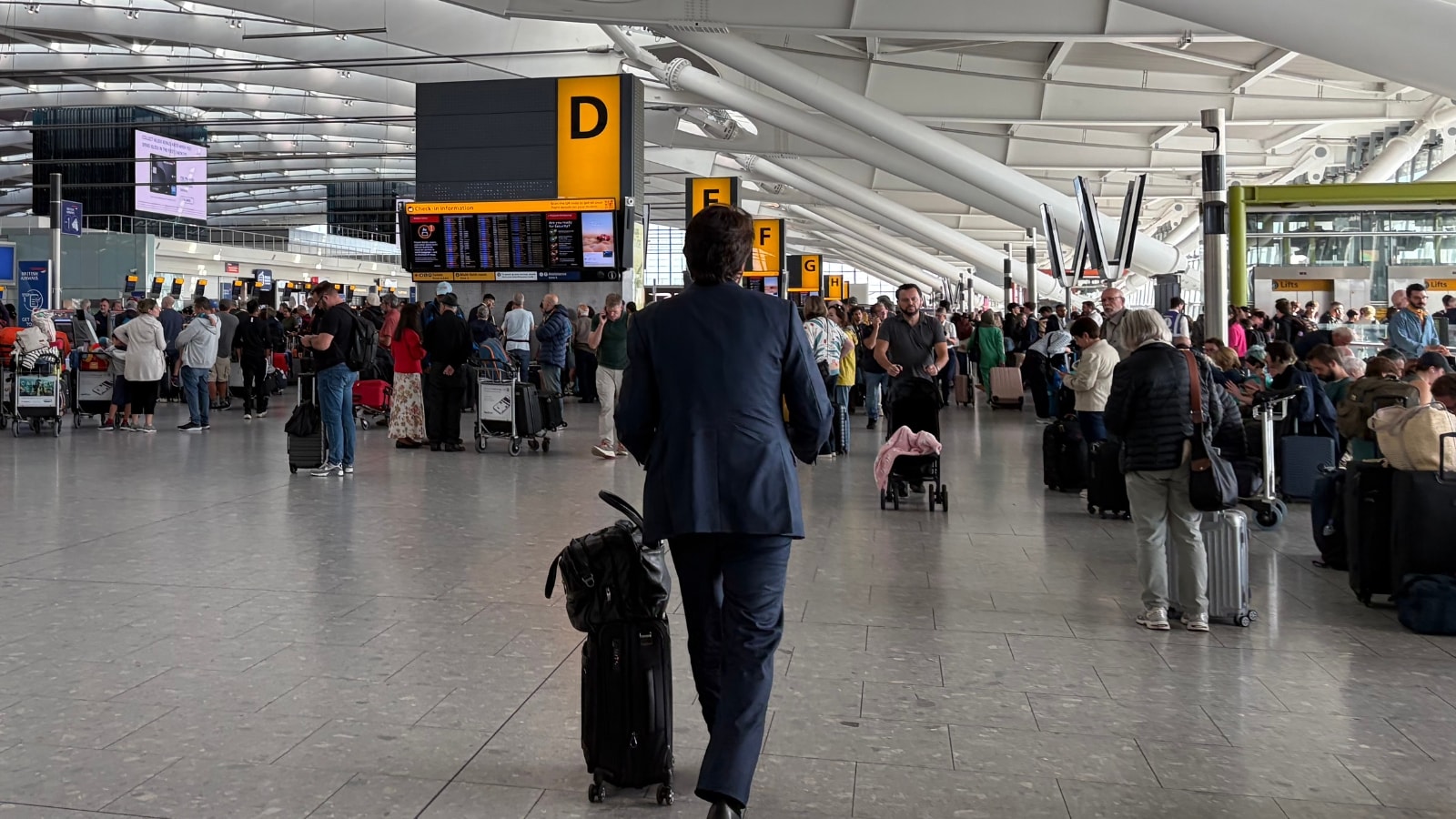
When the flight data processing system at the National Air Traffic Services control center in Swanwick flatlined, it did not just freeze screens across the United Kingdom. It exposed an aviation network operating on borrowed time.
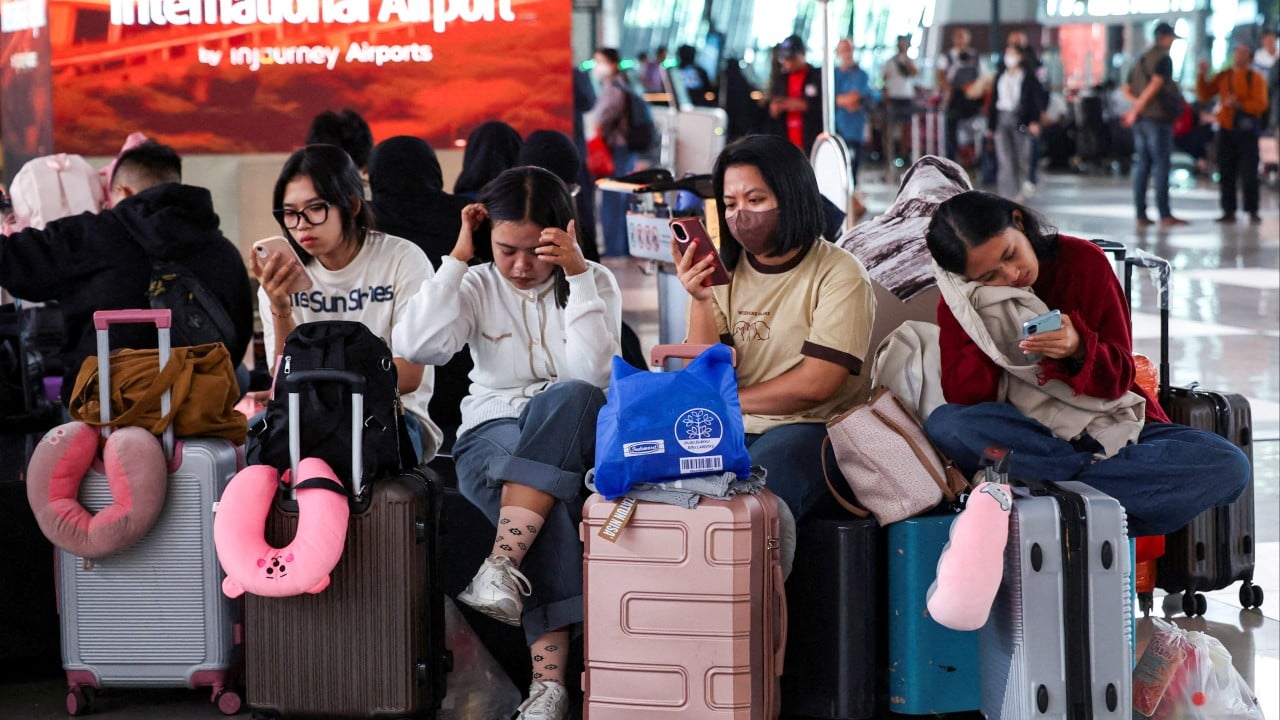
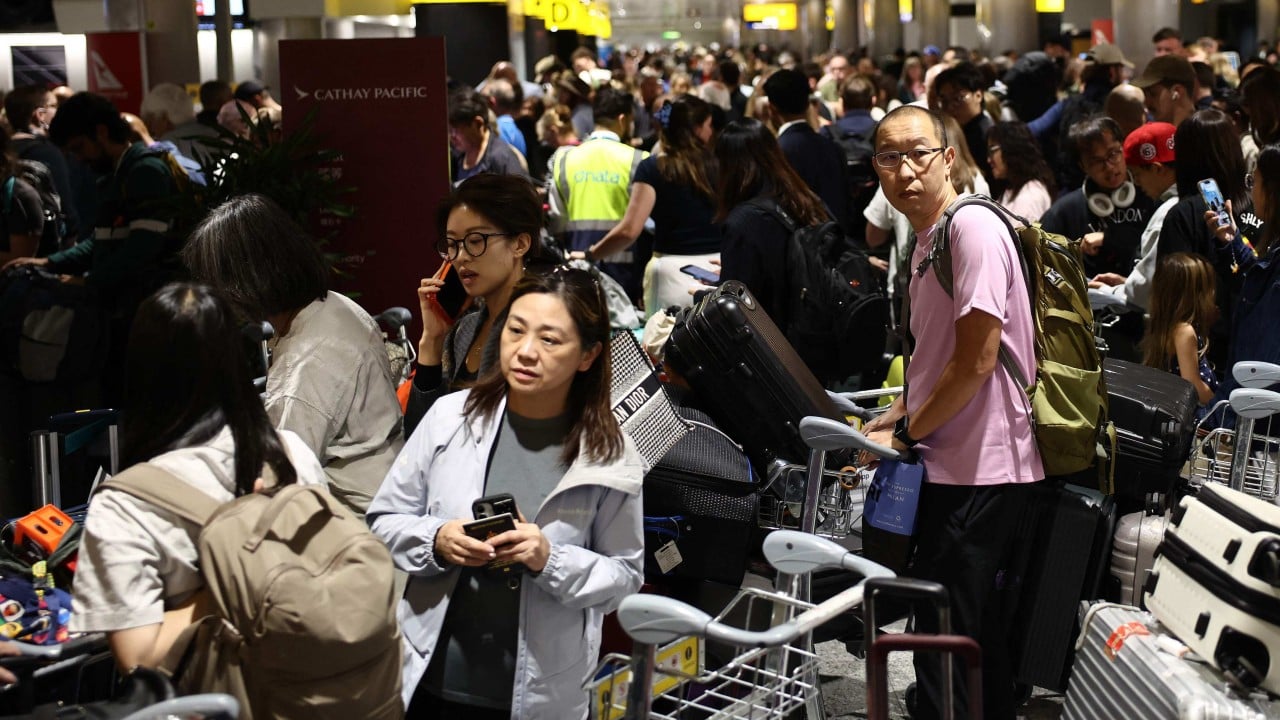
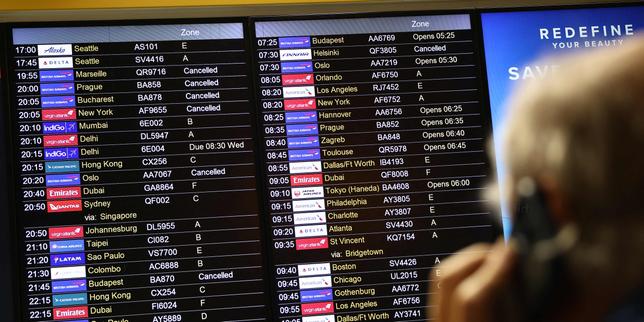
Hundreds of flights were canceled, tens of thousands of passengers found themselves stranded in departure terminals from Heathrow to Edinburgh, and airline executives once again screamed into the void for executive resignations. This was not an isolated act of bad luck. It marks the third major infrastructure breakdown to paralyze British airspace in as many years.
Every time a critical national infrastructure provider stumbles, corporate leadership offers the exact same boilerplate apology. They claim safety was never compromised. They point out that engineers deployed a fix. They promise that normal operations will resume shortly.
What they fail to mention is that the architecture keeping planes apart in one of the world's most congested skies is fundamentally too brittle to survive modern demand.
Modern air traffic management relies on a delicate balance of automated flight plan parsing, radar data synchronization, and real-time handoffs between international sectors. When the software core encounters an anomaly it cannot digest, it retreats into safe mode. When it enters safe mode, human controllers must suddenly step in to manage manual separations at a scale the pre-digital era never demanded.
Human eyes and manual radio inputs cannot match the volume of modern flight schedules. The moment automation drops offline, the airspace must instantly constrict. Capacity throttles down to a fraction of normal throughput.
Planes that have already pushed back from distant gates find themselves stranded on taxiways because destination airports have run out of vacant tarmac space. Arriving aircraft circle overhead burning expensive fuel until reserves force diversions to continental Europe.
The resulting chaos does not clear when the code is patched. Airline networks operate on hyper-optimized timetables where aircraft and flight crews fly multiple legs a day across different nations. A four-hour technical glitch in Swanwick triggers a domino effect that leaves crews stranded out of position, aircraft parked at the wrong terminals, and schedules shredded for forty-eight hours after the primary switch is flipped back on.
Commercial carriers absorb tens of millions of pounds in passenger compensation, hotel vouchers, and rebooking costs. Budget operators watch their margins evaporate. Passengers lose days of their lives waiting on sticky airport carpet for text updates that never arrive.
The Civil Aviation Authority will inevitably request a comprehensive internal report. Recommendations will be published, archived, and largely ignored until the next software panic.
Fixing this requires more than software updates. It requires rebuilding critical nodes with true isolation layers, redundant secondary architectures that do not share common baseline code, and structural funding models that prioritize deep modernization over endless patching.
Until network resilience matches airspace volume, every ticket booked out of a British airport remains a gamble against the next silent crash.