Two men rearrested in the UK on suspicion of assisting Iran over a suspected plot at a US-run air base didn't just trigger a fresh wave of counterterrorism scrutiny. They exposed how fast Tehran's espionage and sabotage operations are evolving on British soil.
Most coverage treats a rearrest like a routine procedural hiccup. Someone gets bailed, police gather more evidence, cuffs go back on. That reading misses the bigger picture. When British counterterrorism officers rearrested two men—a 24-year-old British national and a 25-year-old dual UK-Iranian national—under the National Security Act in October 2026 over the September incident near RAF Fairford in Gloucestershire, the shift in legal framing and operational context told a much sharper story. If you enjoyed this article, you might want to check out: this related article.
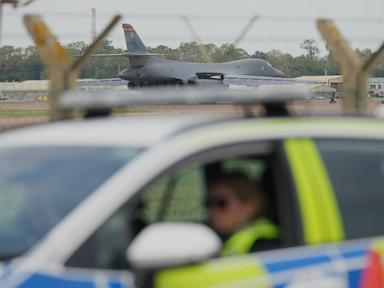
RAF Fairford isn't some sleepy corner of the English countryside right now. Heavy bombers have flown out of the base during the 2026 conflict involving Iran, turning a quiet rural Gloucestershire community into a high-stakes military hub. When police initially responded to suspicious vehicles in late September, evacuated nearby residents, and brought in bomb-disposal specialists, the immediate fear was an explosives plot. Investigators later reported finding petrol in vans linked to early suspects rather than finished explosives. Then came the October 20 rearrests, followed a week later by formal charges under the National Security Act and, in mid-November 2026, a major US federal indictment tying Iranian-backed operatives to plots including the RAF Fairford case.
Why Two Men Rearrested in the UK Signals a Bigger Shift
For years, Western intelligence agencies watched Iranian operatives focus heavily on dissidents, journalists, and opposition figures living abroad. That's still happening. It isn't the whole game anymore. For another look on this story, check out the recent coverage from TIME.
MI5 Director General Ken McCallum has warned that Tehran is pushing beyond traditional targets toward harder, higher-consequence objectives inside Britain, noting that more than 50 people have been arrested over Iran-linked plots over the past year. Rearresting two men on suspicion of assisting a foreign intelligence service shows authorities aren't treating late-September's events near RAF Fairford as isolated street-level mischief. They're treating it as part of a state-linked push against strategic military infrastructure.
Honestly, that's where a lot of armchair commentary gets tripped up. People hear "no explosives found in the vans" and assume the threat was amateurish or overblown. That's a mistake. You don't need a massive detonation to disrupt military operations.
Think about what actually happened after the scare at RAF Fairford. Residents were evacuated. Armed police and bomb squads locked down roads. Security posture tightened, and the US pulled bombers out of the base. Even without a completed blast, the operational friction—and the psychological message to allies—carries real weight. Analysts at the Combating Terrorism Center at West Point noted in November 2026 that disrupted plots against hardened targets like RAF Fairford can still hand state planners strategic and propaganda leverage if they force security shifts or withdrawals.
How Modern State Proxies Actually Operate
If you picture Cold War spies trading dead drops in rain-slicked alleys, update the mental picture. Today's foreign-backed plots often look messy, outsourced, and digitally coordinated.
Counterterrorism officials in the UK have pointed out a sobering reality in modern investigations: individuals can end up acting on behalf of a foreign state either knowingly or unknowingly, sometimes recruited through online channels or criminal middlemen rather than traditional intelligence career officers. According to the US Department of Justice indictment unsealed on November 10, 2026, prosecutors alleged that Iran-backed operatives coordinated plots across Europe and the United States—including the RAF Fairford plot—using remote direction, financing, and proxy networks.
Iranian officials have rejected accusations of involvement and argued that any base used in strikes against Iranian territory is a legitimate military target, while also claiming "false flag" dynamics. That tension—denial in public, deniable proxies in practice—is basically the signature move of gray-zone conflict.
What makes cases like this tricky for police and prosecutors isn't a lack of urgency. It's proof. Building a case that holds up in court under laws like Britain's National Security Act takes months of digital forensics, financial tracing, and cross-border coordination. Releasing suspects on bail while investigators examine phones, vehicles, and communications isn't a sign the case is falling apart. Often, it's how detectives let threads play out before moving back in.
What People Get Wrong About Bail and Rearrests
Whenever a high-profile security suspect gets bailed and later rearrested, social media fills up with two bad takes. One side claims police "let dangerous people walk." The other claims the initial arrest was baseless.
Neither take reflects how counterterrorism policing works in the UK.
- Bail isn't an acquittal. Police bail comes with strict conditions and keeps suspects under active investigation while forensic labs work through massive amounts of seized data.
- Rearrests reflect evolving intelligence. New evidence, linked inquiries, or fresh legal thresholds under national security legislation can justify bringing someone back into custody.
- Allegations aren't convictions. Even when charges are filed or grand jury indictments are announced, the legal process has to test every link in the chain before a court decides guilt.
In the RAF Fairford probe, police first made arrests in late September and early October 2026, then rearrested two men on October 20 under the National Security Act before announcing charges on October 27. That timeline shows an investigation tightening its focus rather than improvising.
Practical Steps If You Live or Work Near Sensitive Sites
Most of us won't ever cross paths with a state-backed espionage cell. Still, living near a military installation, transport hub, or critical infrastructure site during heightened geopolitical tension changes what "normal" looks like.
If you're near an affected area or following developments closely, a few grounded habits help:
- Rely on official updates during lock downs. Fast-moving security alerts spawn rumors within minutes. Check verified police channels like UK Counter Terrorism Policing and local emergency authorities rather than unverified social posts.
- Keep a simple grab-and-go bag ready. Evacuations around security incidents can happen quickly and last hours or days. Medications, chargers, ID, water, and a basic list of essential contacts are easy to keep packed.
- Report genuinely unusual activity without playing vigilante. British counterterrorism police routinely urge the public to report suspicious behavior via
gov.uk/ACTor the Anti-Terrorist Hotline (0800 789 321) and let trained officers assess the risk.
Watching how democracies handle these quiet, high-stakes cases matters just as much as tracking headline military strikes. The real test isn't whether police can react fast when a siren goes off—it's whether they can untangle complex foreign networks without losing precision or public trust along the way.