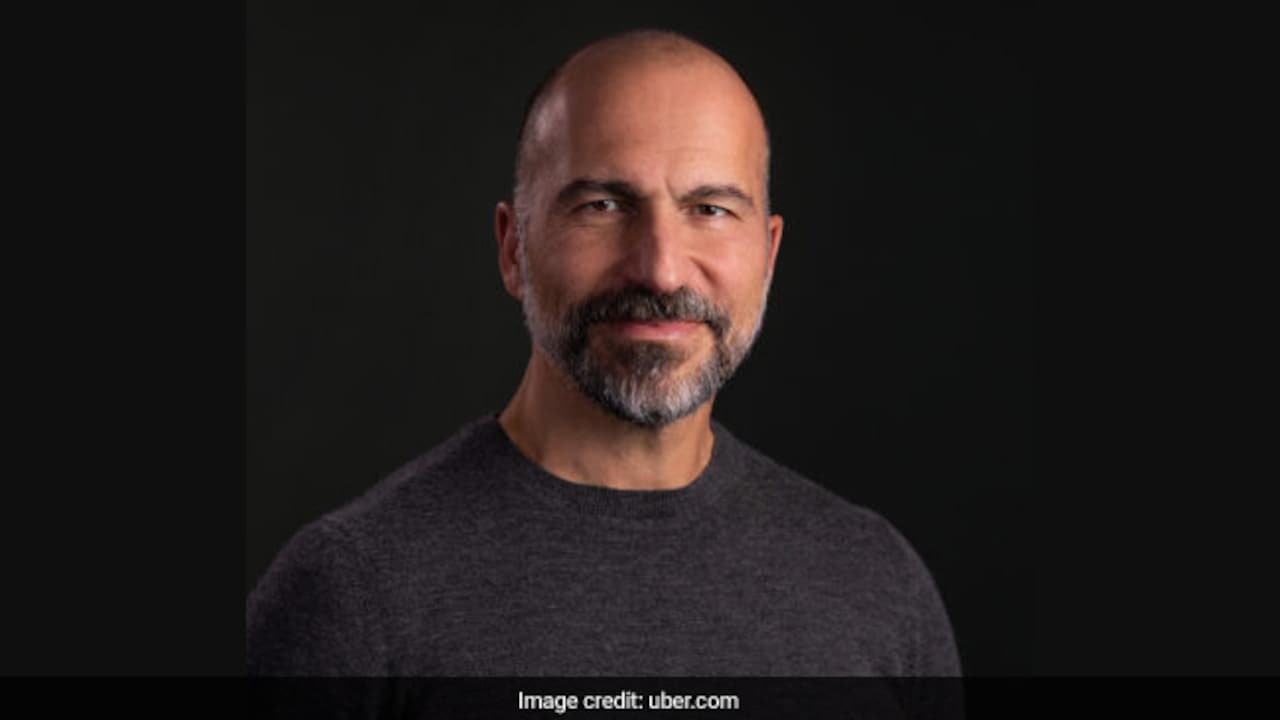
You open the ride-share app, wince at the surge pricing, and wonder if walking is faster. Uber wants you to stop closing the app. Following a massive corporate overhaul that eliminated roughly 3,300 jobs—about 10% of its global workforce—CEO Dara Khosrowshahi made a bold promise. He claimed that the massive savings from these layoffs, alongside dropping insurance costs, will be funneled directly into lowering ride prices for everyday users.
Corporate layoffs rarely benefit the consumer. Usually, they just pad profit margins and inflate stock prices while service quality tanks. But Uber is playing a different game right now. They're bloated, expensive, and facing fierce competition from rivals like DoorDash in delivery and an increasingly aggressive autonomous vehicle market. If you've been priced out of regular rides, understanding this shift matters.
The Strategy Behind The Slash
Let's look at why Uber pulled the trigger on these cuts. Khosrowshahi admitted something rare for a tech executive: the company made these moves from a position of strength, not desperation. Business is good. Revenue is stable. The problem wasn't a lack of money; it was organizational friction. Years of rapid expansion left Uber buried under layers of management, complicated team structures, and bloated overhead.
By cutting 3,300 corporate roles and flattening management by about 20%, Uber hopes to move faster. They also effectively ended remote work for most employees, forcing corporate staff back into offices. Strip away the corporate jargon, and the goal is simple: squeeze out waste so the core machine runs cheaper.
The cash saved isn't just sitting in a vault. Uber's management plans to use a barbell strategy. High-margin luxury options like Uber Black help subsidize the lower-cost end of the menu. Options like Wait & Save, which gives you a discount if you agree to wait an extra few minutes for a driver, are designed to pull budget-conscious travelers back onto the platform.
Where The Money Is Actually Going
Lowering fares sounds great for your wallet, but corporate promises deserve a healthy dose of skepticism. When tech giants talk about reinvesting savings, they're usually juggling multiple expensive priorities.
Part of that money is heading straight into the autonomous taxi race. Uber has poured billions into self-driving partnerships and autonomous vehicle infrastructure. Competitors are deploying robotaxis in major cities, and Uber cannot afford to get left behind. Funding the transition to driverless tech requires massive capital. If they can lower human-driver ride prices today while building out robotaxi fleets for tomorrow, they keep you locked into their ecosystem.
Insurance costs also play a massive role. Ride-share companies have bled cash for years due to skyrocketing commercial auto insurance rates. Finding relief on the insurance front, paired with the massive payroll reduction from the layoffs, gives Uber a rare financial buffer.
What This Means For Your Commute
If you're a regular rider, don't expect all rides to suddenly drop to pre-pandemic prices overnight. Pricing is dynamic, algorithmic, and hyper-local. A rainy Tuesday morning in a busy downtown core is still going to cost you.
However, you should look for subtle shifts in the app. Price sensitivity is real, and Uber knows that high fares drive users straight to public transit, competing ride apps, or bicycles. Expect to see more aggressive promotions, lower baseline fares on shared or delayed-pickup options, and tighter competition on standard trips.
Keep an eye on how these changes affect drivers, too. When corporate cuts prices to stimulate demand, drivers often worry about their per-trip take-home pay. A sustainable pricing model has to balance rider affordability with driver retention, and that equilibrium is notoriously difficult to maintain.
Watch your app closely over the coming months. Compare prices before you book. If Khosrowshahi's gamble pays off, your daily commute might finally get a little cheaper.