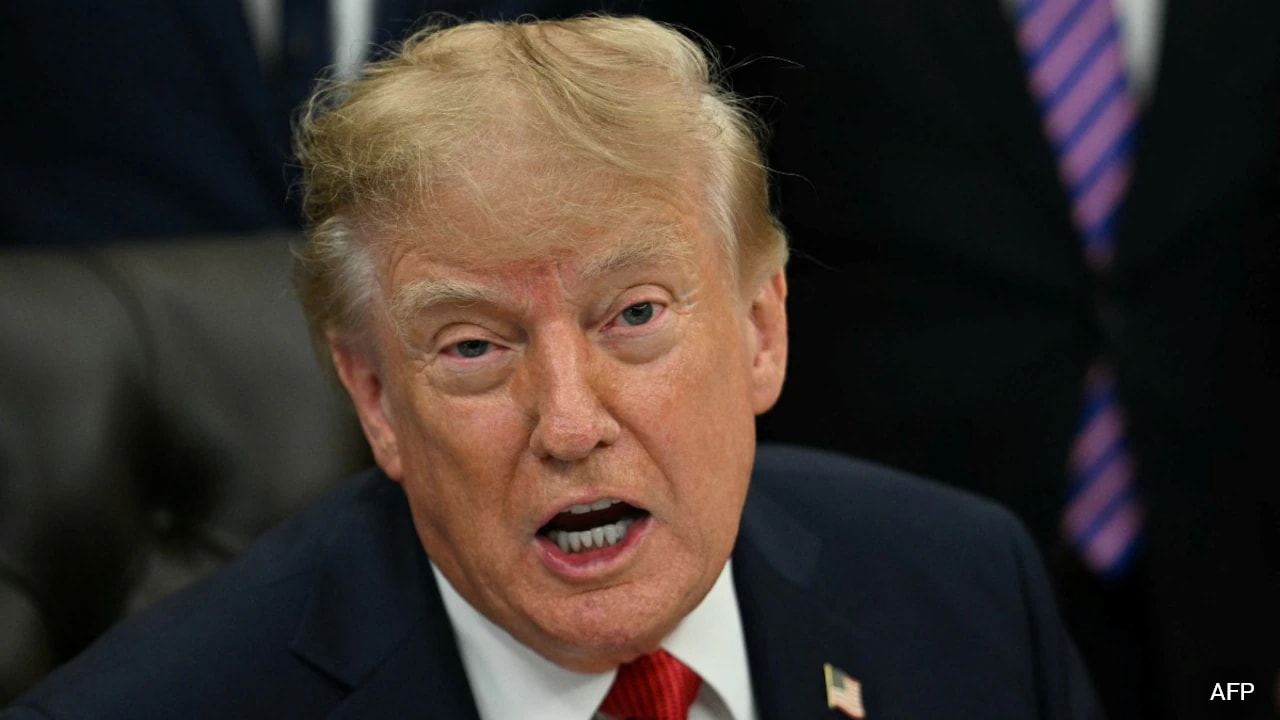
International trade policy rarely moves in a straight line, but the recent clash between Washington and New Delhi over energy imports feels particularly volatile. When President Donald Trump signed the Lindsey O. Graham Sanctioning Russia and Iran Act, the legislative text immediately put major buyers of Russian crude—specifically nations like India and China—in the crosshairs. The bill introduced the legal backing for steep, punitive tariffs of up to 100 percent on countries maintaining large-scale energy trade with Moscow. Yet, the practical reality of global energy markets quickly complicated these heavy-handed economic threats.
The Energy Realities Behind the Legislation
You can't simply legislate away global oil flows without breaking domestic economies. India has imported roughly 1.6 million barrels of Russian crude per day, leveraging heavily discounted prices to maintain internal stability. When Western sanctions isolated Moscow following the invasion of Ukraine, New Delhi didn't panic; instead, it acted in its own national interest by securing cheap barrels. Western officials frequently express frustration over this arrangement, arguing that these purchases indirectly fund military campaigns. For another look, consider: this related article.
Indian leadership countered with a blunt truth. Halting Russian crude imports overnight would trigger global supply shocks, sending domestic fuel prices soaring at home. For Washington, balancing geopolitical posturing against domestic inflation is an ongoing tightrope walk. Energy security trumps diplomatic pressure every single time, and policymakers in New Delhi know it.
The Waiver and the Shifting Political Chessboard
Legislation provides a big stick, but execution tells the real story. Although the newly signed law gave the White House the authority to slap 100 percent tariffs on Indian goods within thirty days, subsequent executive actions rolled back those immediate punitive measures. An executive order issued in mid-October waived key sanctions and potential tariffs tied to Russian exports, citing broader national interests and diplomatic maneuvers. Further insight on the subject has been shared by Business Insider.
This back-and-forth highlights a deeper lesson about engaging with Washington. Foreign capitals often focus entirely on the executive branch, forgetting that American domestic politics and institutional checks run deep. Trade committees, congressional dynamics, and upcoming midterm elections create shifting incentives that change how threats are applied. Relying on a temporary presidential waiver is dangerous strategy for any foreign trade ministry.
What This Means for Global Trade Strategy
If you're watching international commerce or managing supply chains, the takeaway is clear. Protectionist policy tools are here to stay, weaponized constantly as leverage for broader geopolitical alignment. Tariffs are no longer just about protecting local manufacturing; they are diplomatic weapons used to force compliance on foreign policy.
New Delhi will continue diversifying its diplomatic approach, engaging directly with US congressional leaders rather than relying solely on White House relations. Expect more friction, more sudden policy shifts, and a constant negotiation over energy corridors. The global trade architecture is fracturing into regional blocs, and economic pragmatism is winning out over ideological purity.
Map your supply chains, anticipate sudden regulatory pivots, and stop assuming bilateral trade deals are permanent.
India Warns US, Trump Signs Russia Sanctions Bill | Clears Way For 100% Tariffs On Oil
This video provides additional context on the diplomatic friction between Washington and New Delhi surrounding the implementation of the Russia sanctions legislation and the threat of steep tariffs.


