President Donald Trump announced in October 2026 that he intended to shut down Washington’s historic East Potomac Golf Links for 15 months starting November 15, turning a beloved public course into a championship venue built to host events like the US Open and the Ryder Cup. Weeks later, U.S. District Judge Ana Reyes stepped in and blocked the move, keeping the public park open while court battles over tree removals, seawalls, and federal authority dragged on.
A 15-month closure sounds clean on a social media post. In real life, shutting down a major public recreation spot on federal parkland near the White House triggers lawsuits, environmental pushback, and fights over who actually gets to reshape Washington. If you found value in this post, you might want to look at: this related article.
What Actually Happened With the East Potomac Closure Plan
Back in mid-October 2026, Trump posted online that East Potomac Golf Course would close for 15 months beginning November 15 so it could be rebuilt into what he called one of the best and most spectacular golf courses in the world. His pitch centered on remaking the layout into a single 18-hole championship course capable of staging major tournaments while still allowing public play.
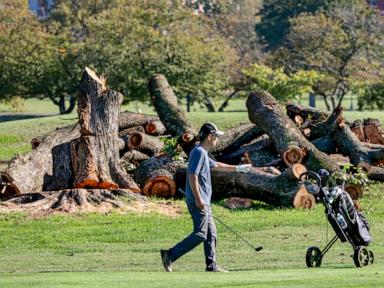
To support the overhaul, workers with the National Park Service had already cut down hundreds of trees, leaving wood chip piles along the grounds. Trump argued that the course was originally built with open sightlines and views of Washington, D.C., whereas now it had become overgrown and dysfunctional. Critics saw something very different—the loss of mature shade trees and public park space that regular D.C. golfers and park visitors rely on. For another perspective on this development, refer to the recent coverage from NBC News.
Then came the courtroom collision. Just days before the planned November 15 shutdown, Judge Ana Reyes issued a temporary order blocking the administration from moving forward with the redevelopment through November 28. Even after the Interior Department put out a pre-notice ahead of a planned November 30 solicitation for seawall work, the judicial pause kept the project on hold.
Why a Public Course Redesign Sparks Fierce Pushback
Honestly, golf renovations usually bore people unless they involve sky-high green fees or a famous architect. This one blew up because East Potomac sits on public park land in the nation’s capital, right in the middle of a broader push by Trump to reshape Washington landmarks—alongside plans for a memorial arch, a new White House ballroom, and changes at the Kennedy Center.
When you take a longstanding public golf course and talk about turning it into a championship showcase, everyday players start asking hard questions. Will tee times get scarcer? Will prices climb? Will casual locals get squeezed out by big-event ambitions? That tension is real in municipal golf everywhere, not just D.C.
There’s also a sharp legal and procedural clash playing out in court. According to reporting from the Associated Press and The Guardian, the litigation has featured tense exchanges between Judge Reyes and Justice Department attorneys, including scrutiny over whether the government’s earlier court filings—which described the rebuilding plan as preliminary thought with no final agency action—matched what was happening on the ground. When courtroom statements and public announcements seem out of sync, judges tend to hit pause.
Overgrown Views vs. Mature Shade Trees
People who have spent time on older public courses know there’s a genuine design debate underneath all the political noise. Over decades, unpruned trees can choke sightlines, crowd fairways, and make turf maintenance a headache. Clearing some vegetation can open up views and improve playing conditions.
At the same time, ripping out hundreds of mature trees on a public peninsula changes the character of the place overnight. Shade matters during muggy Washington summers, birds and wildlife use those canopies, and park advocates like senior legal adviser Catherine Carroll have warned that altering East Potomac Park risks taking away an irreplaceable public asset. You can’t simply glue a 60-year-old oak back together once it’s chipped.
What Golfers and D.C. Residents Should Do Right Now
If you play East Potomac or follow Washington park policy, don’t assume the gates are locked or that the dispute is settled. Legal orders in cases like this move week by week.
- Check current course status before you go: Because court injunctions and administrative notices have been shifting around mid-to-late November 2026, verify directly with official park and golf operations before driving over with your clubs.
- Watch the late-November court timeline: Pay attention to rulings around the November 28 order and any follow-up hearings on injunctions, appeals, or seawall solicitations.
- Read primary filings and reputable reporting: Follow outlets like the Associated Press and The Guardian to separate political rhetoric and social media claims from actual court orders.
- Make your voice heard through public channels: If you care about how public parkland is managed, track public comment opportunities and advocacy groups involved in D.C. park stewardship rather than relying on rumors.
You can watch coverage in the Trump announces 15-month East Potomac golf course shutdown video. This video is relevant because it highlights the initial announcement of the planned 15-month closure at East Potomac Golf Links that sparked the ongoing legal battle.