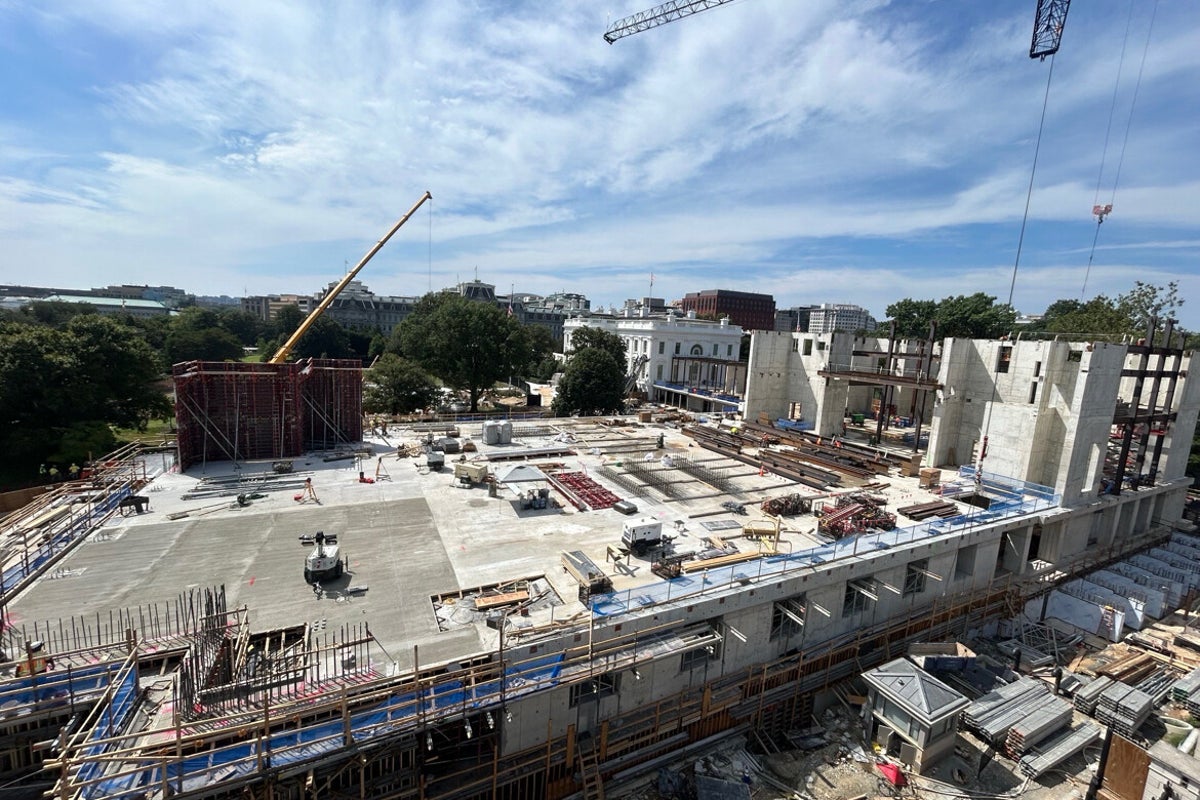
Donald Trump just secured another temporary victory in his relentless quest to reshape Washington. Chief Justice John Roberts signed an administrative stay allowing construction on the massive 90,000-square-foot White House ballroom to keep moving forward. For now, heavy machinery on the former East Wing site stays active, beating a midnight deadline that would have forced a grinding halt to the above-ground work.
If you have been following this saga, you know the core dispute isn't just about architectural aesthetics or fancy galas. It is a high-stakes constitutional collision over executive overreach, historical preservation, and federal property control.
The Battle Lines Behind the Four Hundred Million Dollar Project
The numbers attached to this renovation are staggering. The entire project carries a price tag expected to eclipse $400 million, funded heavily through private donations rather than direct congressional appropriations. Trump has repeatedly bragged that the build is currently sitting under budget and ahead of schedule.
Yet, the legal opposition led by the National Trust for Historic Preservation argues that the construction has plowed ahead illegally. Lower courts previously agreed with them, pointing out a glaring detail: the administration never received explicit authorization or funding from Congress to tear down the historic East Wing and build a massive ballroom.
Safety Bunkers Versus Banquet Halls
To bypass legislative roadblocks, the Trump administration changed its legal footing. Lawyers from the Justice Department argued that the ballroom project is deeply intertwined with a five-story underground military complex featuring bomb shelters, medical facilities, and robust structural defense systems.
The administration insists these additions are critical for presidential safety and national security. Critics counter that the White House is deliberately bundling an unauthorized party space with vital security infrastructure to force the courts into a corner. Preservationists warned the Supreme Court that the administration was trying to completely outrun judicial review by rushing construction to a point of no return, noting the site is already roughly 65 percent complete.
What Happens Next in the Legal Gridlock
The temporary stay issued by Chief Justice Roberts buys the high court breathing room to fully evaluate the Justice Department's emergency appeal. It does not mean Trump has won the war, but it keeps the cranes operating while the legal teams prepare their final arguments. Expect the administration to keep pushing forward at breakneck speed, betting that physical completion will ultimately render future court orders meaningless.