A 250-foot marble-and-gold monument designed to celebrate America's 250th anniversary is one thing. Turning that monument into an active tactical bunker packed with ammunition, snipers, and unmanned aircraft is something else entirely.
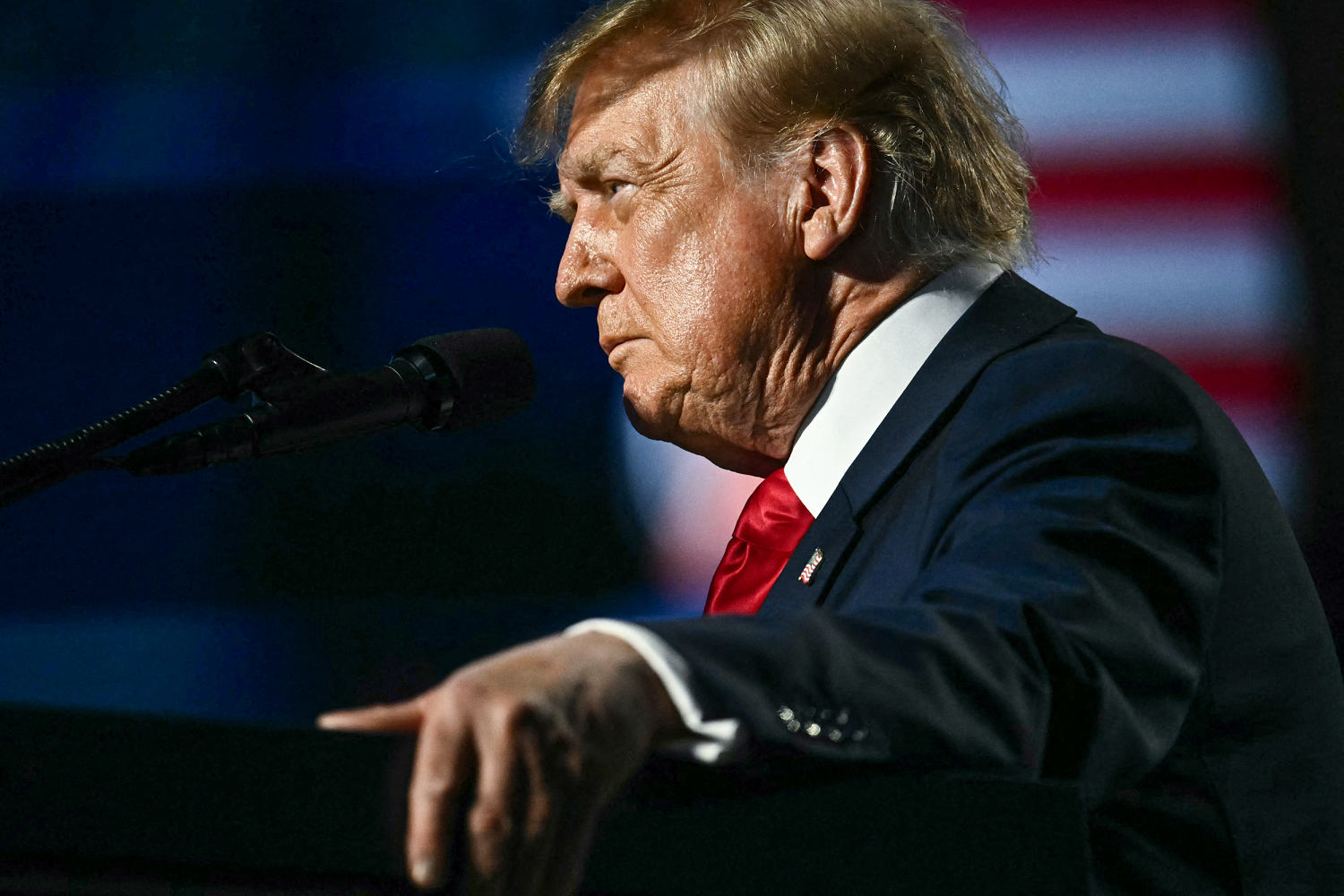
President Donald Trump announced on September 20, 2026, that his planned triumphal arch—slated for Memorial Circle between the Lincoln Memorial and Arlington National Cemetery—will double as a "top grade military complex" capable of hosting drones, stationing snipers, and storing large quantities of ammunition. According to reporting from the Associated Press and Reuters, this revelation marked a sharp departure from the purely commemorative plans previously reviewed by federal planning agencies. In other news, we also covered: Stop Calling Preventable Drownings Tragic Accidents When Municipal Negligence Pulls The Trigger.
Honestly, the shift changes the entire conversation around Washington, D.C.'s newest architectural fight. What started as a debate over aesthetics, scale, and ego has suddenly become a dispute over national security, aviation safety, and constitutional oversight.
What Changed in the Proposed Arch Plans
When Trump first showed off scale models of the arch in the Oval Office back in October 2025, the pitch was straightforward. It was framed as a massive, Paris-style triumphal monument—quickly dubbed the "Arc de Trump" by media outlets—to mark 250 years of American independence. When CBS News reporter Ed O'Keefe asked in October 2025 who the monument was for, Trump famously replied, "Me". The New York Times has provided coverage on this important subject in extensive detail.
By late 2026, the messaging evolved dramatically.
In September 2026, Trump told reporters that the 76-meter structure wouldn't just sit across the Potomac River looking grand. Instead, he described it as a functional defense installation housing snipers, drone operations, and munitions stockpiles right next to the Arlington Memorial Bridge. Then, around Veterans Day in November 2026, Trump and a newly unveiled White House website reframed the project again—calling it the "United States Military Triumphal Arch" and asserting that veterans and the armed forces had been waiting for such a tribute for 200 years.
This dual identity creates massive friction. You can't easily reconcile a solemn memorial overlooking veteran graves with a live munitions depot.
The Location and National Security Problem
To understand why military planners, local lawmakers, and aviation experts raised immediate alarms, you have to look at a map of the capital. Memorial Circle sits at the western end of the Arlington Memorial Bridge, directly linking the National Mall to the entrance of Arlington National Cemetery.
Putting an active military complex there creates three distinct headaches:
- Commercial Aviation Proximity: Rep. Don Beyer, the Democratic congressman representing Northern Virginia, pointed out that the site sits directly in the flight path and restricted airspace near Ronald Reagan Washington National Airport. Launching or housing military drones just yards from one of the busiest commercial corridors in the country introduces severe airspace coordination risks.
- Target Concentration: Security critics and defense observers have noted that placing an ammunition cache and tactical outpost inside a 250-foot landmark turns a symbolic tourist site into a high-value military target in the heart of the capital.
- Architectural Overreach: At 250 feet tall, the arch towers over the surrounding landscape—dwarfing the nearby Lincoln Memorial. Architects who initially supported the idea of a modest commemorative arch, including figures cited in The Washington Post and Wikipedia's historical record of the project, turned against the proposal once Trump selected the largest, most imposing design.
Lawsuits and Legal Roadblocks Piling Up
The shift toward a militarized monument happened while the project was already drowning in litigation. As of November 2026, at least four separate lawsuits are actively trying to stop the arch before permanent construction takes hold.
The legal pushback comes from multiple directions at once:
- Federal Oversight Challenges: A lawsuit filed in February 2026 argued that the administration began site surveying and excavation prep without securing mandatory authorization from the United States Congress.
- State and Municipal Suits: In October 2026, the attorneys general for both Virginia and Washington, D.C., sued in federal court to block construction. Their filings argue that breaking ground at Memorial Circle will snarl commuter traffic across the Potomac, dump stormwater runoff and pollution into the river, and disrupt emergency response routes.
- The Kennedy Family Intervention: On November 10, 2026, nine members of the Kennedy family joined the federal lawsuit. They argue that a 250-foot gilded structure will permanently diminish and "cast a shadow" over President John F. Kennedy's eternal flame gravesite and nearby family memorials inside Arlington National Cemetery.
Even though the National Capital Planning Commission and the Interior Department granted approvals in November 2026, a federal judge stepped in that same month to temporarily block construction while these challenges play out. Meanwhile, Justice Department lawyers acknowledged in court filings that the arch wouldn't even be finished until after Trump leaves office.
What It Means for Washington's Monumental Core
Trump's arch doesn't exist in a vacuum. It sits alongside a broader campaign to reshape federal landmarks across Washington, D.C.—including the demolition of the White House East Wing for a massive ballroom, renovations to the Reflecting Pool, a contentious naming battle over the Kennedy Center, and plans to overhaul a historic public golf course.
Supporters of the arch, including architectural traditionalists like University of Notre Dame professor Duncan G. Stroik, have previously argued that Memorial Circle is an underutilized traffic rotary worthy of a grand classical monument. Trump himself has defended the $100 million-scale effort by framing it as a tribute to the service members buried at Arlington, where buglers play "Taps" up to 30 times a day.
Critics—including retired military officers who called the Arlington-adjacent project a "sacrilege" in interviews with PBS News—see something very different. Adding sniper nests, drone bays, and ammunition storage to a civilian traffic circle bypasses standard Pentagon basing reviews while fundamentally altering the peaceful character of the National Mall's western gateway.
How to Track the Arch Project and Legal Battle
If you're following how this fight affects D.C. infrastructure, federal spending, or military basing rules, skip the cable news spin and watch the primary records directly:
- Monitor Federal Court Dockets: Track the consolidated federal district court rulings in Washington, D.C., regarding the injunctions brought by D.C., Virginia, and the Kennedy family—specifically whether judges rule that militarizing the structure requires fresh environmental and National Capital Planning Commission reviews.
- Check Congressional Appropriations Bills: Watch upcoming House and Senate defense and interior spending bills for language barring federal funds from being used on unapproved monumental construction or ammunition storage at Memorial Circle.
- Review FAA Airspace Notices: Keep an eye on Federal Aviation Administration (FAA) advisories around Ronald Reagan Washington National Airport (DCA) for any proposed changes to restricted flight zones tied to drone operations near the Potomac.
For further details on the initial announcement, you can watch the report on how Trump says planned triumphal arch will house drones, snipers. This broadcast clip provides direct footage of the president outlining the military capabilities intended for the proposed Washington monument.