Just when it looked like the U.S. and Iran were on the verge of a historic breakthrough, the entire Middle East strategy shifted in a single heartbeat.
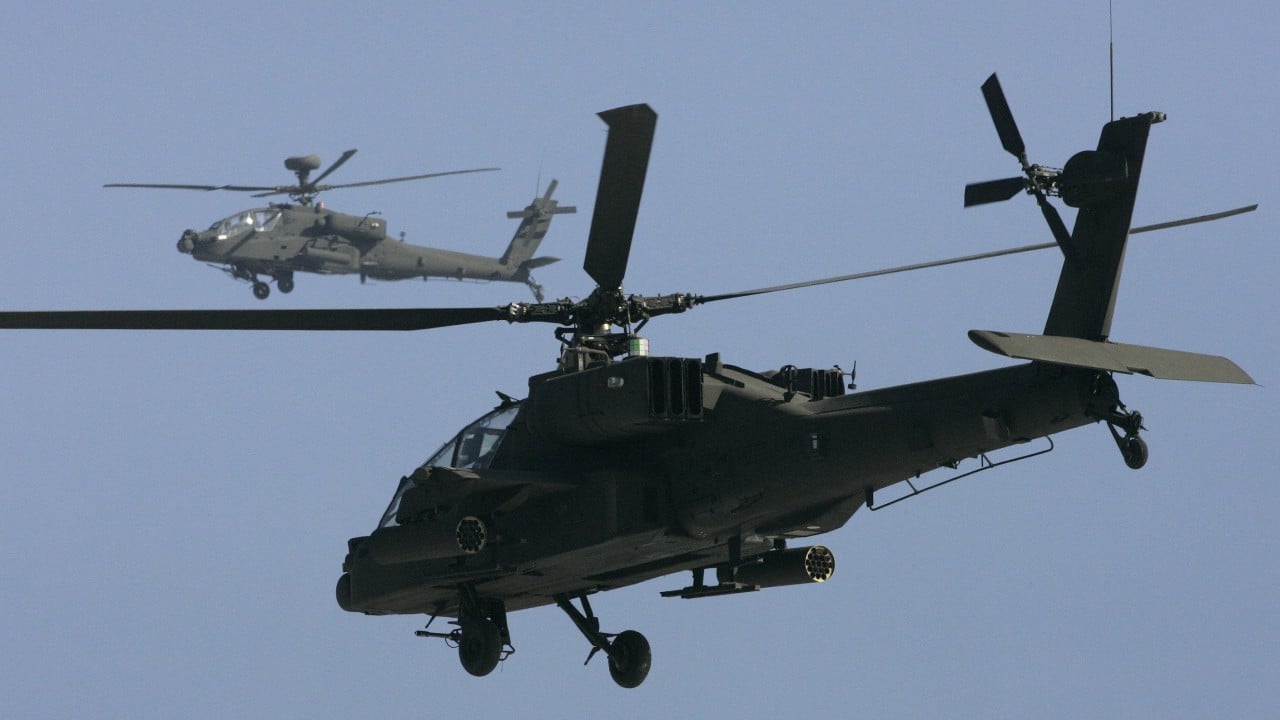
President Donald Trump completely blindsided diplomats by announcing that Iranian forces shot down an American AH-64 Apache helicopter patrolling near the strategic Strait of Hormuz. In a fiery post on Truth Social, Trump didn't mince words. He declared that the U.S. "must, of necessity, respond to this attack."
This sudden escalation comes at the absolute worst time. Only hours before the crash, Trump was publicly bragging that a peace deal with Tehran was in its final throes and could be signed within two or three days. Now? Those delicate negotiations are hanging by a thread. If you want to understand how a single helicopter incident can derail global diplomacy, you have to look at the massive gap between what the White House is saying and what the military is actually confirming.
The Fog of War in the Strait of Hormuz
Here is what we actually know about the incident. The Apache gunship went down around 3:30 a.m. local time off the coast of Oman. The regional waters are incredibly tense right now because the U.S. military uses these exact helicopters to enforce a strict blockade on Iranian crude oil shipments.
While Trump immediately blamed Tehran for the crash, U.S. Central Command (CENTCOM) is playing its cards much closer to the chest. Military officials confirmed the crash and stated an investigation is underway, but they pointedly refused to validate Trump’s claim of hostile fire.
According to intelligence leaks, an Iranian drone was spotted in the immediate vicinity of the Apache before it went down. Two U.S. officials noted that while a drone appears to have played a role in the crash, it remains entirely unclear whether it was a deliberate kamikaze attack, electronic warfare, or just a catastrophic mid-air accident.
Iranian Foreign Minister Abbas Araghchi fired back on social media with a snarky warning rather than a flat denial. He suggested that foreign troops in proximity to Iranian territory are always at risk from "human errors, plain accidents, or potentially being caught in crossfire." His advice to Washington? Pack up and leave.
A Historic First in Military Rescue Tech
If there is any good news in this mess, it is that the two American pilots survived. In fact, their rescue marks a massive milestone in modern warfare.
The aviators spent roughly two hours bobbing in the water before being pulled out. They weren't saved by a traditional search-and-rescue team. Instead, CENTCOM deployed an autonomous drone boat called the Corsair.
Operated under the Navy's Task Force 59—a specialized unit focused on integrating artificial intelligence into maritime operations—the 24-foot unmanned vessel located the pilots, hauled them out of the water, and transported them to a safe location where they were later hoisted onto a transport helicopter. Capt. Tim Hawkins confirmed it was the first known autonomous drone rescue at sea in U.S. military history.
The High Cost of the Hidden Air War
While the White House tries to figure out its next move, this downing highlights a brutal reality. The U.S. is losing a lot of hardware in this undeclared conflict.
A recent report from the Congressional Research Service reveals that American military equipment losses have quietly mounted since full-scale regional tensions flared up in late February. The Pentagon has already lost:
- 5 advanced fighter jets
- 7 KC-135 Stratotanker refueling aircraft
- 1 dedicated search-and-rescue helicopter
- Well over two dozen surveillance and strike drones
The U.S. cannot simply absorb these losses indefinitely without hitting back, which explains Trump's aggressive rhetoric. He noted that the U.S. could easily spend two or three weeks bombing Iran until they have "nothing left whatsoever." But doing so would instantly shut down the Strait of Hormuz for months, sending global energy prices into an absolute tailspin.
What Happens Next to Your Wallet and Global Security
The real danger here is structural. The global economy is already reeling from the ongoing friction between Israel and Iran, which has driven up food costs and tanked stock market stability.
If Trump follows through on his threat to respond militarily, expect an immediate spike in oil prices. The Strait of Hormuz is the world's most critical oil transit chokepoint. If it closes, global shipping lanes freeze.
For everyday citizens, the immediate next steps aren't about military strategy; they are about economic defense. Keep a close eye on the Brent Crude index over the next 48 hours. If it spikes past key resistance levels, energy costs and transport fees will jump, meaning you should lock in travel costs or logistics contracts now before inflation takes another bite out of the market. Watch the diplomatic channels. If Trump completely stops talking about the peace deal by the weekend, the risk of a major regional air campaign skyrockets.


:max_bytes(150000):strip_icc():focal(665x0:667x2)/gettyimages-50733149-2000-8b129a2475974982a915418ce92a73d8.jpg)