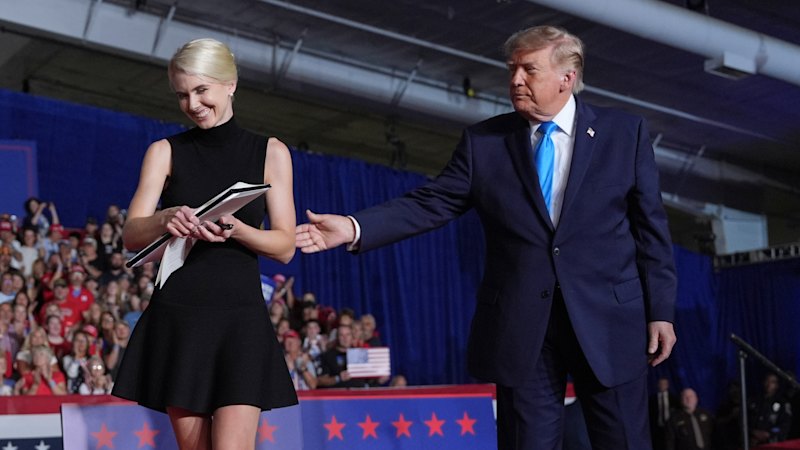
High fuel prices cost elections. President Donald Trump knows this rule better than almost anyone in modern politics. When diesel prices spiked past six dollars a gallon following supply disruptions in the Middle East and attacks on global refineries, the White House faced immediate pressure from truckers and agricultural producers.
To blunt voter anger ahead of the November midterms, Trump signed an executive order temporarily allowing highway vehicles to run on tax-free, red-dyed diesel. It is a high-stakes policy maneuver designed to inject immediate cash into rural economies and supply chains. But it also creates a massive administrative scramble for state regulators and opens up a fresh line of attack for the opposition.
The Mechanics of the Dyed Diesel Order
Normally, red-dyed diesel is strictly reserved for off-road machinery like farm tractors, construction equipment, and generators. Because it escapes the federal highway excise tax of 24.4 cents per gallon—and various state-level road taxes—law enforcement uses the crimson dye to catch highway vehicles trying to dodge road maintenance fees.
Trump's executive order changes the rules temporarily through the end of the year. It waives penalties for highway use, defers federal tax payments, and encourages states to follow suit by suspending their own local penalties. For an independent trucker filling a 250-gallon tank, the federal savings alone amount to about sixty dollars, scaling up past one hundred dollars when state taxes are waived.
During peak harvest season, those savings matter to farmers who rely heavily on diesel-powered combines and transport trucks. Producers watching input costs eat into their margins welcomed the reprieve with open arms.
Political Timing and Midterm Pressures
You don't need a degree in political science to spot the electoral calculation here. Announced during a campaign stop in Nebraska—where vulnerable incumbent Republicans face stiff challenges—the timing is transparent. Inflation and high living costs remain the dominant voter grievances.
Voters standing at the pump care little about complex geopolitical supply crunches involving the Strait of Hormuz or foreign refinery strikes; they care about the numbers flashing on the gas station sign. By shifting policy levers to drop fuel prices instantly, the administration aims to convince working-class voters that Republicans are actively fighting consumer pain.
Critics argue the move is a short-term sugar rush that ignores structural energy realities. Democratic lawmakers and rival policy analysts point out that waiving taxes does nothing to fix actual supply deficits or boost global refining capacity. They contend that draining highway trust funds by deferring fuel taxes will eventually leave a massive bill for infrastructure maintenance down the road.
What Happens Next on the Highway
States are currently a patchwork of compliance rules. While governors in agricultural states like Iowa and South Dakota moved quickly to waive local penalties on dyed diesel, drivers crossing state lines face confusing enforcement discrepancies. The IRS issued guidance confirming it will not levy penalties for highway use through December 31, but local state troopers still hold jurisdiction over state-level tax codes.
This policy will expire right as the new legislative session begins, setting up a sharp fight in Congress over whether to extend the tax holiday or let normal highway levies snap back into place. For now, truckers and farmers are taking the savings while they can, hoping long-term supply stabilization catches up before the temporary waivers run dry.
Trump Eases Dyed Diesel Limits in Lowering Fuel Costs
This video provides a broadcast news report on the administration's decision to ease restrictions on dyed diesel to lower fuel expenses for commercial drivers and agricultural producers.