You walk into the grocery store, stare at the meat aisle, and wonder why a pack of ground beef costs as much as a tank of gas used to. Food inflation is burning holes in household budgets. To fix it, the White House decided to slash tariffs and let 661 million pounds of foreign beef flood the U.S. market at discounted prices.
Smart consumer relief? Absolutely. A political disaster in cattle country? You bet.
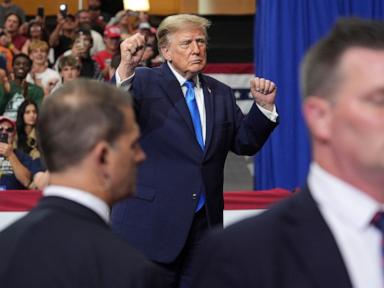
When President Donald Trump touched down in Nebraska for a high-stakes midterm campaign rally, he didn't land in friendly territory on every front. Nebraska cattle producers and Republican lawmakers found themselves locked in a fierce public disagreement with the administration over trade policies designed to bring down grocery bills. If you want to understand why rural America is fuming while Washington tries to appease suburban shoppers, you have to look at the math behind the American cattle herd.
The Shrinking Herd and the Price Crunch
Let's look at the numbers. U.S. beef prices skyrocketed from an average of $4.47 per pound back in August 2021 to a punishing $6.92 per pound by August 2026. Families are hurting. Voters are mad. Politicians want a quick fix before the midterm elections.
The administration's solution was to waive higher tariffs on roughly 300,000 metric tons of imported beef, promising it would hit supermarket shelves at 25 percent below current market rates.
Ranchers aren't buying the justification. Nebraska's cattle industry is a multibillion-dollar economic engine where a bad policy hits hard and fast. Local producers argue that opening the floodgates to foreign beef undercuts domestic livelihoods precisely when herd sizes are sitting at historically low levels. Senators like Deb Fischer and Pete Ricketts voiced sharp opposition, pointing out that short-term relief measures do nothing to solve the root problem.
The root problem is simple. There just aren't enough cows. Drought, high feed costs, and years of liquidation forced ranchers to shrink their herds dramatically. Dumping foreign meat into the supply chain doesn't help a rancher rebuild; it pulls the rug out from under them right when they're trying to break even.
The Political Trap in America's Heartland
Politics hates a vacuum, and agricultural policy is filling that vacuum with intense friction. In Nebraska's competitive congressional districts, candidates are caught in a brutal crossfire. They need the rural vote, but they also have to address urban voters screaming about the cost of living.
Trump's rally in Grand Island aimed to rally the base by signing executive orders to ease diesel restrictions and pitch economic relief. Yet, the tension over meat imports exposed a deep ideological split within the conservative coalition. On one side, you have populist pressure to lower prices at any cost for everyday consumers. On the other side, you have foundational agricultural advocates who believe true food security means protecting domestic producers from foreign dependency.
Critics of the import plan argue that relying on overseas meat compromises the long-term safety and stability of the food supply chain. Meanwhile, industry groups like R-CALF USA have doubled down on pushing transparency, supporting the "Product of USA" labeling initiative so consumers can deliberately choose to back local ranchers with their wallets.
What Happens Next for Beef Prices and Producers
You can't wave a magic wand and instantly grow a cattle herd. Biological timelines don't care about election cycles. It takes years to breed, raise, and finish a marketable steer.
Lowering tariffs might offer temporary relief at the checkout counter, but it risks driving independent family farms out of business. If smaller ranches go under, consolidation accelerates, leaving meat production in the hands of even fewer mega-corporations. That doesn't lower prices long-term. It builds a monopoly.
If you're tracking how food policy impacts your grocery bill, watch how local producers adapt. Support regional processing initiatives if you want a resilient food system. Pay attention to labels. The clash in Nebraska is just the opening salvo in a nationwide fight over who controls what ends up on your plate.