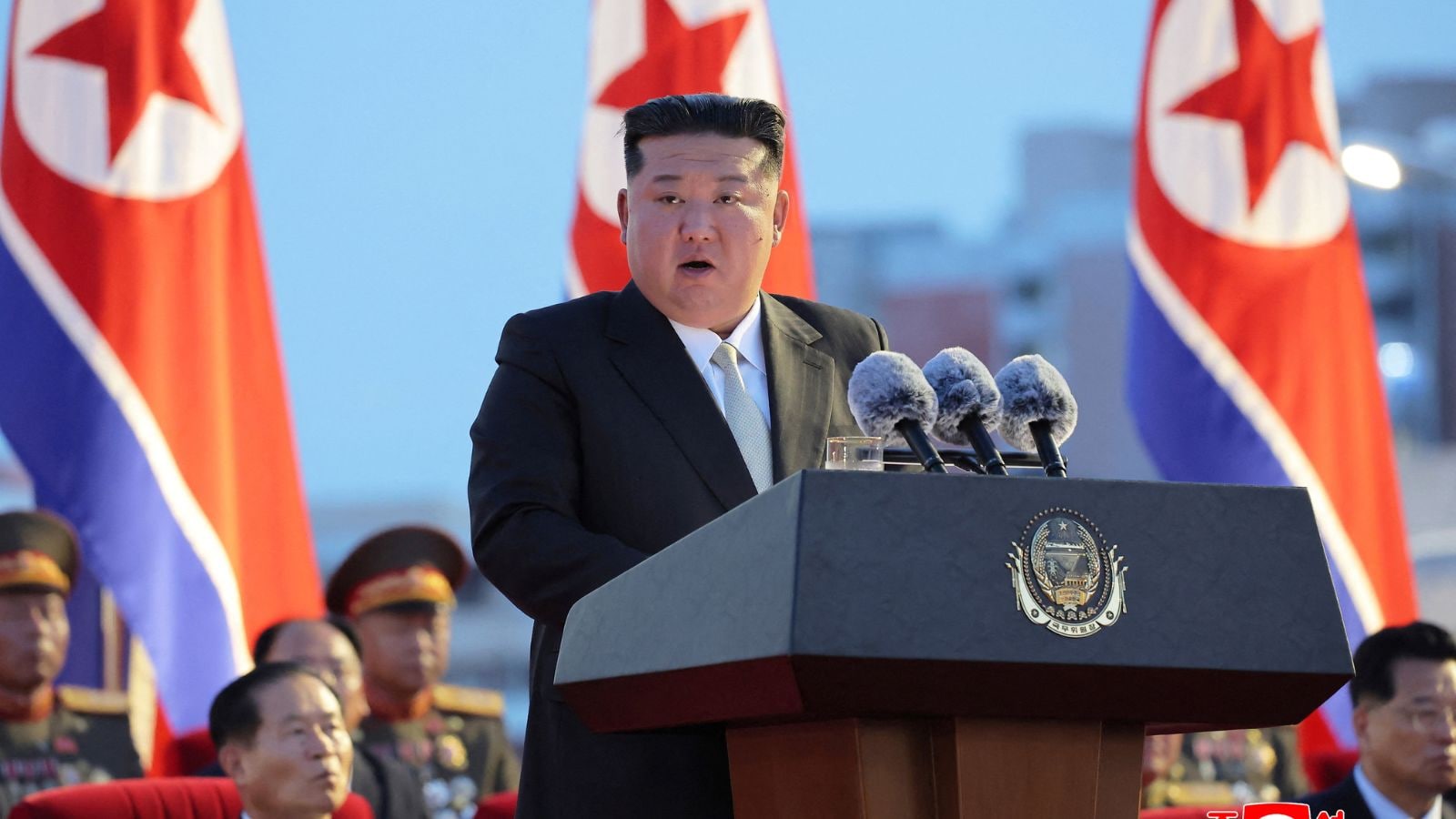
"Let's go to France? It's a lovely place. No riots, no revolutions." Then, a beat later, Donald Trump flipped his own joke: "You know, France seems to be so damn good for revolutions. It's unbelievable. Let's go to France and join the revolution."
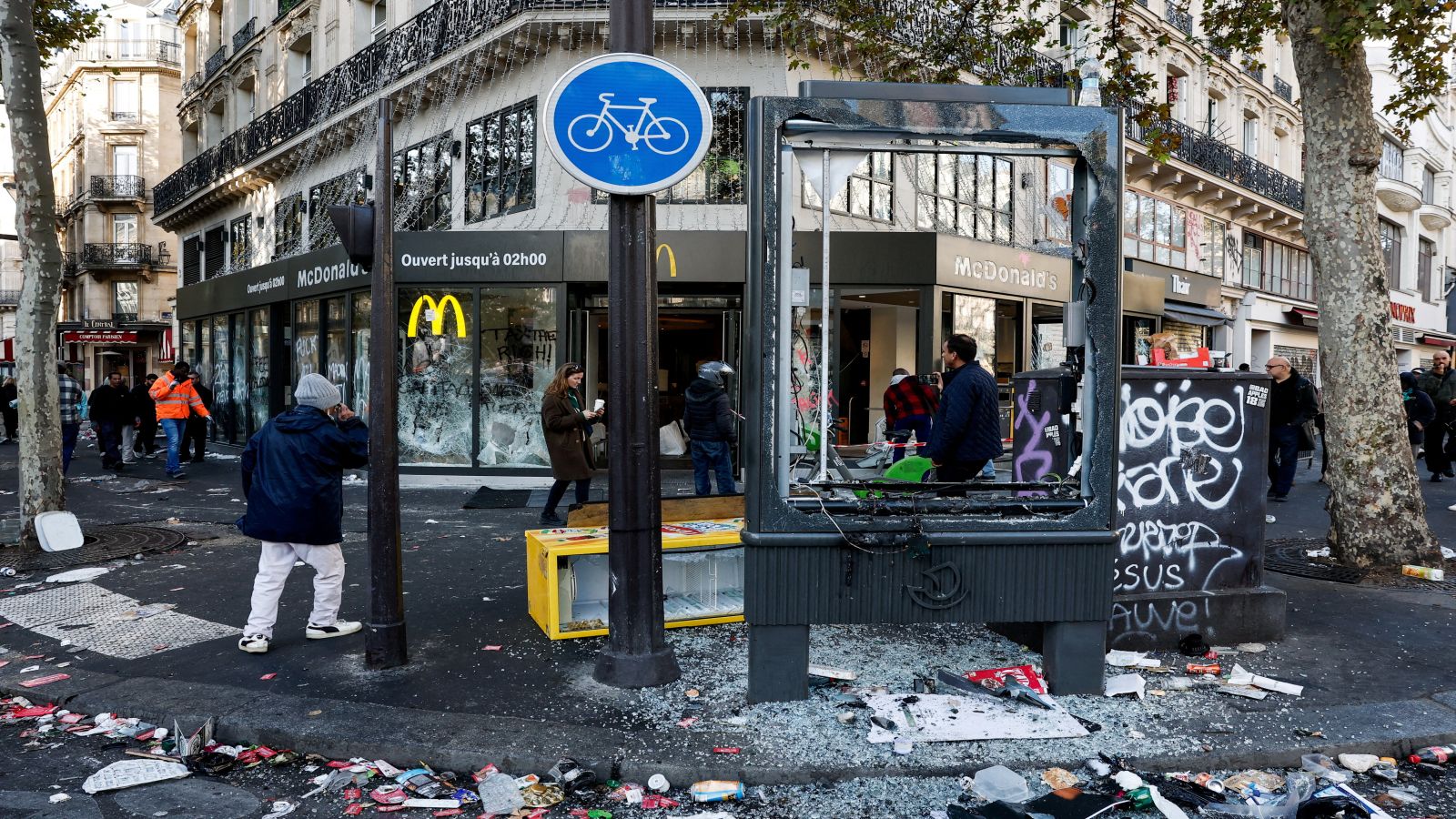
If you only saw that clip, you might laugh at the timing. French streets were packed with hundreds of thousands of demonstrators, storefronts had been looted, and a historic town hall in Limoges had gone up in flames. Mocking France over revolutions is easy comedy. It's also lazy politics.
When Trump mocks France protests, he turns a messy collision of inflation, school strain, labor anger, and election-year politics into a punchline about foreign dysfunction. Worse, treating France as a simple warning sign for American voters skips over what's actually happening on the ground—and what happens when leaders on both sides of the Atlantic use street chaos to score points at home.
How Trump Framed France Protests as a Punchline
Trump didn't deliver a policy lecture on French fiscal strain. He told a story about taking a trip—joking about spending a hypothetical $5,000 check in China or Japan before landing sarcastically on France. His point wasn't subtle. In his telling, France is a place where people constantly blow things up over grievances, and Americans should look across the ocean and smirk.
That kind of humor works fast on social media because it relies on a familiar caricature. Americans already have a mental file labeled "French strikes and barricades." Dropping a punchline onto footage of burning cars and smashed glass doesn't require much setup.
What gets lost in the joke is how much work it does for domestic messaging. While Trump joked about joining a revolution, Vice President JD Vance leaned into the darker warning, blaming Western liberal immigration policies and arguing that France's unrest previews what American Democrats supposedly want. Together, the joke and the warning form a one-two punch: laugh at the chaos, then tell voters back home that their opponents want to import it.
What Actually Fueled the Unrest Across France
Anyone who has watched French politics closely knows that massive street mobilizations rarely have just one spark. In mid-October, nationwide demonstrations drew roughly 550,000 people according to France's Interior Ministry and up to 800,000 according to the CGT union, leading to over a thousand arrests. Those numbers alone tell you this wasn't a fringe brawl.
Cost-of-Living Pressure and Lingering Anger
High living costs have been grinding down household budgets across Europe, and France is no exception. Groups tied to the Yellow Vests movement—which first erupted in 2018 over fuel taxes and economic squeeze on working-class and rural residents—still carry real muscle when frustration boils over. When groceries, housing, and daily bills keep climbing, people who feel ignored by distant ministries look for leverage.
Strained Schools and Political Fatigue
Education workers and students also pushed into the streets over chronic underfunding, teacher shortages, and tough classroom conditions, rejecting emergency government offers as too thin to fix structural gaps. Add political fatigue under Prime Minister Sébastien Lecornu's government ahead of the 2027 presidential race to succeed Emmanuel Macron, and every policy clash feels like a referendum on the entire system.
Peaceful Marchers vs. Masked Agitators
Here is a mistake people make from thousands of miles away: conflating half a million marchers with the smaller groups that smash windows or set fires. In cities like Paris, Marseille, Bordeaux, and Lille, masked agitators took advantage of large crowds to loot high-end shops—including Apple, Louis Vuitton, and Hermès locations in Bordeaux—and torch property, while the historic 1883 town hall in Limoges suffered severe fire damage.
From my perspective covering how street protests get spun internationally, that distinction is vital. Rioters destroy property and draw headlines, which is why cameras lock onto them. Yet treating an entire protest movement as nothing more than arson and looting ignores the ordinary teachers, students, and workers marching alongside union banners.
Why Foreign Leaders Turn Unrest Into a Mirror
Foreign riots have always been convenient mirrors for domestic politicians. A leader in Washington can point to Paris or Limoges to argue for tougher borders, stricter policing, or a different economic model—without having to own the messy trade-offs of fixing local housing costs, healthcare wait times, or school budgets at home.
That cuts both ways, honestly. Critics of the White House often point to American protests or polarization to argue that U.S. institutions are uniquely fragile, while allies of the administration point to European unrest to argue that multicultural or social-spending models are failing. Both sides pick the facts that fit their script and leave the rest on the cutting-room floor.
If you want a sober read on the situation, look at what analysts and local officials actually highlight: severe damage to local shops and civic landmarks, heavy strain on police and municipal budgets, and deep political uncertainty with a major national election approaching. Blaming a single cause—whether it's a sarcastic travel joke, a speech by Vance, or one talking point on immigration—oversimplifies a complex crisis.
Practical Ways to Read Viral Protest Clips Without Getting Fooled
When a dramatic clip of street clashes goes viral and a politician attaches a punchy one-liner to it, you don't have to take the bait. A few habits keep your judgment sharp:
- Check the timeline and scale first. Separate the day's total turnout numbers from clips of a single street corner or burning building, using trusted wire reports like Reuters, AFP, or the BBC alongside local coverage.
- Separate the grievances from the vandalism. Ask who organized the march, what demands unions or students actually put forward, and which actions came from opportunistic looters or violent fringe actors.
- Watch who benefits from the framing. Notice when a foreign story is being used as a prop for domestic election battles or immigration arguments rather than explained on its own terms.
- Follow up days later, not just during the smoke. The real test of civil unrest isn't the loudest clip on day one—it's whether policy shifts, court cases follow arrests, or political coalitions fracture in the weeks afterward.
Humor travels faster than nuance, especially when a president is at a microphone and cameras are rolling. Still, behind every viral quip about France and revolutions are real people fighting over money, public institutions, and power—and that's the part worth paying attention to.