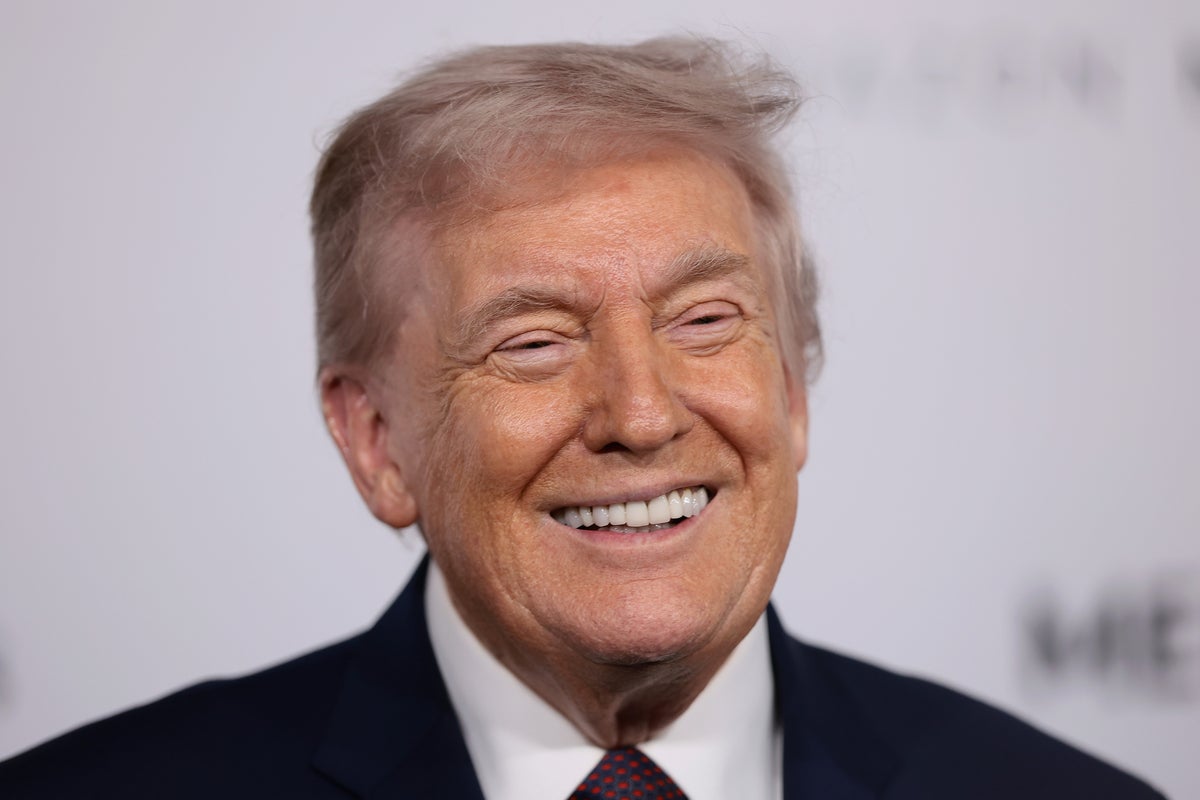
Washington, D.C. has a long history of bureaucratic gridlock, but urban renewal projects in the nation's capital hit a different gear when real estate instincts meet executive power. If you look past the daily political noise, you notice an unmistakable obsession with physical transformation. Donald Trump's push to reshape the visual landscape of the district isn't just a side hobby. It's central to how he projects control.
Executive Order 14252, titled "Making the District of Columbia Safe and Beautiful," launched a coordinated wave of streetscape overhauls, park cleanups, and monument restorations. While critics write these moves off as vanity measures or distractions from broader legislative fights, supporters see a long-overdue cleanup of neglected federal assets. If you enjoyed this piece, you should look at: this related article.
The Mechanics Behind the Capital Cleanups
Fixing up a national capital is messy work. Trump zeroed in heavily on high-profile public spaces, most notably the Lincoln Memorial Reflecting Pool. Crews began resurfacing the 2,030-foot-long basin, swapping out standard municipal grey for a custom shade dubbed "American flag blue".
Why does a reflecting pool matter so much? To a former real estate developer, optics are everything. Trump spent months talking up the project, claiming it would cost under two million dollars and finish in record time. He bypassed conventional institutional friction by leaning on personal contractor connections, treating municipal updates like a private resort renovation. For another angle on this event, check out the latest update from The New York Times.
The National Capital Planning Commission's Safe and Beautiful Initiative coordinates these efforts with local business improvement districts. The stated deadline coincides directly with two massive incoming milestones: America's 250th anniversary celebrations and the 2027 NFL Draft. The administration wants tangible, gleaming results that tourists can see immediately.
Architecture, Power, and Public Taste
You cannot separate these physical projects from the underlying architectural battles. Trump signed orders mandating that federal public buildings embrace classical aesthetics—favoring Neoclassical, Greek Revival, and Georgian styles over modern or Brutalist designs.
The philosophy here is straightforward. Classical architecture is meant to command respect and project stability. Critics argue that uniform stylistic rules stifle modern expression and ignore regional diversity. Proponents counter that taxpayer-funded structures should reflect traditional civic dignity rather than cold, avant-garde experimentation.
This ideological divide drives real policy friction. When a president views government buildings and monuments as personal design challenges, standard urban planning procedures often take a backseat. Professional architectural groups push back against top-down mandates, while the administration insists that ordinary citizens prefer timeless, grand designs over stark concrete slabs.
Substance Versus Symbolism
Skeptics point out the stark contrast between pouring energy into pool paint and navigating complex foreign policy or domestic economic pressures. Public records show tens of thousands of words dedicated to these construction efforts across dozens of public appearances.
Yet, political analysts note that physical construction projects serve a specific rhetorical purpose. They offer concrete, easily digestible wins. You can film a video in front of a freshly painted pool. You can point to a clean park corridor. You cannot package a legislative compromise quite as neatly for a campaign rally.
As Washington prepares for massive national crowds, these targeted beautification efforts will keep rolling forward. Whether you view them as necessary maintenance or authoritarian micromanagement, they reveal a fundamental truth about political theater. Tangible changes to the physical environment remain one of the fastest ways to project authority.