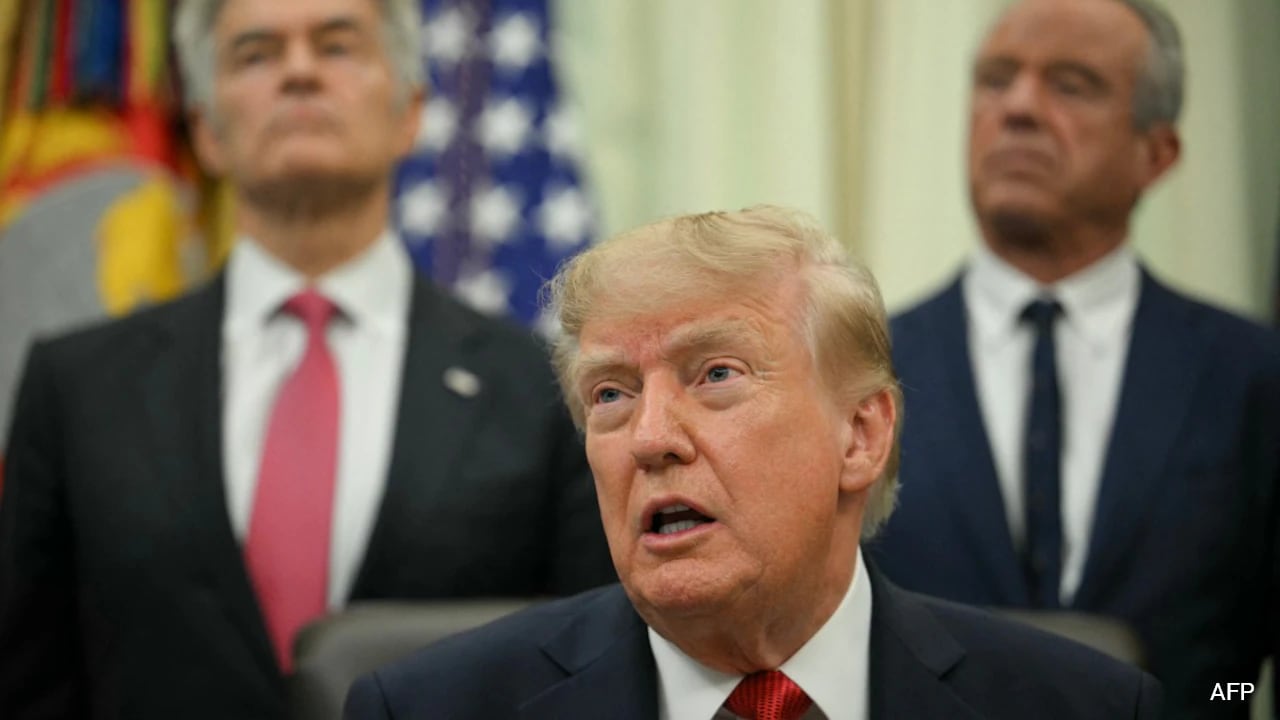
President Trump just extended the controversial $100,000 H-1B visa fee and entry restrictions through September 21, 2027, via Proclamation 11069 on September 18, 2026. Sounds like a massive blow to hiring international talent, right? Not so fast.
Right now, you don't actually have to write that six-figure check. A federal court already vacated the policy earlier this summer, and the appeals court refused to put it back on hold. So on paper, the restriction runs another year. In practice, U.S. Citizenship and Immigration Services is barred from collecting it while the lawsuits drag on. Also making news in related news: The Heir Who Preferred the Soil Over the Vault.
Anyone running a company that sponsors foreign workers—or sitting on an H-1B visa yourself—is probably getting whiplash. One week a rule is active, the next week a judge tosses it out, and then a new proclamation extends the deadline anyway. Let's cut through the noise and look at what actually happened, what's legally blocked, and what's coming down the pike.
How the $100,000 H-1B Visa Fee Got Here
Back on September 19, 2025, Trump signed Proclamation 10973, taking effect two days later at 12:01 a.m. EDT on September 21, 2025. The stated goal was curbing program abuses and protecting American workers. The mechanism was a steep $100,000 payment attached to certain new H-1B petitions. More insights on this are detailed by Investopedia.
Even when the original proclamation was actively enforced, it didn't hit every single H-1B filing. It targeted petitions involving workers outside the U.S. without a valid H-1B visa, consular processing, or cases where a change of status or extension inside the U.S. was denied. If you were an F-1 student changing status inside the country, or an employer filing a standard extension or change-of-employer petition for someone already in valid status, you generally dodged that specific fee. There was also a narrow national interest exception for rare cases where DHS signed off.
Then came the courtroom pushback. A coalition of plaintiffs sued in Massachusetts federal court—State of California et al. v. Markwayne Mullin et al.—arguing that slapping a $100,000 charge on visa petitions overstepped executive authority, functioned like an unapproved tax, and violated the Administrative Procedure Act.
On June 8, 2026, the U.S. District Court for the District of Massachusetts vacated the agency guidance implementing the $100,000 fee. After a brief stay window, the First Circuit Court of Appeals denied the government's stay motion on July 24, 2026, leaving the block in place. Two months later, just ahead of the September 21, 2026 expiration date, Trump issued the extension through September 21, 2027.
Why the Extension Faces a Brick Wall in Court
Extending a policy on paper doesn't magically erase a federal court order vacating it. Because Proclamation 11069 extends the September 2025 restriction, immigration lawyers and legal analysts widely point out that the existing court block applies to the extension too. If USCIS tries to collect it anyway, plaintiffs are primed to challenge that move immediately.
There's also a practical wrinkle that critics love to highlight. Even during the months when the proclamation fee was collected, government figures and policy analyses—including commentary from the Cato Institute—pointed out that a six-figure fee chills filings so hard it barely acts as a reliable revenue raiser. When a fee is high enough to stop companies from sponsoring workers altogether, you don't get piles of cash; you get fewer petitions.
At the same time, the administration hasn't put all its eggs in one basket. While the proclamation fee is tied up in court, DHS has moved forward with separate regulatory proposals and rules that reshape H-1B hiring from other angles:
- Wage-weighted lottery selection: A final rule shifting toward wage-weighted selection in the H-1B cap lottery took effect on February 27, 2026, changing the odds for lower-wage versus higher-wage roles.
- Proposed $103,265 cap-subject fee: In August 2026, DHS published a proposed rule for a $103,265 fee on cap-subject petitions. Unlike the proclamation fee—which is blocked right now—this is a proposed regulation that hasn't taken effect and could hit cap-subject petitions regardless of whether the worker is abroad or changing status inside the U.S., if finalized.
- Grace period and deference proposals: DHS also floated proposed rules to eliminate the 60-day grace period after H-1B employment ends and to end deference to prior approvals, alongside tightened H-4 EAD renewal timing.
Let's be honest about what all this means. A proposed rule isn't the law yet. Agencies have to go through rulemaking steps, respond to comments, and defend final rules in court. Still, ignoring them because they aren't active today is a rookie mistake.
What Companies and Visa Holders Get Wrong
I see two big mistakes every time immigration headlines spike. First, people treat proposals and blocked rules like they're already being enforced at the border tomorrow. Second, people assume "blocked today" means "dead forever."
Neither assumption holds up. Immigration litigation moves in fits and starts. Appellate courts can rule later, agencies can revise rules, and new enforcement guidance can drop with very little warning.
Even when a fee is blocked by court order, USCIS has signaled it would look to collect if injunctions or rulings are lifted—so keeping clean documentation and filing strategy records matters right now.
There's also a real debate over who gets hurt most. Defenders of stricter H-1B rules argue that high costs and wage prioritization stop companies from undercutting domestic wages or overusing entry-level foreign hires. Critics—including startups, universities, and business groups—argue that $100,000-plus price tags price out smaller companies and push talent or R&D work overseas. Both sides have real skin in the game, and pretending the trade-offs don't exist doesn't help anyone make a smart hiring plan.
Smart Moves to Make Right Now
If you're hiring talent or managing your own status in late 2026, don't freeze—and don't guess.
- Audit your hiring pipeline before committing to overseas consular hires: If you're planning to sponsor a worker abroad versus someone already in the U.S. on valid status, map out the exact filing pathway and cost exposure with immigration counsel before making a firm offer.
- Track court rulings and Federal Register dockets weekly: Keep a clear distinction between what's blocked by court order (the $100,000 proclamation fee), what's active (like the wage-weighted cap rule), and what's merely proposed (like the $103,265 cap-subject fee or grace-period changes).
- File renewals and extensions as early as rules allow: Delays hurt when processing times shift or rules around extensions and dependent work authorization tighten. Build buffer time into every timeline instead of waiting until the last month.
- Build backup talent and location options: If a critical role depends on a lottery slot or cross-border move, talk through contingency plans—such as remote roles, hub locations outside the U.S., or earlier domestic recruiting—so one court order doesn't derail your whole team.