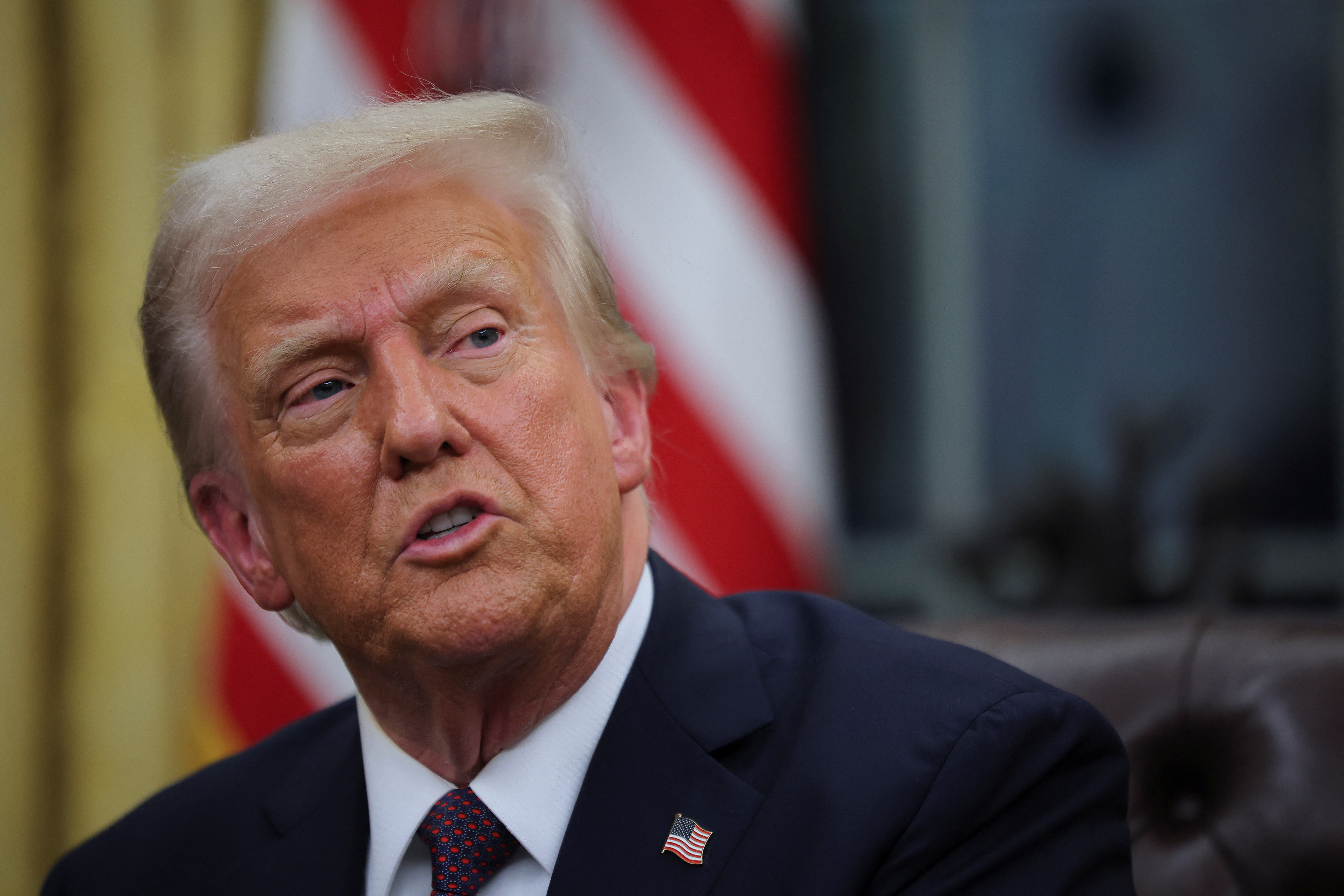
Donald Trump just took a massive victory lap on social media, claiming he personally convinced the Iranian government to stop the execution of eight women. It’s the kind of diplomatic theater we’ve come to expect from him—bold, self-congratulatory, and immediately contested by the other side.
On Wednesday, April 22, 2026, Trump announced that after he reached out to Tehran, the regime decided to "terminate the planned execution" of these female protesters. According to Trump, four of the women were released on the spot, while the other four were given one-month prison sentences. He called it "very good news" and made it clear he "much appreciated" the respect shown to his request.
But if you ask the Iranian judiciary, they’ll tell you the whole thing is a total fabrication. Tehran’s official news agency, Mizan, didn't hold back, calling Trump’s claims "fake news" and suggesting he’s trying to manufacture a win because he’s got nothing to show for his recent military and economic posturing.
The deal or the delusion
So, what actually happened? Trump’s narrative is simple: he used his leverage as President to save lives. He framed the gesture as a "great start" to negotiations, especially since he’s been pushing to get Iran to reopen the Strait of Hormuz.
Iran's version of reality is the polar opposite. They claim no such executions were ever scheduled for these specific women. They argue that some of the women mentioned in activist circles (which Trump reportedly cited) had already been released or were facing minor charges that never carried the death penalty.
This isn't just a "he said, she said" situation. It’s a high-stakes information war. We know for a fact that Iran has been on a brutal execution spree. In February 2026 alone, reports indicate over 300 people were executed. Human rights groups like the Abdorrahman Boroumand Center have identified specific women, such as Bita Hemmati, who were indeed facing death sentences related to the January 2026 protests.
A pattern of brinkmanship
Trump’s "request" didn't happen in a vacuum. It follows his April 8 ceasefire declaration in a conflict involving the U.S. and Israel. He's been extending that ceasefire, most recently on Tuesday, April 21, at the request of Pakistan’s leadership.
The strategy here is classic Trump. By publicizing a "humanitarian win," he creates a public obligation for the Iranian leadership to follow through, even if no formal agreement exists behind the scenes. It forces Tehran into a corner: either they go through with executions and look like they’re defying a "merciful" request, or they don't, which allows Trump to claim credit for their restraint.
The human cost of the protest crackdown
While the politicians bicker over who gets the credit (or the blame), the reality for people on the ground in Iran is terrifying. The January 2026 protests were met with a level of violence that makes previous crackdowns look mild.
We’re talking about thousands of deaths and a judiciary that uses the death penalty as a primary tool for crowd control. Rights groups have confirmed that at least 48 women were executed in 2025. The pace has only accelerated this year.
- The "No to Execution Tuesdays" campaign: This grassroots movement has reached its 110th week, with prisoners and activists using hunger strikes to protest the regime's killing machine.
- The Charge List: Most of these women aren't being picked up for "protesting." They’re being hit with charges like "disrupting national security" or using explosives—charges that fast-track them to the gallows in "revolutionary courts" that lack anything resembling a fair trial.
- The Mask of Sovereignty: Iran hates appearing weak. Their immediate denial of Trump's claim is likely an attempt to show they don't take orders from Washington, even if they actually did commute the sentences to de-escalate tensions during a fragile ceasefire.
What this means for future negotiations
If you're looking for a silver lining, it’s that both sides are talking—even if it's through Truth Social posts and state-run news agencies. The fact that Trump is framing the release of prisoners as a "great start" suggests that "hostage diplomacy" or "prisoner diplomacy" is going to be a central pillar of his Iran policy in 2026.
Don't expect Tehran to admit they gave in. They'll continue to label any foreign intervention as "interference in internal affairs." But watch the court dockets. If the executions of high-profile female protesters like Bita Hemmati are delayed or commuted to prison time, it’s a sign that the "Trump request" had more teeth than the Iranian judiciary wants to admit.
Your next move is to look past the headlines. Don't just take the social media victory laps at face value. Follow the reports from independent human rights monitors like Iran Human Rights (IHR) or Amnesty International. They’re the ones tracking the actual movement of prisoners and the reality of the gallows. If the executions stop, the "why" matters less than the fact that people stayed alive.


