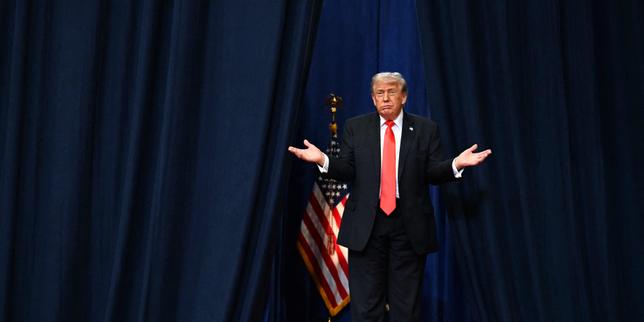
The sixty-day clock is a major problem for any president starting a war. Under the War Powers Resolution of 1973, military engagement abroad must wind down after two months unless Congress gives the green light. That deadline just hit for the Trump administration regarding its ongoing operations against Iran. Rather than seeking a formal vote for an Authorization for Use of Military Force, the White House is taking a different path. Officials now argue that the hostilities are effectively terminated due to a fragile ceasefire.
This isn't just bureaucratic hair-splitting. It’s a direct move to bypass a congressional roadblock that many lawmakers were ready to use.
The War Powers Deadline and Executive Authority
The War Powers Resolution was designed to prevent exactly this kind of situation. It forces a president to be accountable to the legislative branch. If you don't have Congress on your side, you don't get to keep the war going past sixty days.
[Image of US Capitol building architecture]
The administration’s claim that a ceasefire "terminates" hostilities is a convenient legal interpretation. By framing the conflict as paused rather than ongoing, they are trying to reset the clock or stop it entirely. It’s a classic executive power play. While some Republicans in the Senate have supported the president's right to act against what they deem threats, Democrats have been pushing hard to enforce the constitutional limit.
Basically, the administration is betting that the courts and the public won't care about the fine print of a 1973 law if the bombs aren't currently falling. It's risky. If the ceasefire breaks—and history suggests these things are rarely permanent—they will be right back at square one, but with even less political capital to burn.
Why Congress Struggles to Regain Control
You might wonder why Congress doesn't just stop the whole thing. The reality is that the legislative branch is often more fragmented than it looks on television.
- Internal Divisions: Many Republicans fear appearing weak on national security during an election cycle.
- Procedural Hurdles: Getting a resolution through the Senate requires navigating complex rules that give the majority party significant power to block votes.
- Executive Precedent: Presidents have been stretching the limits of the War Powers Resolution for decades. Every administration, regardless of party, tends to view the law as an annoying suggestion rather than a hard boundary.
Earlier this year, a resolution aimed at blocking military strikes against Iran failed to clear the Senate. It was a clear sign that the political will to challenge the executive on this wasn't there. When you have key players like Senator Lindsey Graham arguing that the law itself is unconstitutional, it becomes nearly impossible to build a broad coalition to challenge the White House.
The Reality on the Ground
Diplomacy is officially the goal, but the situation remains tense. The conflict has already seen strikes on critical infrastructure, including nuclear-related sites, and has forced naval assets into play.
The administration wants you to believe that the primary danger has passed. They’ve been highlighting diplomatic channels and the current pause as proof that their strategy is working. But wait. Is the conflict really over? Or is it just a temporary cooling-off period for both sides to regroup?
There are plenty of voices, including former national security officials, suggesting that this ceasefire only benefits the Iranian regime by giving them breathing room to harden their defenses or wait out the political pressure. If the administration’s claim of "terminated hostilities" is just a way to dodge a congressional vote, the risk of a sudden escalation remains incredibly high.
What to Watch Next
If you want to understand where this goes from here, ignore the press releases and look at the actual movement of military assets.
- Carrier Strike Group Deployments: Watch for the movement of naval forces in the region. If they stay in place, the "war is over" narrative holds very little weight.
- Congressional Testimony: Keep an eye on what the Secretary of Defense or other high-ranking officials tell committees behind closed doors. Public statements are often scripted; closed-door sessions are where the real strategy usually leaks out.
- The Ceasefire’s Longevity: Every day the ceasefire holds, the administration's position gets stronger. If there’s even a minor skirmish, the 60-day clock argument will immediately resurface.
This isn't just about legal debates over the 1973 act. It’s about the fundamental tension between a president who wants a free hand in the Middle East and a legislative branch that is finding it harder and harder to exert any real influence. Don't expect this to settle down anytime soon. The legal arguments will continue, but the geopolitical reality is that the administration is effectively operating on its own timeline.