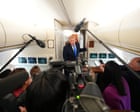
When a presidency collides with the press, the fallout rarely stays quiet. Donald Trump's announcement targeting CNN, MS NOW, and Politico kicked off a high-stakes constitutional showdown that exposed deep fractures over who gets to report from the seat of American power.
Instead of silencing critics, the ban triggered rapid legal pushback, solidarity walkouts from other networks, and a federal judge's intervention. If you think this was just another routine political spat, look closer. This move marks an unprecedented escalation in executive attempts to control the narrative.
The Anatomy of a White House Press Ban
The administration didn't mince words when the directive dropped. Citing years of what the president termed unfair coverage and "fake news," officials sought to strip hard passes from reporters representing CNN, MS NOW, and Politico. The initial warning even hinted that other outlets could follow.
Journalists were left scrambling as security personnel began turning correspondents away from the complex. Yet the retaliation didn't work the way the administration planned. Other major television networks immediately suspended their participation in the joint White House pool in solidarity, demonstrating that isolating one outlet meant shutting down coverage for everyone. Solidarity among journalists proved far more resilient than expected, forcing the administration into a logistical corner.
Why the Courts Slammed the Brakes
Constitutional law doesn't give the executive branch absolute authority to pick and choose reporters based on viewpoint. Within days, legal teams representing the affected news organizations filed a swift lawsuit, arguing violations of both the First Amendment and basic due process.
U.S. District Judge Timothy Kelly agreed, issuing orders blocking the enforcement of the ban and restoring press credentials. The legal reasoning relied heavily on established precedents ensuring reporters receive proper notice, an opportunity to respond, and written explanations before losing credentials. Banning organizations overnight because an administration dislikes their reporting failed to clear the legal bar.
The Broader War on Independent Reporting
This clash isn't happening in a vacuum. Since taking office for his second term, Trump has maintained a persistent posture against traditional media institutions, launching legal battles or restrictions affecting outlets like the New York Times, the Wall Street Journal, and the BBC.
When executive power clashes with constitutional rights, the tension usually ends up in a federal courtroom. Critics argue that shutting out critical voices damages public transparency. Defenders claim the administration is simply pushing back against biased reporting. Either way, weaponizing access passes creates a dangerous precedent where public information depends on political loyalty.
As legal appeals move forward and separate lawsuits from citizens challenge access restrictions, the fundamental friction between governance and accountability remains entirely unresolved.
Donald Trump bans CNN, MSNBC and Politico from White House
This video provides direct footage of the announcement regarding the press restrictions at the White House.