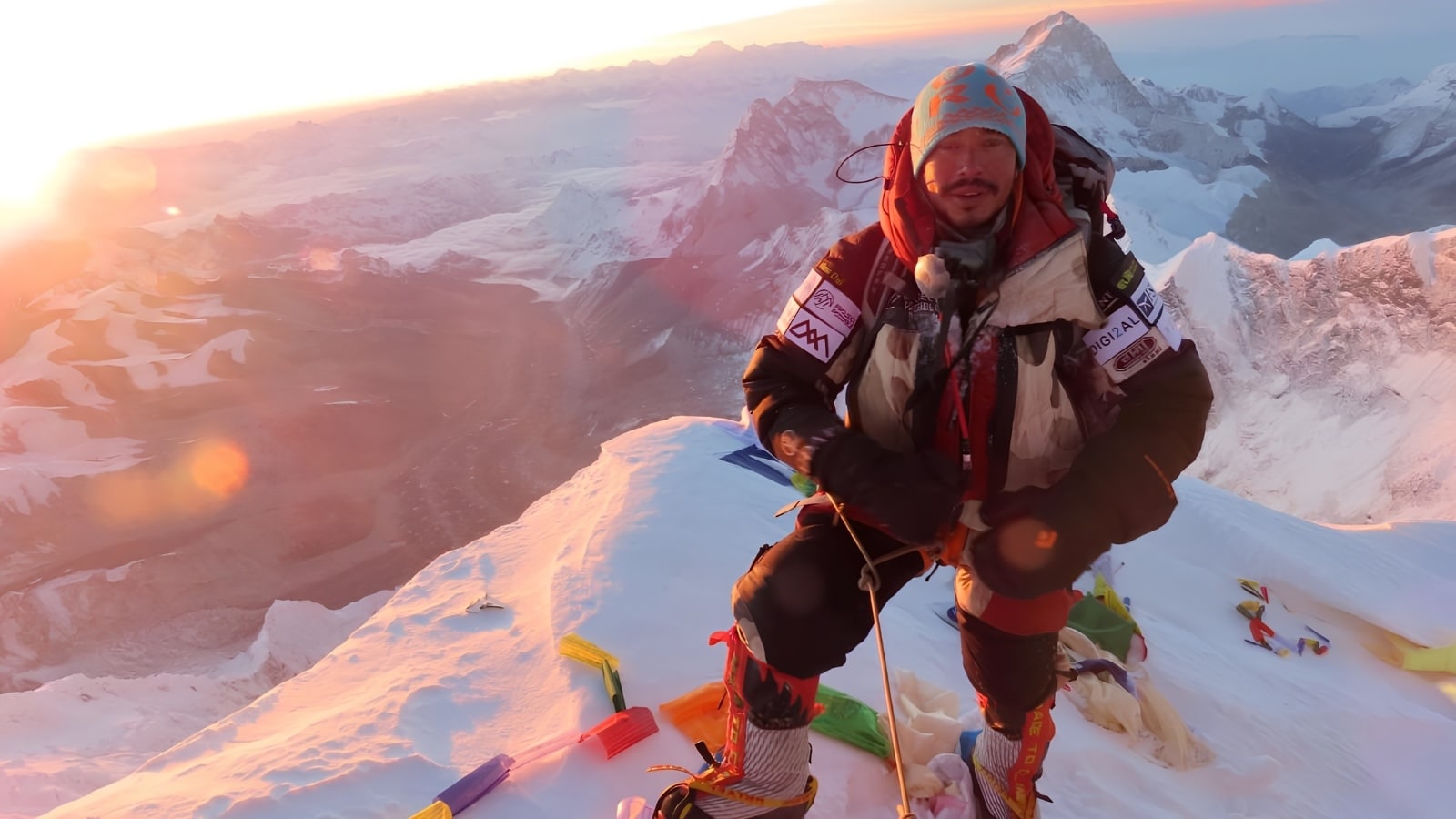
High-altitude mountaineering just suffered another devastating blow. Renowned mountaineer Nirmal Purja, famously known from the Netflix documentary 14 Peaks, and nine other climbers went missing following a massive avalanche on Pakistan's Broad Peak.
The incident on the 8,047-metre (26,400-foot) Karakoram giant has sent shockwaves through the global climbing community. Ground search parties and rescue helicopters are currently racing against brutal weather conditions. Four bodies have already been recovered at the base of the slide.
If you follow extreme sports, you know the name Nims Dai. But this tragedy exposes a darker, often ignored reality about commercialized expeditions on the world's most dangerous mountains. Let's break down what actually happened on Broad Peak and why the climbing world is facing hard questions right now.
What Happened on Broad Peak
The avalanche struck around 9:30 AM local time. Ten summit-bound climbers were caught near the upper sections of the route.
GPS tracking data from devices like InReach units told a terrifying story later. The trackers showed a rapid, vertical drop of hundreds of meters. Some climbers were swept almost all the way down to the base camp level.
The expedition group led by Purja's EliteExped team included a mix of seasoned professionals and international clients. Among the missing and affected climbers are individuals from Nepal, the United States, Oman, China, and Pakistan. Omani climber Nadhira Al Harthy and Nepali guide Pur Bahadur Gurung (Yukta) were among those tragically confirmed dead.
The Communication Breakdown That Cost Critical Hours
One detail stands out to anyone familiar with Himalayan logistics. Base camp teams didn't sound the alarm until roughly 12 to 13 hours after the avalanche hit.
Think about that. An entire day passed before official rescue coordination kicked into high gear. Because the team was out of contact and base camp staff assumed they were simply pushing higher up the mountain without signal, precious daylight vanished.
In high-altitude rescue operations, the first few hours are everything. When communication protocols fail, survival rates plummet. Experts are already questioning why monitoring systems didn't flag the sudden, violent drops shown on GPS trackers much sooner.
The Dangerous Reality Behind Commercial Eight-Thousanders
People see movies like 14 Peaks and think high-altitude climbing is an unstoppable march of human triumph. Netflix makes it look cinematic, fast, and glamorous.
Reality is much harsher.
Mountains like Broad Peak, K2, and Everest have seen a massive commercial boom. More amateurs are hiring elite guides to take them up peaks that used to be reserved for elite mountaineers. This creates a dangerous paradox. You have heavy traffic on unstable slopes, tight schedules driven by commercial pressures, and weather windows that change in a heartbeat.
Purja himself built an empire around speed and commercial ascents. His company, EliteExped, pushes boundaries by guiding clients up terrain that demands absolute perfection. But nature doesn't care about social media followings, brand partnerships, or previous records. Avalanches strike elite veterans just as easily as novices.
The Ongoing Search and What Happens Next
Search-and-rescue teams, including local outfitters like Karakorum Expeditions alongside military aviation units, deployed helicopters at first light once weather permits. Ground parties scouring the debris field opposite base camp continue pulling victims from the snow and ice.
For the families of the missing, waiting for updates is pure agony. For the wider mountaineering community, this disaster forces an uncomfortable reckoning. We need to look closely at how expeditions manage risk, communicate in remote sectors, and whether the rush to commercialize every 8,000-metre peak is pushing climbers past the absolute limit of safety.
Check your romantic notions of mountaineering at the door. The Karakoram range remains an unforgiving wilderness where a single miscalculation or unpredicted snow shift can alter history in seconds. Stay tuned to verified updates from the Alpine Club of Pakistan as recovery operations press forward.

/GettyImages-157526585-93425538070d4422ad42d22af28c0758.jpg)
