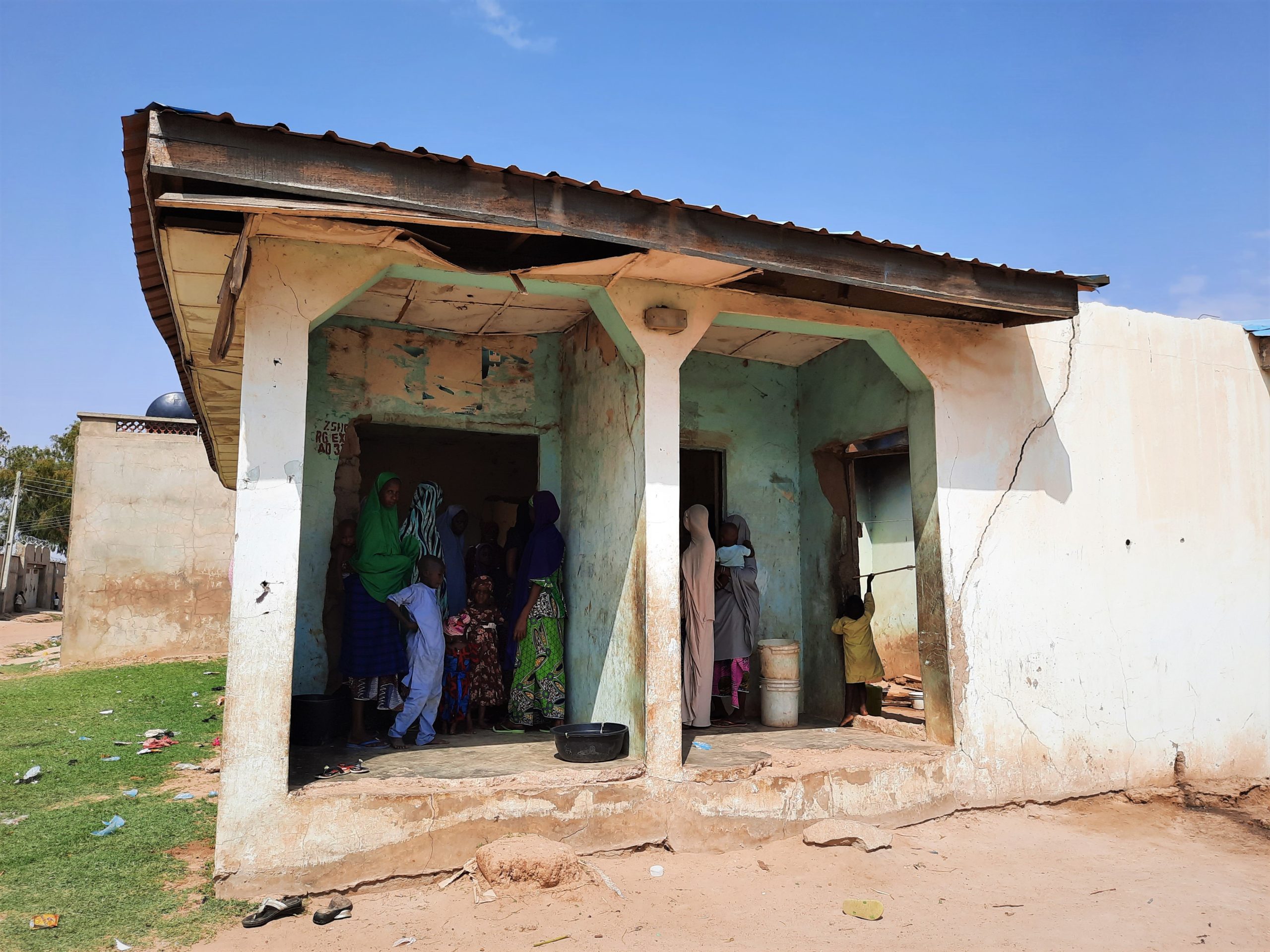
The Nigerian military says it's fighting bandits. Amnesty International says it's killing civilians. This isn't a new story in Northern Nigeria, but the scale of the recent disaster in Zamfara state is staggering. On a busy market day, when people were just trying to buy grain and sell livestock, the sky rained fire. At least 100 people died.
It’s a nightmare. You're standing in a crowded square, bargaining over prices, and seconds later, the ground is covered in bodies. This latest strike in Zamfara isn't just another "operational error." It’s a systemic failure of intelligence and a total disregard for the lives of rural Nigerians. The Nigerian Air Force keeps hitting the wrong targets, and the world barely blinks. You might also find this similar story insightful: The Year the Sky Turned to Dust.
What happened on the ground in Zamfara
Witnesses described a scene that sounds like a horror movie. The airstrike hit a weekly market, a place where hundreds of villagers gather from surrounding areas. Because these markets are the heartbeat of the local economy, they're always packed. When the bombs fell, there was nowhere to run.
Amnesty International has been documenting these incidents for years. Their researchers spoke to survivors who lost entire families in a single blast. We aren't talking about a few "collateral damage" victims. We're talking about dozens upon dozens of men, women, and children. The military often claims they’re targeting "bandit camps," but when those camps happen to be right next to—or confused with—civilian hubs, the cost is too high. As discussed in latest reports by Associated Press, the effects are widespread.
The Nigerian government’s initial response is usually a mix of silence and denial. Sometimes they acknowledge an "incidental" loss of life. But for the families in Zamfara, "incidental" feels like an insult. They’re burying their kids in mass graves while officials in Abuja talk about "surgical precision."
The patterns of failure in Nigerian airstrikes
This isn't an isolated event. If you look at the history of the Nigerian Air Force over the last decade, you'll see a bloody trail of mistakes.
- Rann IDP Camp (2017): An airstrike hit a camp for displaced people, killing over 100.
- Mainok (2021): The Air Force accidentally bombed its own soldiers.
- Tudun Biri (2023): A drone strike killed over 80 people during a religious festival.
Why does this keep happening? It’s often a combination of bad intelligence and a "shoot first, ask questions later" mentality. The bandits in the northwest are mobile. They ride motorcycles. They hide in forests. But they also move through villages. If the military sees a large gathering of people in a "red zone," they often assume it’s a gathering of criminals. In reality, it’s just a market.
Military drones and jets are powerful tools, but they’re only as good as the humans interpreting the grainy footage on the screen. In the Zamfara case, the gap between what the pilot saw and what was actually on the ground resulted in a massacre.
The human cost beyond the body count
When 100 people die in a market, a community doesn't just lose lives. It loses its will to survive. These villages are already under the thumb of bandits who extort them and kidnap their residents. Now, they have to fear the very government that's supposed to protect them.
Think about the psychological toll. If you're a farmer in Zamfara, you're trapped. You can't go to your field because the bandits might kill you. You can't go to the market because the Air Force might bomb you. It’s a literal dead end. This creates a vacuum of trust. When the military kills civilians, it makes the job of the bandits easier. They use these tragedies to recruit. They tell the locals, "The government hates you. We're the only ones here."
Amnesty International’s report is a call for transparency that usually falls on deaf ears. They want independent investigations. They want the people who ordered these strikes to be held responsible. So far, that hasn't happened. Not once.
The lack of military accountability
I've followed these stories for years, and the script never changes. The military promises an internal board of inquiry. The board meets behind closed doors. The findings are never made public. No one is demoted. No one goes to jail.
This culture of impunity is the real reason these "mistakes" keep happening. If there are no consequences for killing 100 civilians, there's no incentive to change the rules of engagement. The Nigerian government owes its citizens more than a press release expressing "regret." They owe them justice.
International partners, including the U.S. and the UK, provide Nigeria with aircraft and training. They have a responsibility here too. If the equipment they provide is being used to blow up markets, they need to rethink the terms of those deals. You can't claim to be supporting "counter-terrorism" while the weapons you sold are being used in human rights violations.
What needs to change right now
We can't keep pretending these are freak accidents. They're the result of specific choices.
First, the Nigerian Air Force needs to stop conducting strikes in proximity to known civilian areas without 100% confirmation. If there's even a 1% chance a market is being targeted, the mission should be aborted. Second, there must be a compensation fund that actually reaches the victims. Most families in these rural areas never see a dime of "condolence" money.
Lastly, we need civilian oversight. The military shouldn't be investigating itself. An independent body, including human rights lawyers and community leaders, should review every single strike that results in civilian casualties.
If you care about human rights, don't let this story fade away. The people of Zamfara aren't just statistics in a news crawl. They're people who went to buy food and never came home. Demand that your representatives question the military aid being sent to units that hit civilian targets. Follow organizations like Amnesty International and the International Committee of the Red Cross (ICRC) to see how you can support ground-level relief for survivors. Don't look away just because it's happening in a remote part of the world. Silence is how these tragedies become routine.