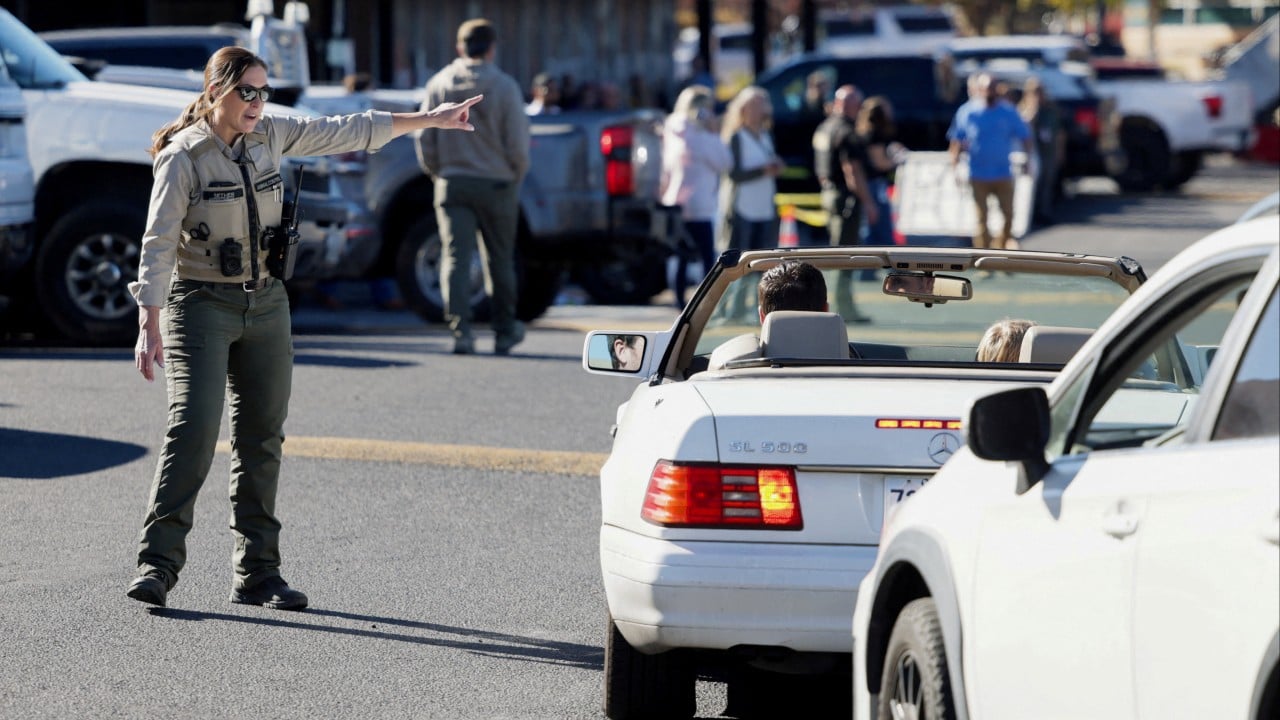
Four lives extinguished in an instant. The devastating reality of a school shooting in Oregon left a community shattered and families grieving children who should have grown up to change the world. Incidents of mass violence in educational spaces continue to expose deep fractures in the social fabric, leaving analysts and investigators searching for answers beyond the immediate horror of the crime scene.
When gunfire shatters the quiet of a school morning, the aftermath follows a grimly familiar script. Pundits argue over legislation, politicians offer thoughts and prayers, and communities mourn. Yet the structural vulnerabilities that allow troubled individuals to access firearms and execute mass casualty events remain stubbornly unaddressed. Understanding why these tragedies recur requires examining the intersection of mental health deterioration, radicalization, and the easy availability of lethal weapons.
The Warning Signs We Normalize
Before a tragedy occurs, the path of the perpetrator rarely remains hidden. Behavioral shifts, explicit threats, and expressions of alienation frequently surface online or among peers long before the first shot is fired. Institutional systems tasked with intervention often struggle under the weight of resource constraints and bureaucratic inertia. School counselors face overwhelming caseloads, rendering early identification of severe psychological distress nearly impossible in many districts.
Ignoring these warning signs creates an environment where isolation festers into hostility. When troubled youth find echo chambers on the internet that validate their grievances and glorify violence, the risk escalates exponentially. Disrupting this pipeline requires proactive intervention from educators, peers, and families who recognize that idle threats or sudden withdrawals demand immediate attention rather than passive dismissal.
Systemic Flaws in Emergency Response
The response time of law enforcement during active shooter situations remains a critical variable in minimizing casualties. Every second counts when an armed assailant enters a school building. Protocols established after past tragedies emphasize immediate engagement by the first officers on the scene, yet communication breakdowns and tactical hesitation continue to surface during critical reviews of high-profile incidents.
Equipping schools with hardened infrastructure and comprehensive security measures offers a partial buffer, but physical fortifications cannot replace systemic prevention. Metal detectors and locked doors treat the symptoms of a deeper societal illness rather than the root cause. A truly effective security framework must integrate mental health support systems with robust law enforcement coordination to neutralize threats before they materialize on campus.
The Heavy Burden on Surviving Communities
For the survivors, the families of victims, and the educators present during the attack, the trauma extends far beyond the immediate aftermath. Post-traumatic stress disorder, survivor guilt, and the profound grief of losing young peers alter the trajectory of an entire generation. Communities that experience such profound loss often find themselves fractured, struggling to rebuild a sense of normalcy in classrooms that now carry the ghost of violence.
Media coverage frequently pivots away from these communities once the news cycle shifts, leaving residents to navigate their recovery in relative isolation. Sustained psychological resources and long-term community support are essential components of healing that rarely receive the attention they warrant. As the national conversation inevitably moves on to the next political debate, the people of Oregon and similar communities across the country continue to carry the scars of an avoidable catastrophe.