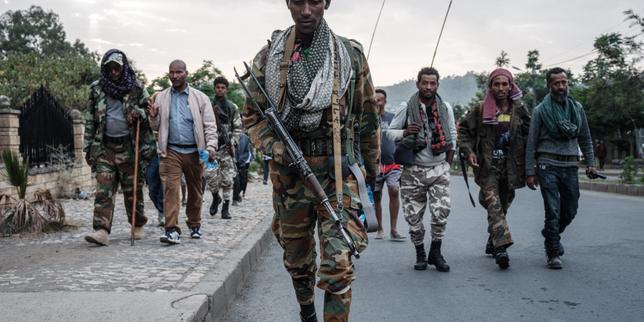
The sea off the coast of Malacca does not care about the grand architecture of global power. It moves with a heavy, ancient rhythm, carrying container ships as tall as apartment blocks past wooden stilt houses where children dangle fishing lines into the green-brown water. On the deck of a Singaporean freighter, a young third officer named Li stares out at the horizon, watching the gray silhouette of a distant naval destroyer cut through the swell. He does not know if the flag flying from its mast is stamped with stars or stripes. From fifty miles away, iron looks identical.
For decades, the ten nations comprising the Association of Southeast Asian Nations have thrived on the art of looking away. Their strategy was simple: trade with everyone, entangle economies with Beijing, buy security guarantees or technological investments from Washington, and maintain a diplomatic smile that committed to nothing more than mutual respect and tea. It was a comfortable fiction. It was a strategy built on the belief that the world could be neatly divided into commerce and conflict, as if money and missiles did not share the same harbors.
That fiction is dissolving in the salt spray.
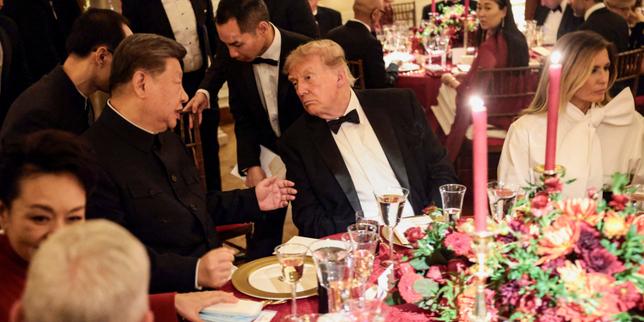
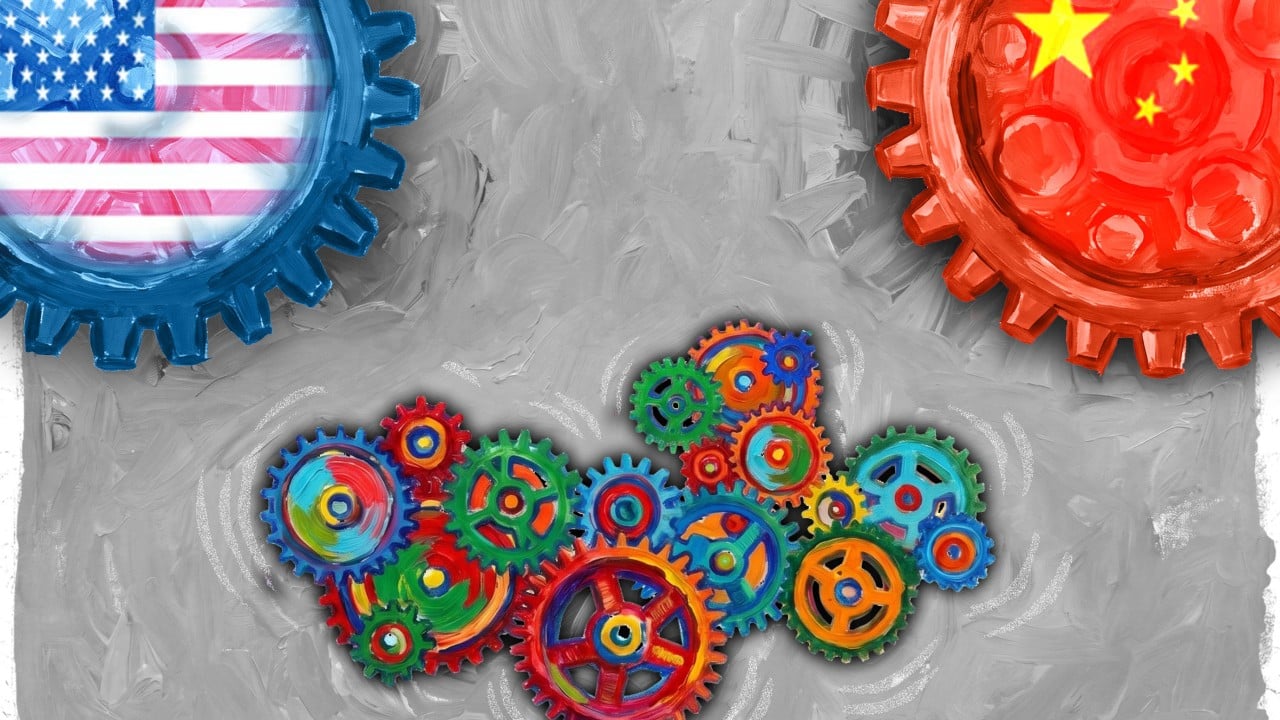
Consider what happens in a quiet village outside of Jakarta, or inside a bustling tech incubator in Hanoi. The question is no longer whether to invite a foreign power in for dinner. The question is what happens when the two biggest guests at the table start throwing furniture. Washington demands alignment on supply chains, intellectual property safeguards, and security architectures designed to hem in an ascending rival. Beijing pours billions into high-speed rail, deep-water ports, and digital infrastructure, weaving an economic gravity that pulls entire national budgets into its orbit.
To choose one side is to commit economic suicide regarding the other. To choose neither—to simply stand in the middle with hands raised in perpetual neutrality—is to risk becoming the battlefield where two giants finally collide.
This is the central dilemma facing Southeast Asia today. Neutrality has become a luxury item, priced out of reach by the sheer scale of the rivalry unfolding across the Pacific and the South China Sea.
Walking along the waterfront in Phnom Penh, the physical manifestation of this tension is everywhere. Cranes slice into the humid sky, lifting steel beams paid for by Chinese development banks. Just down the road, foreign diplomats negotiate green energy transitions backed by Western climate funds. Local merchants caught in the middle shrug their shoulders when asked about geopolitics. They have rent to pay, rice to buy, and goods to sell. They do not care about geopolitical doctrines. They care about whether the currency in their pocket will buy tomorrow what it bought yesterday.
Yet indifference is no longer an armor.
When supply chains fracture, the small manufacturer in Malaysia who builds microchip components finds himself forced to build two separate production lines, using two entirely different technological ecosystems. When maritime patrols increase in contested waters, the Filipino fisherman watching his nets hauled aboard a foreign coast guard cutter feels the immediate, physical weight of great power friction.
Asean was founded on consensus, a diplomatic tradition born out of a desire to prevent regional wars by talking endlessly until everyone agreed to disagree agreeably. That mechanism worked brilliantly when the Cold War was a distant European and American affair, and when the region was primarily focused on lifting millions out of agricultural poverty.
Today, poverty has receded, replaced by booming middle classes, digital economies, and sophisticated industrial capacities. With greater wealth comes greater exposure. You cannot quietly trade electronics with a superpower while pretending you do not notice its warships conducting exercises off your continental shelf.
The traditional posture of avoidance is hardening into strategic vulnerability.
Imagine a dockworker in Laem Chabang port watching two massive gantry cranes load cargo simultaneously. One container bears electronics bound for Silicon Valley; the next contains raw materials destined for industrial hubs along the Yangtze River. The dockworker does not own the cranes, nor does he write the trade agreements. He simply ensures the cables are secure before the winches groan upward. If the cable snaps, he is the one standing underneath.
That is the reality of the region right now. The cables are straining.
What does it take to move beyond mere avoidance? It requires a terrifying leap into collective agency. For too long, the ten member states have acted as individual actors seeking bilateral bargains with Beijing or Washington, playing one against the other to extract maximum concessions. This "hedge and hide" approach worked when the giants were distracted. Now, the giants are paying very close attention.
When individual nations try to navigate the storm alone, they are easily picked apart, pressured through economic coercion, or flattered into diplomatic compromises that undermine regional cohesion. The strength of Asean has always been its collective weight—a market of over six hundred million people, strategically positioned across the most vital maritime choke points on earth.
To use that weight means accepting uncomfortable truths. It means admitting that internal divisions within the bloc are currently being weaponized by external rivals. When one member state blocks a joint statement on maritime security to appease a foreign creditor, the entire architecture of regional deterrence crumbles just a little bit more.
True diplomatic maturity requires moving past the comfort of consensus-by-silence. It means building common standards for digital privacy, maritime trade, and infrastructure financing that apply regardless of whether the capital comes from across the ocean or across the border. It means telling both Beijing and Washington that regional waters belong to the region, and that economic partnership cannot come wrapped in political chains.
This is not an easy road. It demands a level of political courage that has rarely been tested in modern Southeast Asian history. Leaders accustomed to hedging their bets will find it deeply uncomfortable to draw hard lines, not against external powers, but among themselves in pursuit of a unified stance.
Back on the freighter crossing the Malacca Strait, the third officer watches the gray warship fade into the haze. The sea returns to its heavy, indifferent swell. The ship keeps moving forward, guided by instruments that measure both the stars above and the digital currents beneath the hull. The crew knows the storm is coming. They also know that turning back is impossible, and standing still will only let the current sweep them onto the rocks. The only way through is straight ahead, together, keeping a steady hand on the wheel while the world rearranges itself around them.