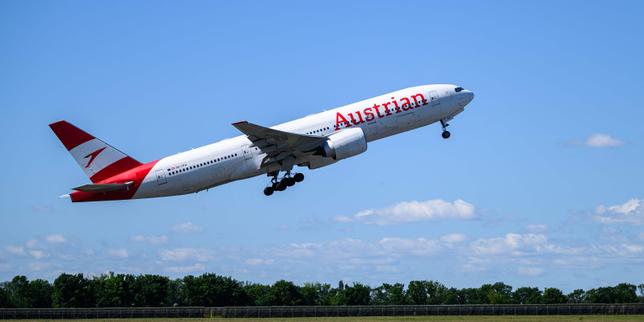
Commercial aviation operates on a razor-thin margin of absolute trust. Every day, thousands of metal tubes filled with hundreds of passengers cross international borders at high altitudes, relying on a complex web of protocol, communication, and mutual cooperation between sovereign states. That fragile system faces its ultimate test when a security threat materializes mid-flight. Recently, a flight operating from Tel Aviv to Vienna was forced to divert abruptly toward Bulgarian airspace following a bomb scare.
The incident highlights the immediate protocols triggered when security alerts disrupt commercial routes. Air traffic control agencies across the region coordinated emergency procedures to guide the aircraft safely away from densely populated corridors. Passengers experienced hours of uncertainty as security teams prepared for an emergency landing at an alternate airfield.
The Protocol of Emergency Diversions
When a bomb threat is communicated to an aircrew or an airline operations center, standard operating procedures dictate immediate risk mitigation. Pilots do not have the luxury of verifying the credibility of the threat in real-time. Every warning must be treated as a confirmed, active hazard until proven otherwise.
Aviation security protocols require the nearest suitable airport with adequate emergency response infrastructure to accept the diverted aircraft. Bulgaria's geographical position relative to the Tel Aviv-to-Vienna corridor placed its airspace and designated emergency airports into the center of the unfolding operational response.
Ground crews, explosive ordinance disposal units, and local law enforcement must mobilize instantly. Coordination between Israeli security services, European aviation authorities, and local Bulgarian officials demonstrates the intricate multi-national communication network required to manage airborne emergencies.
Passenger Experience and Psychological Toll
For the individuals on board, an anonymous threat transforms a routine commercial journey into a high-stress ordeal. Cabin crew members are trained to maintain calm while executing rigorous cabin checks and preparing passengers for potential emergency procedures.
Communication during these critical hours often remains sparse. Pilots prioritize flying the aircraft and communicating with air traffic control above all else, leaving passengers with minimal information. This information vacuum frequently breeds anxiety, turning the cabin into an environment of heightened tension.
Once the aircraft touches down safely, the ordeal is far from over. Passengers typically face hours of tarmac delays while security sweeps are conducted. Luggage is unloaded and inspected. Alternative travel arrangements must be coordinated, often leaving travelers stranded in unfamiliar transit hubs while airlines scramble to accommodate them.
Broader Implications for Regional Air Travel
Incidents of this nature ripple outward, affecting flight schedules and airline economics across the region. Delays cascade through hub airports, leading to missed connections and scheduling gridlock. Airlines absorb substantial financial costs associated with unscheduled fuel burns, landing fees, and passenger compensation claims.
Security analysts continuously review these events to identify potential vulnerabilities in pre-flight screening and threat communication channels. While the vast majority of bomb threats targeting commercial aviation ultimately prove to be hoaxes, the operational cost of verifying each threat remains high.
The incident involving the Tel Aviv-to-Vienna route underscores the enduring vulnerability of civil aviation to psychological warfare and disruption. As security technologies evolve, the race between threat actors and counter-terrorism agencies continues to shape the realities of modern air travel.