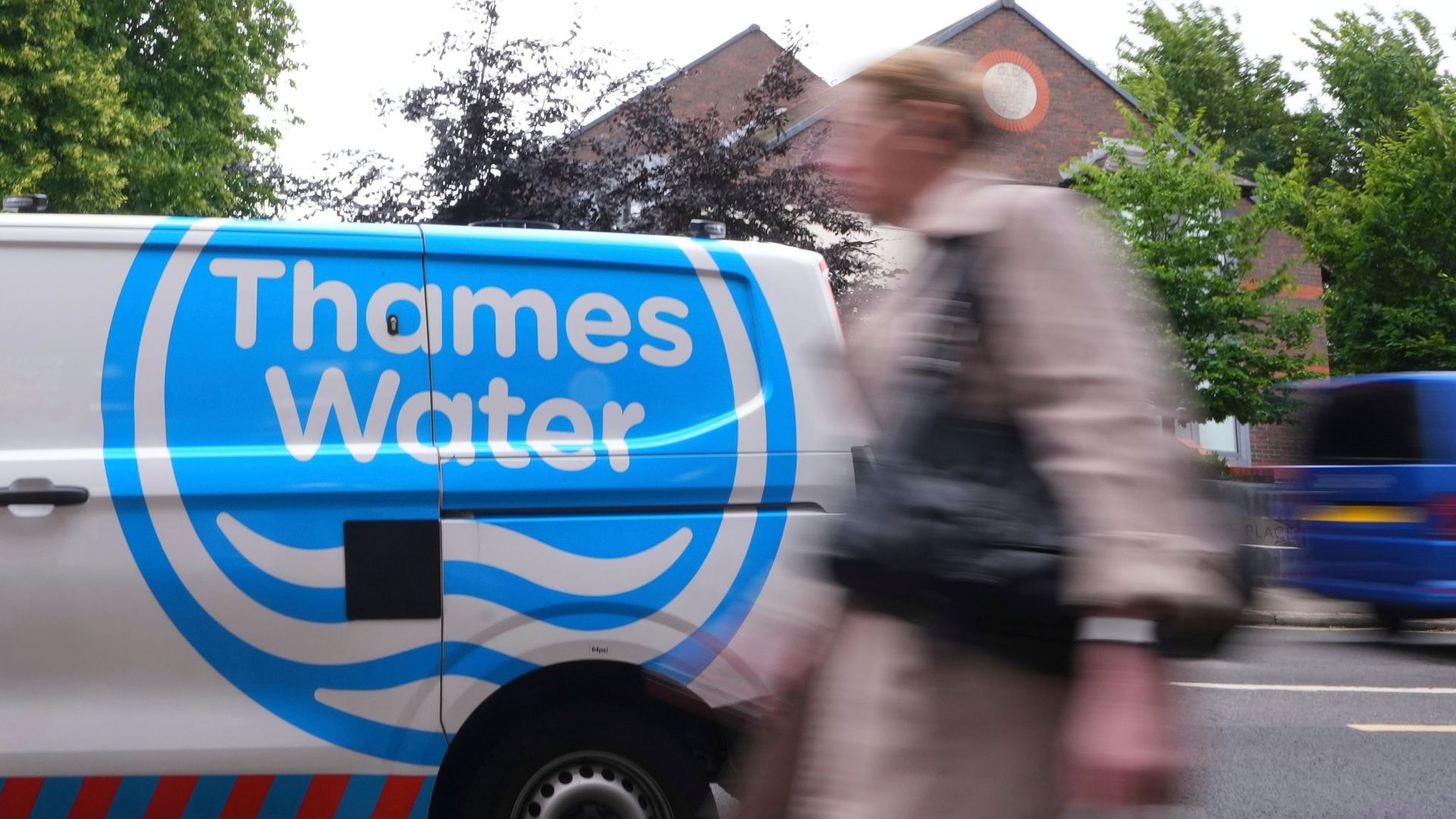
Thames Water is staring down the barrel of collapse. Creditors aren't waiting around for the government to save them. They are taking matters into their own hands. A group of lenders holding billions of pounds of debt has decided to form an independent board. They want to architect a bailout bid before the utility company runs completely out of cash.
This move signals a massive shift in how corporate distress plays out in the UK utility sector. For months, everyone pointed fingers. Shareholders refused to inject fresh cash. Regulators stood firm on penalties. Management struggled to map out a sustainable future. Now, the people holding the debt are stepping into the driver's seat. They realize that letting the company slide into special administration could wipe out their investments completely. They need a viable rescue package, and they need it fast. Learn more on a related subject: this related article.
You might wonder how a water company serving millions of households ends up in this financial mess. The answer involves massive legacy debt, heavy capital expenditure requirements, and a regulatory framework that suddenly looks entirely unfit for purpose. When private equity owned the utility for years, billions flowed out in dividends while borrowing soared. Fast forward to today, and the chickens have finally come home to roost. Interest rates are higher. Infrastructure demands are through the roof. Pollution scandals have shredded public goodwill.
Building a shadow board isn't a normal Tuesday occurrence in corporate finance. It shows desperation, yes. But it also shows strategic intent. These creditors represent major institutional investors. They aren't casual bystanders. They hold billions in bonds and loans. If Thames Water goes under, the shockwaves will hit the entire British financial system. Pension funds and global asset managers have skin in this game. They cannot afford a disorderly collapse. Additional analysis by Reuters Business highlights comparable perspectives on the subject.
The Anatomy of the Debt Crisis
Let's look at the numbers. Thames Water sits on roughly fourteen billion pounds of debt. That figure alone makes your head spin. How do you service that mountain of liabilities when your regulator, Ofwat, caps the prices you can charge customers and slaps you with hefty fines for environmental failures?
The math stopped working a long time ago. Previous shareholders walked away when they realized Ofwat wouldn't grant them the financial leniency they demanded. They wanted higher customer bills and lower penalties. The regulator said no. The equity holders slammed the door. That left the company hanging by a thread.
Creditors watched this slow-motion train wreck with growing anxiety. They initially hoped a white knight would appear. No savior materialized. Private capital markets remain deeply skeptical of regulated utilities with massive environmental liabilities and antagonistic regulators. If nobody else is going to fix the plumbing, the lenders have to do it themselves.
Forming this alternative board lets creditors bypass standard management paralysis. They can negotiate directly with regulators, potential new equity partners, and government officials. They are drafting a restructuring plan that likely involves debt-for-equity swaps. Bondholders will take a massive haircut. That is the price of admission when a business model implodes. Taking a loss today beats losing everything tomorrow.
What This Means for Your Water Bills
You probably pay a water bill every month and wonder why a basic utility service is constantly in the headlines. The drama at Thames Water directly impacts everyday citizens. The company supplies water to a quarter of the UK population. It cannot simply stop turning on the taps.
If the creditor-led rescue succeeds, it will require massive amounts of new capital to fix leaking pipes and upgrade Victorian sewage systems. Where does that money come from? It has to come from somewhere. Either new private investors inject equity, or customer bills rise significantly to fund the necessary infrastructure improvements. Ofwat faces an impossible balancing act. Protect hard-pressed consumers from soaring bills, or keep the utility solvent so it doesn't fail catastrophically.
Government ministers keep insisting they won't bail out the company using taxpayer money. That sounds good on the campaign trail, but the reality is much murkier. If Thames Water enters special administration—a form of government-backed insolvency—the state effectively takes temporary ownership. Taxpayers foot the bill for the stabilization process. Nobody in Whitehall wants that headache. They would much rather let these creditors take the financial pain and restructure the debt behind closed doors.
The Regulatory Standoff
Ofwat holds immense power in this drama. The regulator dictates what profits utility companies can make and how much they can charge. For years, critics argued that regulators were too soft on water monopolies. Now, critics argue Ofwat is too rigid, pushing companies toward insolvency by refusing to budge on financial terms.
The new creditor board must navigate this hostile regulatory landscape carefully. They cannot force Ofwat to change the rules. They have to present a plan that satisfies regulatory demands for clean water and infrastructural investment while still offering a realistic return to whoever eventually owns the equity.
This creates a tense game of poker. Creditors want looser restrictions and higher revenue caps. Ofwat wants cleaner rivers, modernized pipes, and zero taxpayer bailouts. Compromise is mandatory, but finding common ground will not be easy. Every week that passes burns through more of the company's remaining cash reserves.
Lessons for Corporate Infrastructure
The troubles at Thames Water serve as a harsh warning for privatized infrastructure across the globe. Essential public services operated for profit face a fundamental tension. Shareholders want maximum returns. Society wants reliable service and environmental stewardship. When those two goals clash violently, the financial structure usually shatters first.
Other utility companies are watching this closely. If Thames Water successfully restructures through a creditor-led bailout, it sets a precedent. Lenders will know they cannot rely on infinite government bailouts, but they also know they can seize control when equity holders abandon ship.
You should expect more corporate shakeups in the utility sector over the coming months. Aging infrastructure demands capital that legacy funding models simply cannot provide. Investors are growing wary of regulatory penalties and political backlash.
Fixing Thames Water will take years, billions in fresh investment, and radical changes in how the company operates on a daily basis. The creditors building this bailout board know they are stepping into a mess. They also know they have no alternative. Keep an eye on how Ofwat responds to their proposals. That response will dictate whether this rescue succeeds or whether the government is forced to step in after all.