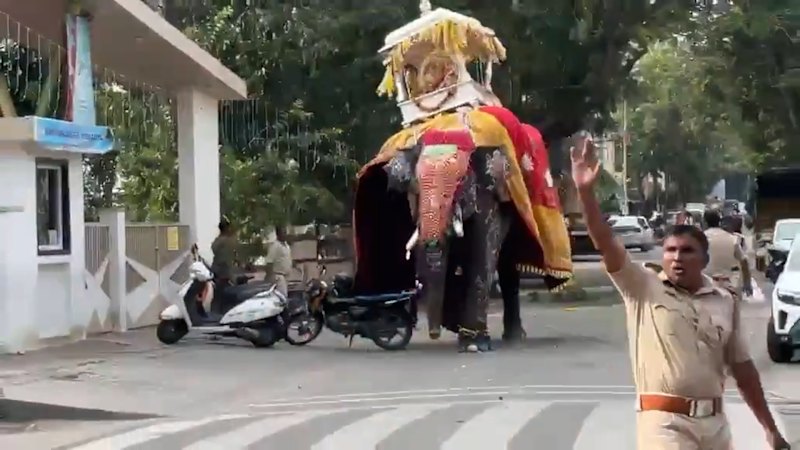
A four-ton animal surrounded by brass drums, blazing torches, and thousands of screaming people. Something snaps.
When a temple elephant runs amok, headlines usually paint it as a sudden fit of madness or a wild animal turning evil out of nowhere. Honestly, that story lets humans off way too easy. A captive Asian elephant (Elephas maximus) rarely loses control without a stack of physical, sensory, and emotional pressures building up first.
You see decorated bulls standing under hot sun for hours, chained near deafening percussion and fireworks, and people act shocked when four tons of muscle bolts into a crowd. If you spend enough time reading wildlife biology and watching how festival processions are run across South Asia, you start seeing a pattern. It's not magic, and it's not random. It's biology colliding with bad management.
What Actually Happens When a Temple Elephant Runs Amok
People toss around the word "amok" like a catch-all label for any aggressive or panicked elephant. Biologists and elephant welfare researchers draw sharper lines.
Sometimes an elephant panics because of fear or pain. Loud firecrackers pop right beside sensitive ears. A handler jabs a heavy iron hook—an ankus—into tender skin behind the ear or along the ear flap. Bright camera flashes go off inches from its face. That kind of charge is often flight or defensive panic, even if it looks terrifying from across a street.
Other times, the trigger is musth. Musth is a natural periodic condition in adult male elephants marked by a sharp spike in reproductive hormones, particularly testosterone, along with fluid discharge from the temporal glands on the sides of the head. During musth, bulls become restless, irritable, and much more reactive to rivals, noise, and restraint. Even outside musth, chronic stress, boredom, foot pain from standing on hard concrete or asphalt, and isolation from other elephants can push a bull past its limit.
Look at the setting in that photo. Crowds packed shoulder to shoulder. Ornate caparisons and umbrellas adding weight and visual clutter. Now imagine noise bouncing off stone walls and thousands of bodies pressing close with nowhere for a large animal to step back.
Why Festival Crowds and Noise Push Elephants Over the Edge
Elephants aren't built for noisy street parades. Wild Asian elephants live in complex social groups, move across wide territories, forage for hours on grasses, bark, and leaves, and use low-frequency rumbles and subtle body language to navigate their world.
Captive temple elephants often live the opposite life. Many spend long stretches tethered in small yards or stalls, sometimes standing on hard surfaces that strain joints and feet. When festival season arrives, they get hauled out into chaotic environments that violate almost every comfort instinct they have.
- Acoustic overload: Elephant hearing is finely tuned to low frequencies and subtle sounds, yet festival processions blast drums, cymbals, horns, and firecrackers at close range.
- Thermal stress: Heavy ceremonial gear traps heat, and standing on sun-baked pavement or concrete in tropical heat drains stamina fast.
- Physical crowding: People rush forward to touch the trunk, take selfies, or toss offerings, invading the elephant's personal buffer zone.
- Handler tension: When a mahout—the elephant's keeper and rider—gets nervous, tired, or rough, the elephant picks up on the tension and conflict immediately.
I've watched people argue that "these elephants are used to it" because they've marched in festivals for years. That argument doesn't hold up under scrutiny. Tolerance isn't safety. An animal can endure loud crowds ten times and still snap on the eleventh when pain, fatigue, or hormonal agitation tips the scale.
Musth Myths vs. Captive Reality
One of the biggest misconceptions around temple elephant runs amok stories is that musth is just a routine inconvenience a good mahout can simply muscle through. It isn't.
Musth is a real physiological state documented across elephant research by groups like the IUCN Asian Elephant Specialist Group and WWF. A bull in musth can show heightened aggression, unpredictable bursts of energy, and intense drive. Keeping a bull in heavy chains or parading it in public during musth is a recipe for disaster.
Look at the size of the head and tusks on a mature bull like the one shown here. Even a calm adult male carries immense momentum. When fear, pain, or musth enters the picture, trying to stop a charging bull with ropes, sticks, or shouting is basically like trying to stop a freight train with a garden hose.
There's also a gray area that gets overlooked in news reports. Not every runaway incident happens during a grand temple festival. Some happen during quiet morning walks, transport loading, or routine handling when an underlying health issue—like an infected foot abscess, dental pain, or chronic joint strain—makes an elephant lash out when touched.
What Authorities and Organizers Get Wrong—and What Works
When an incident makes headlines, officials often respond with quick-fix promises after the fact. Stricter-sounding rules get announced, committees form, and then the next festival rolls around with the same crowded lanes and tight schedules.
Welfare advocates, veterinarians, and wildlife researchers point to practical measures that actually reduce risk instead of just sounding tough on paper:
- Enforce strict musth isolation: Keep bulls in musth completely out of public events and parades, with secure, quiet housing and dedicated veterinary oversight until hormones settle.
- Audit fitness before every event: Have qualified veterinarians check feet, joints, eyes, and overall stress levels before an elephant joins any procession—not just rubber-stamp paperwork.
- Create real crowd buffers: Put physical barriers between spectators and elephants so people can't crowd the trunk, throw items, or block escape routes.
- Cut extreme noise and heat exposure: Limit loud percussion and firecrackers near animals, schedule movements away from peak midday heat, and provide rest and shade.
- Invest in mahout welfare and training: Many mahouts work low-paid, high-risk jobs with little support; humane handling relies on skilled, calm keepers who aren't pushed into cutting corners by event organizers.
To be fair, reform isn't simple on the ground. Some temples rely on centuries-old traditions tied to local identity and livelihood, and caring for a large elephant long-term is expensive. Still, tradition shouldn't mean ignoring basic animal welfare or putting bystanders in harm's way. When a procession puts both public safety and elephant health on a razor's edge, the tradition itself has to adapt.
Practical Steps If You Attend or Cover Elephant Events
If you're traveling through a region known for temple processions, planning a story, or deciding whether to attend an event featuring captive elephants, a few grounded choices matter right away:
- Skip close-up "blessing" or photo lines: Don't walk up to an elephant's head or trunk for photos, even if locals or handlers wave people closer.
- Watch for warning signs early: Notice temporal gland discharge, restless head swinging, ear flapping, or anxious pacing—if you see signs of stress or agitation, step well back and leave the immediate area.
- Check welfare standards before supporting venues: Look up independent reports from wildlife organizations rather than relying on festival brochures or tour operators.
- Report unsafe handling calmly: If you witness an animal in distress or crowd crush conditions, alert event security or local wildlife authorities without creating panic near the animal.
A temple elephant runs amok story shouldn't end with wide-eyed shock at a "rogue beast." Most of the time, the warning signs were sitting right there in plain sight long before the crowd started running.