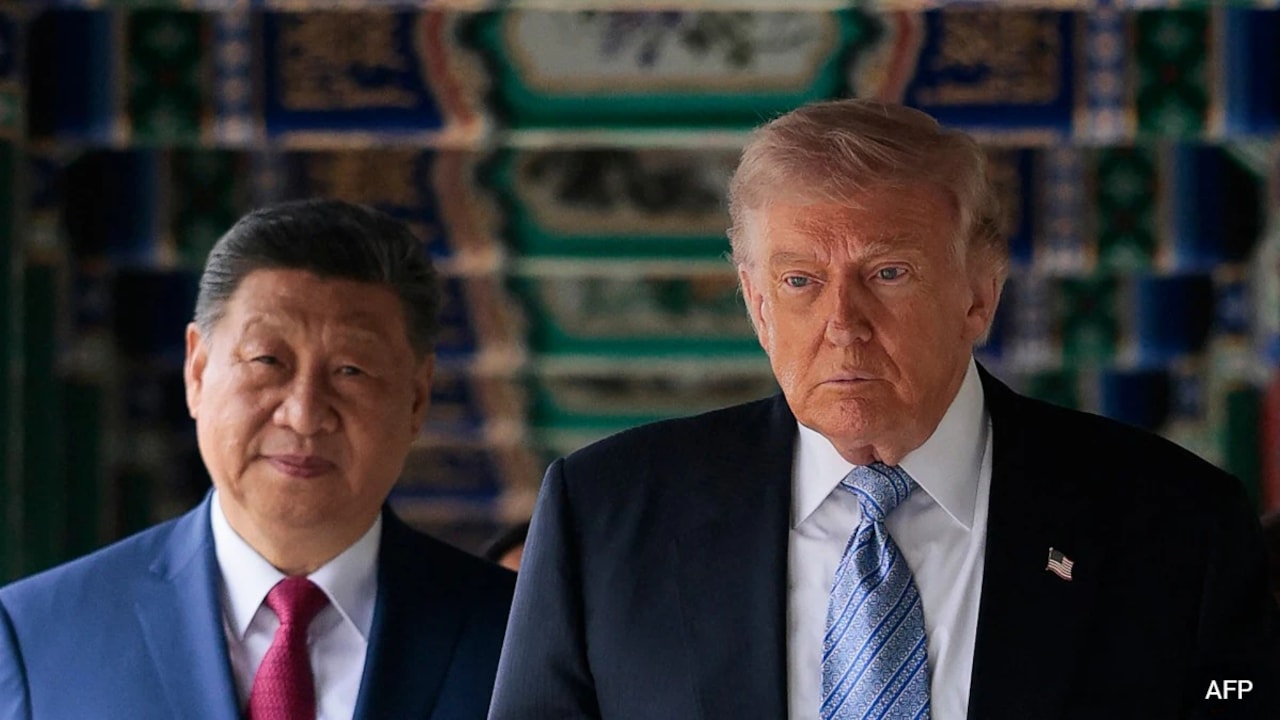
Every time a handful of billionaires gets summoned to Washington for a high-profile dinner, the media treats it like the constitutional convention for the digital age. Headlines scream about Xi and Trump breaking bread with tech royalty, framing the photo-op as a monumental geopolitical turning point.
It is theater. Expensive, exhausting, entirely choreographed theater. Meanwhile, you can find similar events here: Why Panic Over Rogue AI Access Is Total Nonsense.
While pundits hyperventilate over seating charts and champagne toasts, the real mechanics of global technology policy are being written by mid-level regulators in Brussels and obscure standards bodies in Geneva. If you think a catered meal between political principals and executives whose supply chains are already permanently fractured will alter the trajectory of the hardware cold war, you are falling for the oldest trick in the public relations playbook.
I have watched executives spend quarters chasing access to political powerhouses, only to get fleeced by empty promises while their actual margins bleed out from compliance overhead. Let us look at what is actually happening beneath the glossy surface of these summits. To explore the full picture, check out the excellent analysis by Engadget.
The Illusion of Proximity
The lazy consensus in modern commentary is that access equals influence. If a founder sits across the table from a head of state, the company wins concessions, tariffs drop, and regulatory exemptions magically materialize.
History says otherwise.
Political actors do not negotiate billion-dollar sovereign infrastructure over appetizers. They use Silicon Valley figureheads as props to project economic control to domestic voters. When an executive flies halfway across the world for a White House dinner, they are not crafting policy; they are paying an invisible tax in time and optics.
The structural divergence between state interests and corporate imperatives is simply too wide to bridge over ribeye. Governments want domestic job creation, data sovereignty, and leverage over critical infrastructure. Tech firms want frictionless global markets, talent mobility, and maximum return on research and development capital. Those goals are fundamentally zero-sum. You cannot dine your way out of a structural contradiction.
The Supply Chain Reality No One Mentions
Let us address the elephant in the room that every mainstream report glosses over: physical reality.
Semiconductors are not software. You cannot update silicon over the air. When political pressure forces companies to decouple or dual-shore manufacturing, the cost is measured in billions of dollars and years of delayed execution.
A dinner invitation does not repeal the laws of physics or solve the talent deficit in advanced lithography. Executives who pretend they can charm their way out of export controls are selling false hope to their shareholders. The real power does not rest with the person signing the guest list; it rests with the engineers designing the next generation of gate-all-around transistors and the materials scientists securing neon and rare earth elements.
If you want to understand where the technology sector is heading, ignore the guest list of a state dinner and look at capital expenditure allocations for foundry buildouts in Arizona, Taiwan, and Dresden. Follow the silicon, not the silverware.
The Compliance Trap
There is a dark side to this cozy relationship between capital and government: regulatory capture disguised as partnership.
When big technology firms cozy up to political leaders, they often advocate for stringent rules under the guise of safety or ethics. Why? Because compliance moats keep nimble startups out. A mature enterprise can afford a compliance army of thousands; a ten-person garage operation cannot.
By playing ball with political elites, established giants help build regulatory cages that lock in their dominance while pretending to serve the public interest. It is a brilliant corporate strategy, but it has nothing to do with innovation. It is about rent extraction. Every time an executive smiles for the cameras at a diplomatic summit, they are quietly pulling the ladder up behind them.
What You Should Do Instead
Stop worshiping proximity. Stop reading tea leaves from guest lists.
If you are building a business or allocating capital today, treat political posturing as white noise. Focus entirely on supply chain resilience, cryptographic security, and raw execution velocity. The firms that survive the coming decade of fragmentation will not be the ones with the best Washington lobbyists or the most frequent invites to state dinners. They will be the ones that can operate autonomously across fractured jurisdictions without missing a beat.
The next time you see a headline about tech titans dining with presidents, remember what is actually happening. It is a photo-op. Turn the page and look at the balance sheets.