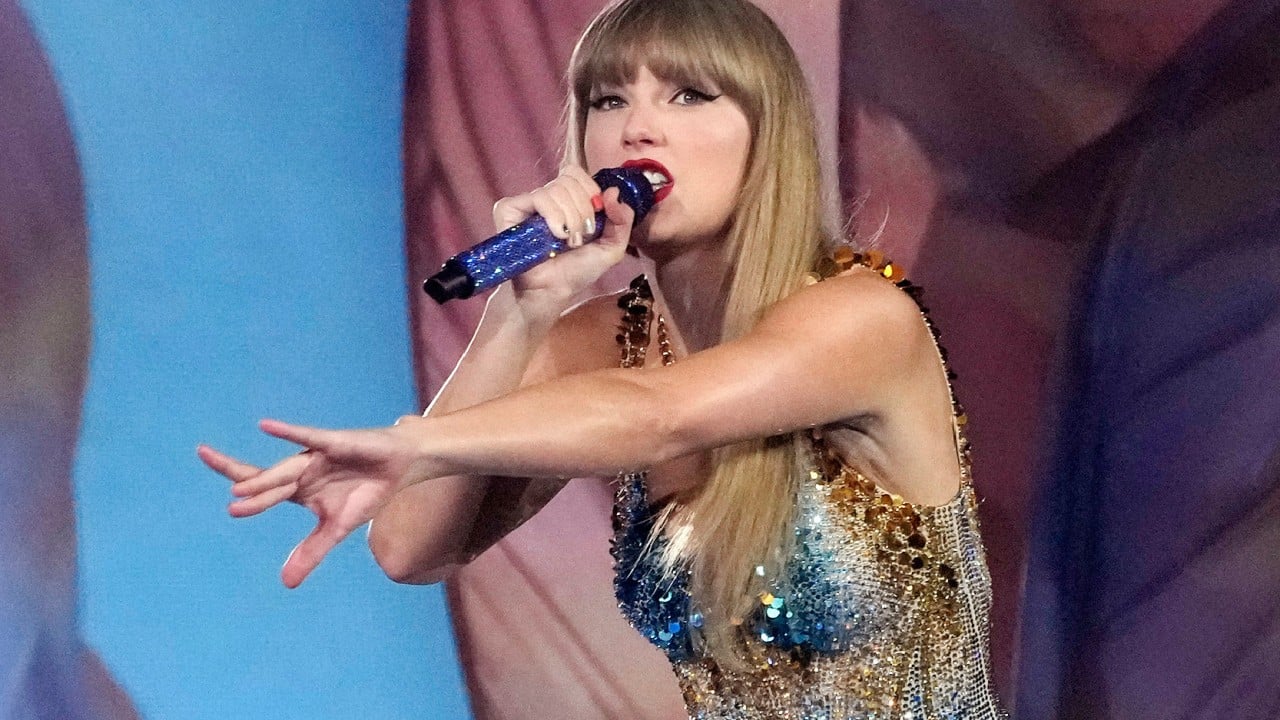
Taxpayers always panic when a billionaire shuts down half of Manhattan for a weekend party. When Taylor Swift married NFL star Travis Kelce at Madison Square Garden this month, rumors flew that the massive security operation would cost New York City a cool million.
It didn't. New York City Mayor Zohran Mamdani cleared the air at a press conference, confirming that Swift already paid the city more than $160,000 to cover the permits and the required police response.
That number sounds incredibly low for a two-day celebrity gauntlet that drew a thousand guests, clogged midtown streets, and demanded heavy NYPD deployment. It forces us to ask how the city calculates the cost of celebrity chaos, and whether everyday citizens are footing the hidden bill.
The Math Behind the Madness
People hear "$160,000" and think it is pocket change for a woman worth an estimated $2 billion. Honestly, it is. But the city doesn't charge you based on your net worth. It charges based on standard administrative fees for street closures, public assembly, and baseline municipal responses.
Swift didn't just write a casual check to the local precinct. The $160,000 went directly into securing a highly specialized permit that was finalized only days before the ceremony. Mayor Mamdani made it clear that this specific permit fee covers the city's necessary expenses, including the police overtime tied directly to managing the crowds and traffic outside Madison Square Garden.
But don't assume that $160,000 represents the actual cost of keeping Taylor Swift safe.
Private Security vs Public Policing
The NYPD isn't acting as Taylor's personal bodyguard squad. Their job is crowd management, traffic rerouting, and maintaining public safety on the surrounding streets like 31st Street.
- The City's Job: Setting up barricades, managing the hundreds of paparazzi and fans, and keeping the peace on public property.
- The Private Roster: Swift’s team relies on elite private security firms to handle everything inside the venue. They handle the guest screening, VIP protection, and internal logistics.
Forbes estimated the total wedding cost exceeded $20 million. A massive chunk of that went toward private security operations, meaning the $160,000 paid to NYC was just a fraction of the actual security apparatus.
Do Taxpayers Get Stuck With the Rest
This is the big debate playing out across Reddit and New York neighborhoods. Critics argue that shutting down a major transit hub like the area around Madison Square Garden disrupts small businesses and creates traffic nightmares that cost the city money in lost productivity.
The reality of how NYC handles large private events is a bit more bureaucratic. The city uses reimbursable police service agreements for events that require extra resources. When the permit fee is structured correctly, it offsets the direct overtime hours clocked by the officers on site.
You also have to look at the massive economic injection an event like this brings. Swift and Kelce reportedly donated $26 million to several charities before tying the knot. Their wedding brought a massive influx of spending to local builders, florists, caterers, and hospitality staff in Manhattan.
How to Handle High Profile Event Permitting
If you're planning an event that requires public resources—even if it's on a much smaller scale than a pop star's wedding—you need to understand how municipal billing works so you don't get hit with unexpected fees.
First, file your public assembly and street closure permits months in advance. Swift's team had the leverage to finalize things days before the event, but normal organizers will get rejected for trying that.
Second, factor in the cost of mandatory city services. If your event blocks a sidewalk or attracts a crowd that impacts traffic, the city will mandate a police presence, and you will be billed for that response via the permit structure.
Budget for private security separately. Relying on local police to secure your actual venue is a massive mistake. Public police protect public spaces; you are responsible for everything that happens behind closed doors.