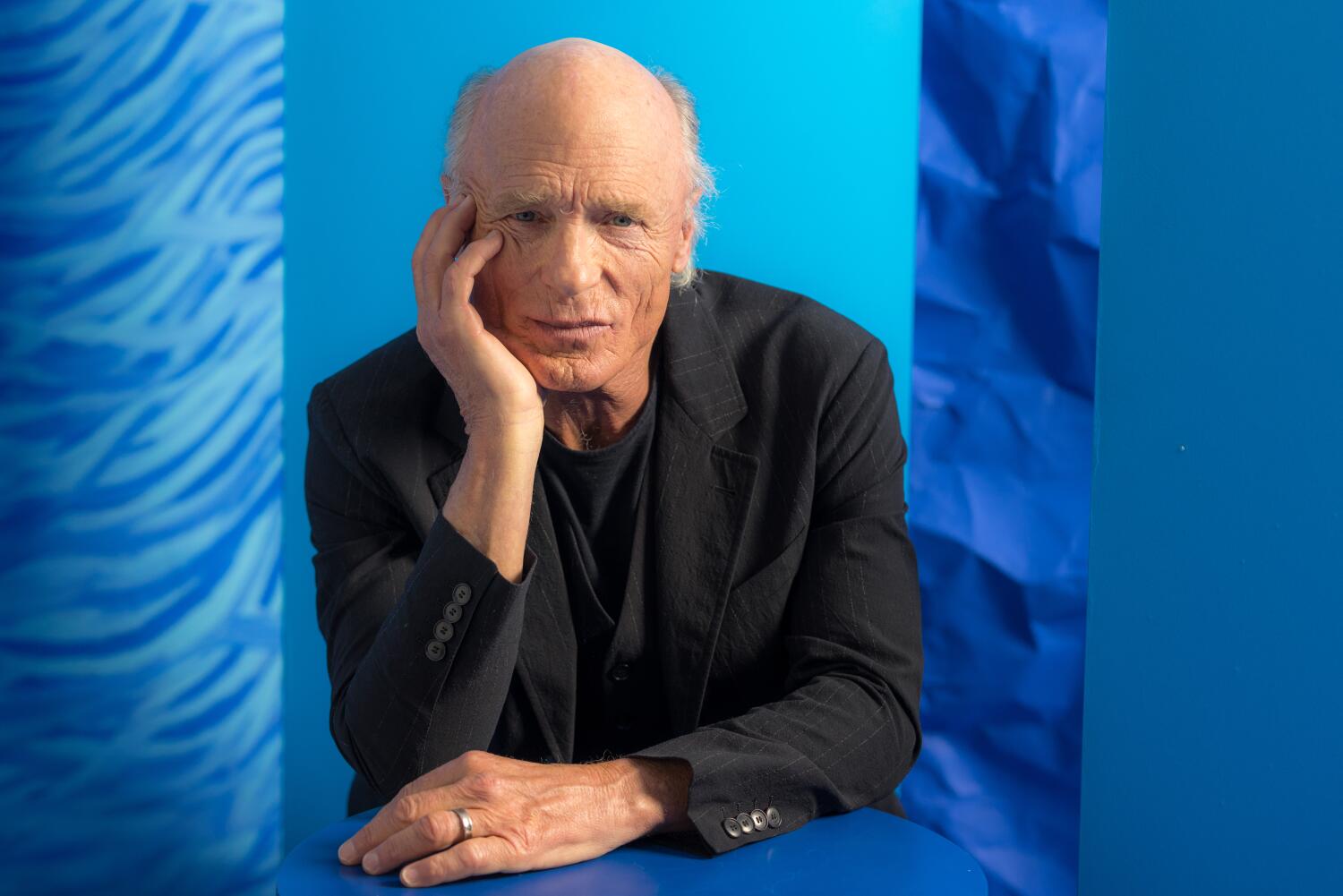
The friction between legacy movie talent and high-volume television production stems from a structural misinterpretation of talent utilization. When veteran actor Ed Harris publicly expressed dissatisfaction regarding his role as veterinarian Everett McKinney in Paramount’s Yellowstone spin-off, Dutton Ranch, he signaled a clear breakdown in modern ensemble television production. Harris reported feeling "misled" during the development pitch, explicitly stating that he was sold a narrative structure featuring four primary leads, only to discover his screen time rendered him functionally "underused and inconsequential" during execution.
Understanding this conflict requires looking past media drama and examining the underlying structural mechanics of narrative architecture, talent acquisition metrics, and post-production editing choices.
The Structural Mechanics of Talent Misallocation
High-profile ensemble dramas rely on bringing in established film actors to build credibility, establish brand value, and secure immediate viewer adoption. However, a structural asymmetry often emerges between what is promised during talent negotiation and what the narrative engine can sustain.
This breakdown occurs across three distinct structural phases:
- The Pitch Asymmetry: Production teams pitch prospective leads based on character arcs mapped across an entire series outline. For an actor of Harris's caliber—accustomed to defined, concentrated narrative arcs in feature films—the promise of being "one of four main characters" implies parity in both screen time and thematic agency.
- The Execution Bottleneck: Modern neo-Western narratives operate under severe plot density constraints. When established franchise figures (such as Kelly Reilly’s Beth Dutton or Cole Hauser’s Rip Wheeler) occupy the majority of core story driver roles, supporting heavyweight talent gets relegated to functional exposure. The character becomes an operational asset—diagnosing cattle diseases, treating wounded personnel—rather than an active protagonist driving the overarching plot.
- The Perception Gap: The fundamental disconnect often exists between execution (how it feels to shoot) and final consumption (how it edits together). Harris noted that while the finished product appeared "pretty good" and made the character seem "relatively important to the story," the actual process of shooting sparse, utilitarian scenes left him ready to walk away mid-season.
[Development Pitch: 4 Lead Structural Model]
                 │
                 ▼
[Production Reality: Narrative Focus Concentrates on Established Core]
                 │
                 ▼
[Talent Friction: High-Value Talent Relegated to Functional Exposition]
The Cost Function of Narrative Trimming
The friction peaked over a cut scene in the second episode. Harris recorded and filmed a musical bar scene—a specific character beat explicitly promised during his contract negotiation—only for it to be removed entirely in post-production to preserve a darker tonal trajectory for the episode’s conclusion.
From a production engineering standpoint, editing decisions balance thematic pacing against character equity:
- Tonal Homogeneity vs. Character Depth: Cutting a lighter, character-building beat to protect a dramatic episode ending prioritizes immediate atmospheric consistency over long-term talent satisfaction.
- Contractual Breach Perceptions: When specific creative incentives (such as musical performances or solo narrative beats) are pitched to secure talent and subsequently cut, it compromises trust between the actor and the showrunners. For talent operating with decades of creative autonomy, these cuts represent a breach of implicit production terms, prompting contract voiding discussions.
Operational Frameworks for Ensemble Talent Retention
Preventing high-level talent churn in long-form television requires realigning production practices with narrative promises. Shows that successfully integrate premier talent without sacrificing narrative pacing rely on three structural adjustments:
Narrative Equity Mapping
Showrunners must institute strict narrative equity tracking during the script-writing process. If an actor is contracted as a primary lead, their character must drive primary conflict loops rather than merely servicing the actions of other leads. If a character exists solely to resolve secondary obstacles for the primary leads, they operate as a supporting asset, regardless of their billing status.
Real-Time Production Transparency
The discrepancy between the experience of filming and the final edit can be mitigated through active feedback loops during production. When tonal cuts are required in post-production, clear communication mechanisms must replace silent editorial removals. Unilateral cuts to promised character beats directly damage working relationships with elite talent.
Rebalancing Narrative Control
As executive producer Cole Hauser and co-star Kelly Reilly acknowledged following public scrutiny, correcting a talent misallocation requires shifting the narrative weight in subsequent production cycles. Re-architecting Season 2 to position Harris's character as a central driver rather than a peripheral asset is an essential course correction.
Production houses aiming to retain top-tier talent in serialized television must enforce strict alignment between pre-production character commitments and post-production edit suites. When talent promises match script delivery, multi-season ensemble projects avoid contract-threatening friction and maintain critical creative momentum.