The corporate establishment is letting out a collective sigh of relief because a few polling data points suggest Swiss voters will reject the June 14 referendum to cap the nation's population at 10 million. Mainstream commentators are already patting themselves on the back, declaring that sanity has prevailed over the right-wing populism of the Swiss People’s Party (SVP). They tell you that a "No" vote saves the Swiss economy from self-destruction, preserves the bilateral treaties with the European Union, and keeps the spigots of foreign talent wide open.
They are fundamentally wrong. They are celebrating a stay of execution while ignoring the underlying disease.
The lazy consensus dominating the narrative assumes that voting down the "Sustainability Initiative" resolves the crisis. It does not. The establishment is treating the referendum like a binary choice between economic growth and isolationist stagnation. The brutal reality is that Switzerland is trapped in a structural paradox where both paths lead to a decline in the quality of life. The poll numbers indicating a late-stage surge for the "No" camp to 52% do not represent a mandate for the current economic model; they represent a vote of sheer panic over a sudden rupture with the EU.
By obsessing over the political horse race, analysts are missing the structural reality: Switzerland has built an economic engine that requires an unsustainable influx of human capital to survive, yet lacks the physical space and social tolerance to absorb it. Whether the cap passes or fails, the Swiss miracle is hitting a hard ceiling.
The Myth of the Infinite Multiplier
Corporate lobbyists and trade unions have spent millions convincing the public that immigration is an unalloyed net positive for the Alpine state. They point to the 9.1 million population figure and credit the free movement of people with driving gross domestic product (GDP) growth. But they are intentionally conflating aggregate GDP with GDP per capita.
I have watched corporate boards play this shell game for two decades. It is easy to show top-line growth when you simply inject hundreds of thousands of high-earning EU professionals into the economy. But look closer at the domestic landscape. GDP per capita growth in Switzerland has been virtually stagnant for years. The country is not getting more productive; it is just getting larger.
This strategy is a corporate addiction. Instead of investing heavily in automation, deep tech infrastructure, or domestic labor force optimization, Swiss enterprises have used cheap, highly qualified imports from Germany, France, and Italy to mask structural inefficiency.
Imagine a scenario where a manufacturing firm in Solothurn needs to scale operations. Rather than re-engineering its assembly line with robotics, it simply hires ten engineers from Milan because the bilateral agreements make it easy. The company grows its revenue, the local canton boasts about job creation, but aggregate productivity remains flat. Multiply this across thousands of companies, and you get a country that is consuming its own infrastructure just to keep its economic metrics from dipping into the red.
The Physical Constraints of a Boutique Nation
The establishment argues that a rigid legal limit of 10 million is an artificial barrier that ignores market realities. They are right that a hard cap is a clumsy tool. However, their counter-argument—that the market will naturally self-regulate—ignores the immutable laws of geography.
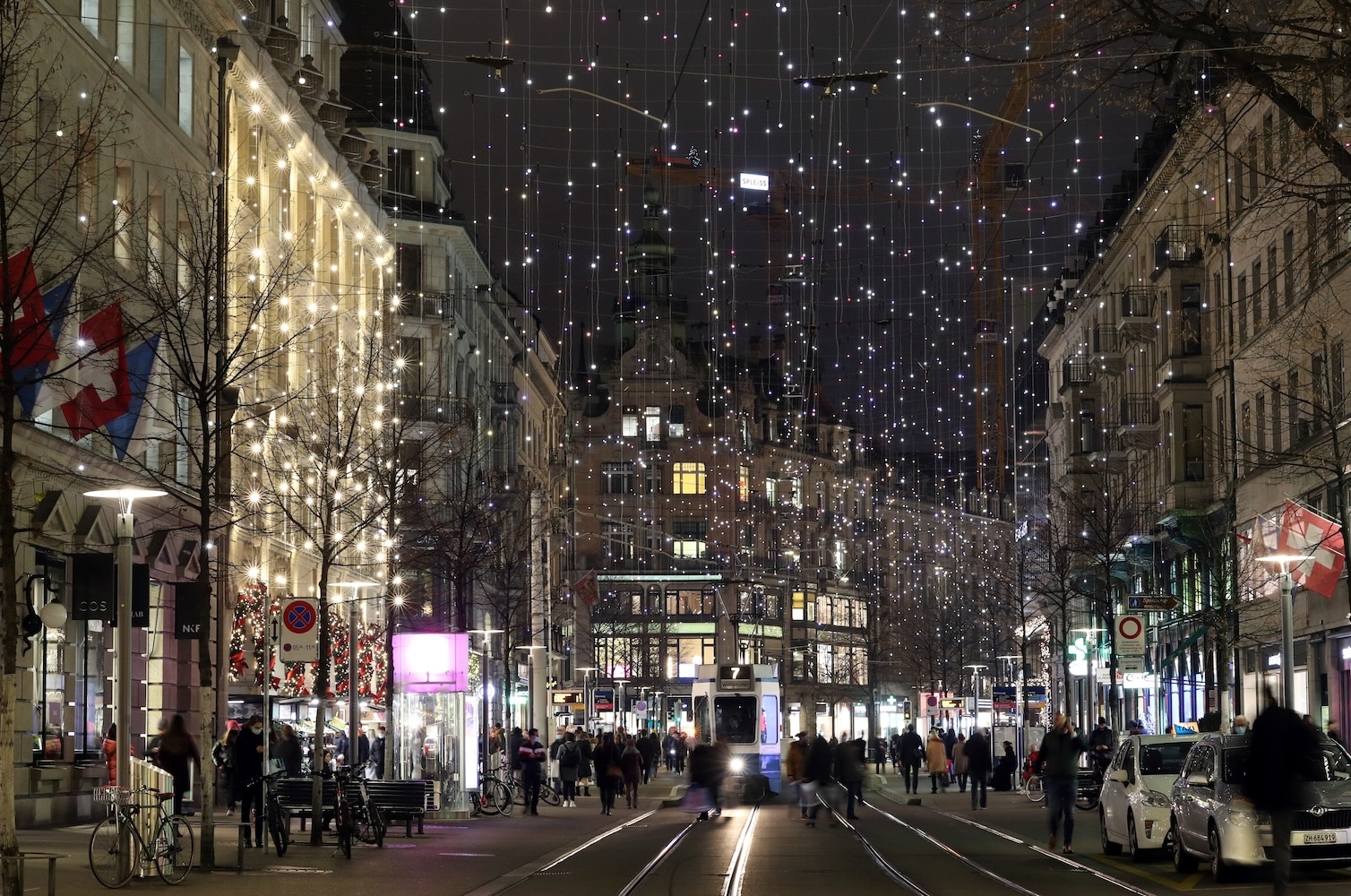
Switzerland is not the United States; it cannot just sprawl outward into suburban master-planned communities. The habitable zone of the country is constrained by the Alps, forcing the vast majority of the population into the narrow Central Plateau between Lake Geneva and Lake Constance. This region is already bursting at the seams.
The "No" camp claims that public infrastructure can simply be upgraded with more funding. This is pure fantasy. You cannot build a third deck on a railway line that is already running double-decker trains at two-minute intervals during rush hour. You cannot easily pave over the remaining agricultural land without triggering a massive environmental backlash from the very same progressive voters who are currently leaning toward a "No" vote to protect EU relations.
The housing market is already a disaster zone. In cities like Zurich and Geneva, vacancy rates are hovering near zero percent. Rents are skyrocketing, forcing middle-class Swiss citizens out of urban centers. The government’s proposed remedy—throwing public money at affordable housing—is a drop in the bucket when you are adding nearly 100,000 net residents per year. The physical footprint of the country cannot scale at the pace Wall Street or the Swiss National Bank desires.
The Welfare State Ponzi Scheme
The most cynical argument deployed against the 10 million cap is the defense of the welfare state. Economists have flooded the media with warnings that cutting off migration will bankrupt the old-age pension system (AVS) and send health insurance premiums into the stratosphere.
Their logic is seductive: foreign workers are generally young, healthy, and net contributors to the tax base. They pay into the system today to fund the retirements of the aging baby boomer generation.
This is the definition of a demographic Ponzi scheme. What happens when these young, tax-paying foreign workers eventually grow old and demand their own pensions and healthcare? To sustain the system then, Switzerland will need an even larger influx of immigrants, pushing the population toward 12 million, then 15 million.
The country is solving a temporary fiscal shortfall by creating a permanent structural crisis. Relying on an endless supply of external labor to fund domestic social security is a lazy substitute for real systemic reform. It delays the inevitable conversation about raising the retirement age, restructuring pension investments, and addressing the bloated costs of the domestic healthcare cartel.
The Illusion of a Safe "No" Vote
If the polls hold and the initiative fails on June 14, the media will frame it as a victory for stability. Do not believe it. A "No" vote will not restore the status quo; it will accelerate the friction between Switzerland and the EU.
The Federal Council is currently trying to negotiate a new package of bilateral agreements with Brussels. To appease a deeply skeptical public, Bern has insisted on including a "safeguard clause" that would allow Switzerland to unilaterally limit immigration if things get out of hand. But Brussels has zero interest in granting Switzerland a special status that undermines the core tenet of the single market.
By voting down the 10 million cap, voters are not giving the government a mandate to accept unfettered immigration. They are merely rejecting a reckless, immediate break with their largest trading partner. The underlying resentment among the electorate will remain. The moment the population hits 9.5 million—which current data suggests will happen within the next four years—the political pressure will boil over again.
The Swiss system of direct democracy ensures that this issue will never go away. If the establishment fails to curb the negative externalities of growth—the gridlock, the housing shortages, the erosion of local identity—the next initiative will be even more radical than the one on the ballot this month.
The Uncomfortable Path Forward
The true failure of the current debate is that neither side is offering a viable strategy for a mature, high-value economy. The SVP wants to yank the emergency brake without an airbag, threatening the trade relationships that keep the country wealthy. The corporate elite wants to keep the pedal to the metal, ignoring the fact that the road ends at a cliff face.
A superior approach requires admitting that growth for the sake of growth is a losing proposition for a premium, land-constrained nation. Switzerland needs to transition from a model of quantitative growth (more people, more volume) to qualitative growth (higher value, extreme efficiency).
- Tax Non-Productive Labor Influx: Cantons should stop giving tax incentives to multinational corporations that primarily bring low-value administrative or back-office jobs into the country. If a company wants to operate in Zug or Zurich, it must bring hyper-productive, high-margin functions that do not require massive headcount footprints.
- Mandate Aggressive Automation: Instead of importing labor to solve shortages in service, logistics, and agriculture, the state should use fiscal policy to force industries to automate. If a hospitality business cannot survive without importing low-wage workers from the EU, it should either innovate its service model or close.
- Decentralize the Economy: The federal government must stop fueling the hyper-concentration of population in the Central Plateau. Tax policy should heavily favor companies that establish operations in underpopulated alpine valleys or peripheral regions where infrastructure capacity actually exists.
This strategy is painful. It means some businesses will fail. It means top-line GDP growth will slow down, and corporations will no longer have an easy escape hatch for their staffing needs. But it preserves the one thing that makes Switzerland unique: its status as a highly functional, stable, premium society.
The upcoming referendum is not the end of the story. It is a warning shot. If Swiss leaders use a "No" vote as an excuse to double down on the lazy model of growth via population inflation, they will find that the 10 million limit wasn't just a political slogan—it was a physical reality they refused to acknowledge until it was too late.