Political earthquakes don't usually happen in Stockholm. For decades, the Nordic nation was viewed from the outside as a predictable bastion of social democracy, high taxes, and quiet consensus politics. That illusion shattered completely when Swedish voters went to the polls in a high-stakes general election, bringing the nationalist, right-wing populist Sweden Democrats to the center of national power.
If you think this was just another routine European election, you're missing the bigger picture. The shift inside the Riksdag exposed deep fractures in a society grappling with gang violence, immigration integration, and a biting cost-of-living crisis. Let's break down what actually happened, why the old political playbook failed, and what this means for the future.
The Ground Shift in Swedish Politics
For nearly a century, Swedish politics was dominated by the Social Democrats. They built the welfare state, shaped the national identity, and kept conservative factions largely sidelined. But voter priorities changed rapidly over the decade leading up to the vote.
When citizens cast their ballots, the dominant conversation wasn't about traditional tax rates or standard economic growth. It was about public safety. Decades of rising urban gang violence and failed integration policies created a profound sense of anxiety in suburbs and cities alike.
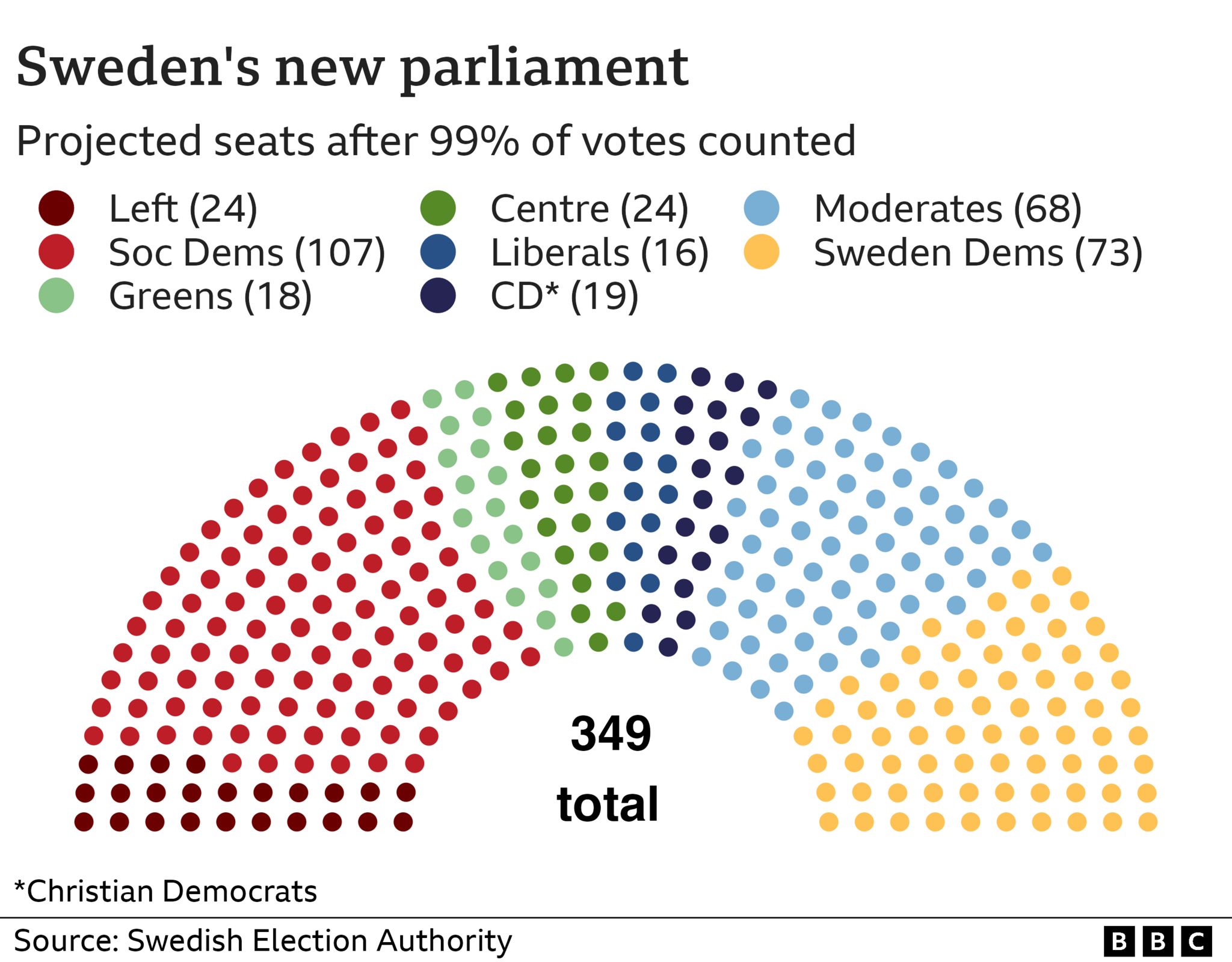
The Sweden Democrats, founded decades earlier with roots in extremist movements, spent years sanitizing their image, moderating their rhetoric, and focusing ruthlessly on law and order and strict immigration controls. That strategy worked. They secured over twenty percent of the popular vote, overtaking the traditional conservative Moderate Party to become the second-largest political force in the country.
How the Right-Wing Bloc Forged a Majority
A single party rarely governs alone in Sweden's proportional representation system. Instead, parties form blocs. The 2022 election came down to a razor-thin margin, with the right-wing bloc—comprising the Moderates, Christian Democrats, Liberals, and backed by the Sweden Democrats—securing 176 seats against the center-left's 173.
Ulf Kristersson of the Moderate Party managed to piece together a minority coalition government. But here is the catch that changed everything: his government relies entirely on the legislative support of the Sweden Democrats.
For years, the political establishment enforced a strict cordon sanitaire, refusing to cooperate with the Sweden Democrats due to their nationalist ideology. Kristersson broke that taboo. By bringing them into a formal cooperation agreement without giving them cabinet seats, he legitimized a party that the political elite had treated as untouchable for decades.
Why Traditional Parties Miscalculated
Centrist and left-wing politicians made a critical mistake for years. They dismissed voter concerns about crime and immigration as localized anxieties or outright xenophobia, refusing to offer hardline solutions.
When voters feel unsafe walking through their neighborhoods, moral lectures don't win elections. The Sweden Democrats capitalized on this disconnect. They framed themselves as the only political entity willing to speak honestly about structural failures.
Voters didn't necessarily embrace every facet of the party's platform, but they wanted a system reset. When mainstream parties ignore glaring public safety issues, fringe movements quickly fill the vacuum.
The Broader European Ripple Effect
Sweden's political pivot isn't an isolated anomaly. It mirrors a broader continental trend. From Italy to Finland, nationalist and right-wing populist parties are moving from the political margins into government halls.
When a country like Sweden—traditionally seen as a progressive global benchmark—embraces a hardline stance on immigration and law enforcement, it shifts the Overton window for the entire European Union. Discussions on border control, asylum caps, and national security that were once considered taboo in Brussels are now mainstream policy debates.
The Swedish experiment shows that no democracy is immune to rapid political realignments when public trust in institutional safety erodes. If traditional parties want to retain power, they have to address voters' everyday security concerns directly rather than pretending the problems don't exist.
Swedish Election 2022 Results Analysis
This broadcast breakdown from France 24 details the tense election night and the historic shift in Swedish parliamentary power.