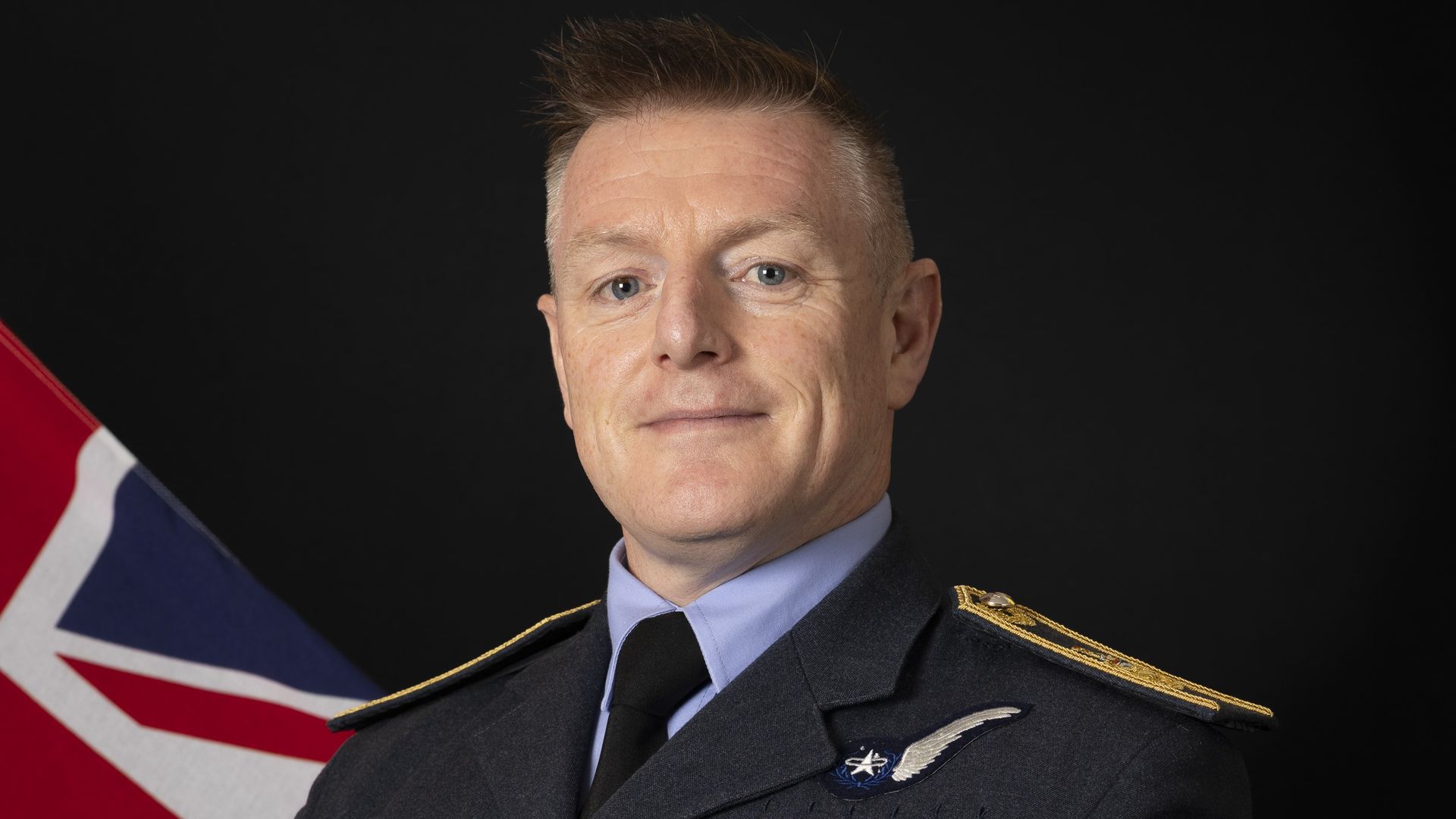
High-ranking military commands rarely dominate public headlines for internal conduct, but recent developments have thrust the upper echelons of Britain’s defense forces into unfamiliar scrutiny. Air Vice-Marshal Jamie Thompson, the head of UK Space Command, was suspended from his post following an arrest and a formal investigation led by the Defence Serious Crime Command.
The allegations involve a serious sexual offence alongside an associated inquiry into theft. For an organization tasked with protecting critical national satellite infrastructure and monitoring orbital threats, the leadership vacuum arrives at a delicate moment.
What Actually Happened at UK Space Command
The suspension of Air Vice-Marshal Thompson caught defense analysts flat-footed. Headquartered at RAF High Wycombe in Buckinghamshire, UK Space Command coordinates multi-billion-pound military space operations, bringing together personnel from the Royal Navy, British Army, and Royal Air Force.
When the Defence Serious Crime Command stepped in, they confirmed that an active Royal Air Force member had been arrested regarding reports of a serious sexual offence involving an adult, alongside separate theft allegations. Ministry of Defence officials moved swiftly to implement damage control. Air Vice-Marshal Thompson was suspended without prejudice, while Air Commodore Darren Whiteley stepped up as interim commander to keep day-to-day operations running.
The timing could hardly have been worse for the Ministry of Defence. The suspension leaked on the exact morning defense leadership was attempting to unveil a brand-new space squadron designed to guard against escalating geopolitical threats to orbiting assets. Instead of discussing satellite defense capabilities and orbital resilience, officials found themselves fielding questions about institutional misconduct and criminal investigations.
The Immediate Impact on Britain's Space Strategy
You might wonder how an individual's suspension impacts a sprawling military branch. Space Command isn't just about launching rockets; it handles satellite communications, threat monitoring, and intelligence gathering across contested orbits.
While interim leadership ensures that radar screens are monitored and satellites remain protected, high-level strategic alignment takes a hit. Major defense acquisitions, international partnerships with allied space agencies like NASA or US Space Command, and long-term capability rollouts require steady guidance. When a commander is abruptly removed under a cloud of criminal allegations, internal morale inevitably dips.
Junior officers and personnel watch how leadership handles misconduct at the top. If the response is transparent, rigorous, and unsparing, it builds institutional trust. If it feels sluggish or defensive, it erodes confidence down the ranks.
How the Defence Serious Crime Command Handled the Case
The involvement of the Defence Serious Crime Command (DSCC) is worth noting. Established to ensure independent, police-led investigations into serious crimes within the armed forces, the DSCC handles matters that used to be buried or mishandled under old internal chain-of-command mechanisms.
According to spokespersons close to the inquiry, the theft aspect of the investigation has already concluded and been forwarded to the Service Prosecuting Authority for a charging decision. Meanwhile, the investigation into the alleged serious sexual offence remains active.
This separation of inquiries highlights a stricter regulatory environment inside the armed forces. For years, critics argued that military hierarchies protected senior officers from external accountability. The swift arrest and public confirmation of Thompson's suspension signal a cultural shift toward civilian-style policing standards within defense structures.
Broader Implications for Modern Military Culture
Every modern military force is wrestling with how to root out abuse, sexual misconduct, and internal corruption. When commanders who embody institutional authority become subjects of serious criminal probes, it forces uncomfortable conversations.
Defense budgets are expanding rapidly to counter threats from foreign adversaries in low Earth orbit. Billions of pounds are flowing into hardware, telemetry, and launch capabilities. Yet money and technology mean little if internal governance fails.
The military cannot effectively project deterrence abroad if it cannot maintain basic standards of safety and trust at home. As the legal process moves forward, the Ministry of Defence faces mounting pressure to demonstrate that no rank is high enough to shield someone from accountability.
Keep a close eye on the Service Prosecuting Authority's upcoming decisions regarding the charges. The outcome of this case will set a precedent for how future misconduct allegations are managed at the highest tiers of British defense.