Summer in Italy is legendary for all the wrong reasons if you arrive unprepared. Temperatures in cities like Rome, Florence, and Milan regularly shatter records, frequently pushing past 40 degrees Celsius during peak afternoon hours. If you step outside around two in the afternoon wearing heavy denim and expecting a casual stroll through the Roman Forum, you'll regret it within minutes.
Most travelers make the fatal mistake of treating an Italian summer like any other vacation. They walk miles of open asphalt at high noon, skip hydration because they are busy hunting down the next historical monument, and wonder why they feel miserable by mid-afternoon. Beating the heat isn't about hiding in your hotel room with the AC running on maximum. It is about adopting local rhythms and understanding how Italians have managed these scorching conditions for centuries.
Embrace the Italian Rhythm
The locals figured this out long ago. You adapt or you melt.
Between one and four in the afternoon, Italian cities practically empty out. Shops close their shutters, streets quiet down, and sensible people head indoors for shade, food, and rest. If you try to power through the hottest hours of the day, you'll burn out fast.
Wake up early. The morning light across the Venetian canals or the quiet piazzas of Bologna before nine is unmatched. The air actually feels breathable. Use these morning hours for your heavy sightseeing, long walks, and outdoor photography.
Once the sun climbs high and the heat radiates off the old cobblestones, retreat. Find a shaded trattoria, order a long lunch, and stay put. You can pick up your itinerary again around five or six when the sun loses its sharpest edge and the evening breeze starts to drift in from the coast or the hills.
Master Local Hydration Rules
Bottled water sold at tourist kiosks near major monuments is a scam. It costs three times what it should, and you burn through plastic like nobody's business.
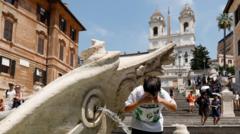
Italy has a secret weapon that most tourists walk right past. It is called the nasone, which translates to big nose, or simply the public drinking fountain.
In Rome alone, thousands of cast-iron fountains pump fresh, cold, potable water straight from mountain springs around the city. You don't need to buy water. Carry a sturdy metal flask and refill it constantly. If you spot a tiny hole near the top of the fountain's spout, block the main nozzle underneath with your thumb. The water shoots straight up into a clean, easy-to-drink arc.
Drink before you are thirsty. By the time you notice a dry throat, mild dehydration is already setting in, bringing headaches and fatigue right along with it. Pair your water intake with mineral-rich foods. Real Italian gelato, fresh melon, and salty prosciutto help your body retain what it needs to function when the thermometer climbs.
Choose Your Clothing Wisely
Pack light, loose, and breathable fabrics. Synthetic materials trap sweat and heat against your skin, turning your favorite shirt into a mobile sauna.
Stick to linen and lightweight cotton. Leave the skinny jeans at home. Wide linen trousers, breezy skirts, and loose shirts keep the air circulating around your body.
Footwear matters more than you think. Asphalt in Florence or Naples gets hot enough to fry an egg on during July afternoons. Thin-soled canvas shoes or cheap flip-flops will leave your feet aching and roasting. Wear supportive walking sandals or breathable mesh sneakers with thick soles that keep your feet elevated slightly off the burning pavement.
Don't forget a wide-brimmed hat and good sunglasses. UV levels in southern Europe during the summer months are brutal. Protecting your face and eyes isn't just about comfort; it prevents heat exhaustion from sneaking up on you while you stand in line at the Vatican.
Find the Hidden Microclimates
Tourists crowd into airless museums and packed indoor attractions because they think museums equal air conditioning. Many older Italian cultural sites have weak climate control or none at all to protect historic interiors, meaning you might trade outdoor heat for stuffy indoor humidity.
Instead, seek out natural cooling zones.
Churches are architectural masterpieces, but they are also magnificent natural air conditioners. Thick stone walls built centuries ago trap cool air inside. Step into almost any historic church during an afternoon heatwave, and the temperature drops by ten degrees instantly. It is quiet, respectful, and wonderfully cool.
Head underground if you get desperate. Ancient Roman basements, crypts, and catacombs offer a subterranean escape from the surface glare.
When you are by the coast, do not underestimate the power of the brezza marina. Coastal towns get active thermal winds in the afternoon. If you stay directly on the waterfront or rent a spot on a rocky outcrop rather than a stagnant inland cove, you'll catch a steady draft that makes the heat manageable.
Plan Your Sightseeing Strategically
Pre-booking tickets online isn't just about skipping the queue. It is about survival. Standing in a baking outdoor ticket line for the Colosseum under direct sunlight for two hours is a great way to ruin your entire holiday before you even step foot inside.
Book the earliest possible morning slot or the very last entry of the day. Sunset in an Italian summer happens late, often past nine at night, casting a golden glow over ancient ruins while dropping the temperature to something human.
If you must travel between cities during the peak afternoon hours, do it on the high-speed trains. Trenitalia and Italo trains feature blast-chilled air conditioning that offers a welcome oasis while the Tuscan countryside blurs past your window at three hundred kilometers per hour.
Stop fighting the climate. Slow down, drink from the fountains, wear linen, and let the afternoon heat pass you by while you sip an espresso in the shade.