Venture capital across Asia is funneling historic sums into neurotechnology and automated surgical systems, creating an ecosystem where high-stakes medicine meets aggressive financial speculation. Private equity firms and corporate venture arms are no longer treating specialized medical hardware as a long-horizon bet. They want immediate commercial velocity, driven by an aging demographic crisis that makes advanced interventions an urgent economic necessity rather than a luxury. Yet beneath the glossy press releases detailing multi-million-dollar funding rounds lies a more complicated mechanical and regulatory reality.
Capital is moving into Asian healthcare markets faster than local clinical infrastructures can absorb it.
The Demographic Engine Driving the Capital Wave
To understand why investors are suddenly obsessed with cranial navigation units and robotic arms, look at the population pyramids across East and Southeast Asia. Countries like Japan, South Korea, and China face accelerating demographic contraction. The ratio of working-age taxpayers to retirees is shrinking, while the prevalence of chronic neurological conditions, spinal degeneration, and oncological cases continues to climb.
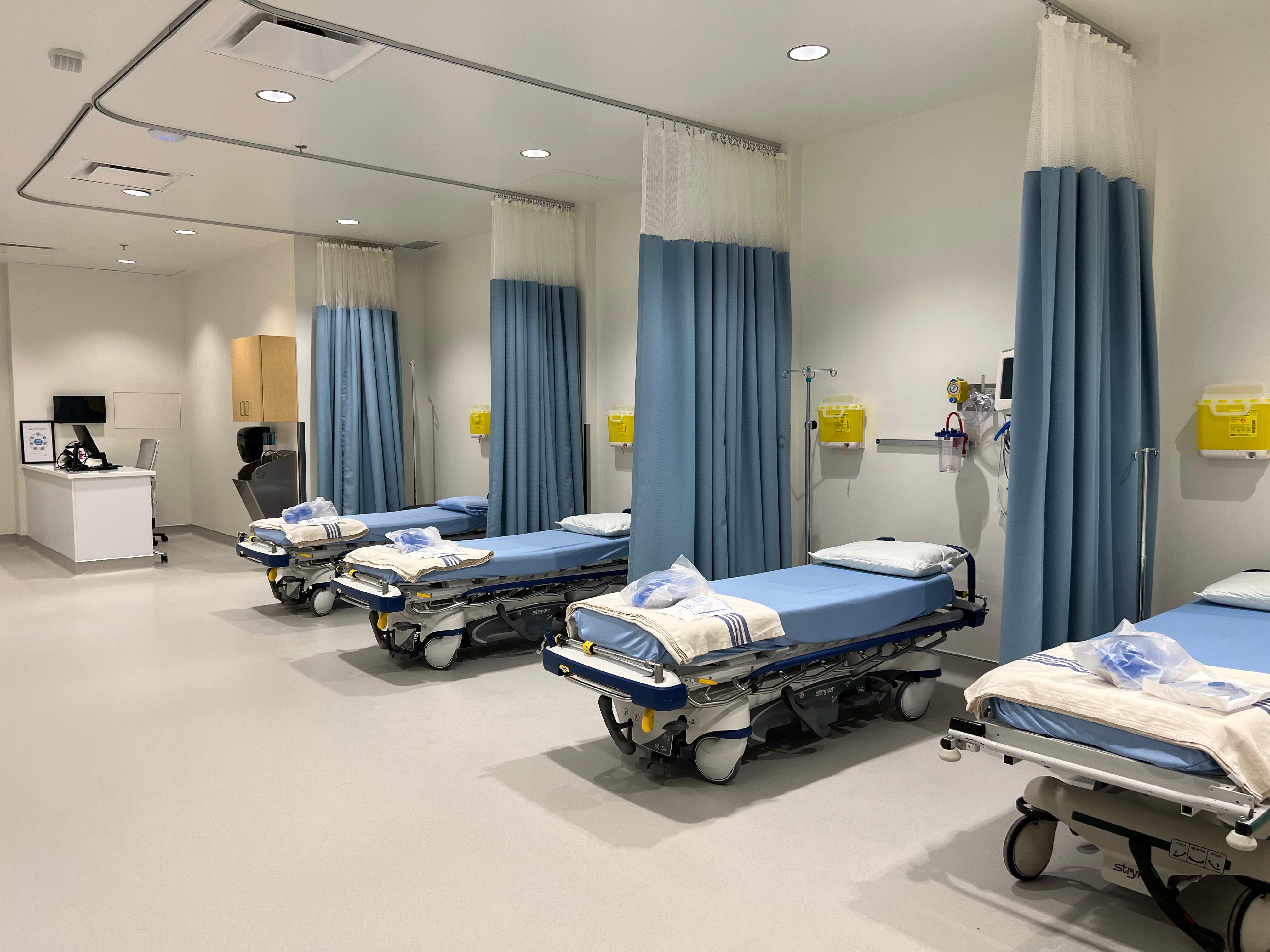
Hospitals are running out of hands. Experienced surgeons face crushing burnout rates, and the training pipeline for sub-specialties like neurosurgery takes decades.
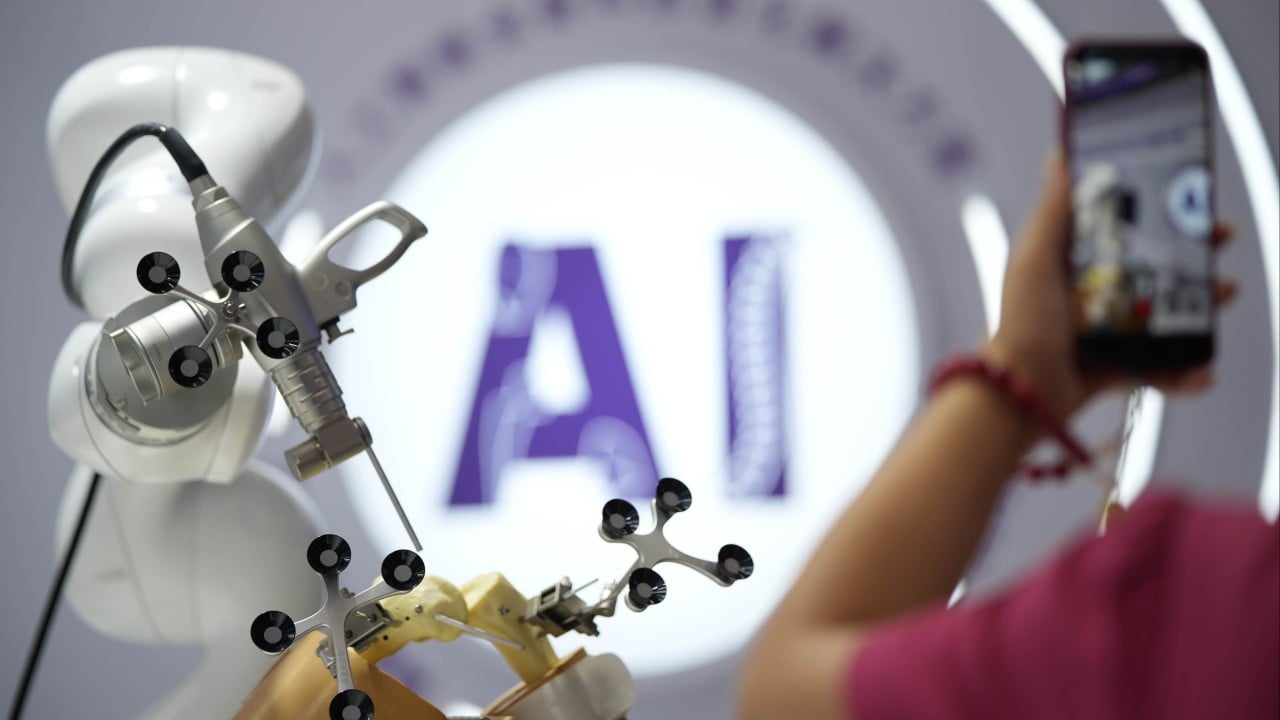
Robotic systems and advanced brain-computer interfaces offer a mathematical solution to a human resource shortage. Investors realize that automating precision tasks in the operating room is the only way healthcare systems will avoid total gridlock. A hospital equipped with an autonomous or semi-autonomous surgical assistant can theoretically run higher procedure volumes with fewer complications and shorter recovery times. This efficiency promises high margins, which explains why general partners are aggressively bidding up valuations for early-stage medtech startups in Seoul, Taipei, and Beijing.
Beneath the Hardware Hype
The narrative pushed by financial prospectuses is straightforward: western monopolies are being challenged by agile Asian engineering firms building cheaper, smarter surgical robots. Startups are rolling out frameless stereotactic navigation systems and high-definition cranial visualization tools that rival established Western platforms at a fraction of the cost.
The technical hurdles, however, are immense.
Building a pitch deck for a neurosurgical robot is easy. Securing regulatory clearance across multiple international jurisdictions while proving clinical equivalence to incumbents like Intuitive Surgical is an entirely different operational gauntlet. For instance, consider a hypothetical medtech startup in Singapore or Tokyo attempting to commercialize a novel brain-surgery guidance rig. Even with millions in fresh venture funding, the company must clear local clinical trials, manage supply chain bottlenecks for ultra-pure titanium components, and convince conservative hospital procurement committees to abandon decades-old analog habits.
Consumables form the hidden engine of this entire financial model. Hardware sales represent the initial hook, but the recurring revenue comes from proprietary single-use instruments, sterile drapes, and specialized software licenses. Investors know this dynamic well. They are underwriting the placement of robotic consoles today in exchange for a decade-long stream of high-margin consumable sales tomorrow. If a hospital buys the machine, it is locked into buying the proprietary accessories required to operate it.
The Valuation Trap and Clinical Realities
Valuations for these specialized medtech firms have detached themselves from near-term revenue fundamentals in several key markets. Syndicate leads are often pricing startups based on total addressable market projections rather than current hospital adoption rates.
Hospital adoption is notoriously slow. Operating rooms are risk-averse environments. A chief of surgery will rarely switch to a new robotic platform simply because a venture capital firm closed a Series B funding round. Trust is earned case by case, complication by complication. When a mechanical arm interacts with delicate brain tissue or spinal cords, zero margin for error exists. A single software glitch or hardware calibration failure can destroy a company overnight and trigger severe regulatory crackdowns.
Furthermore, domestic reimbursement policies across Asian markets remain deeply fragmented. While countries with robust national health insurance schemes have established clear pathways for robotic-assisted procedures, other developing markets rely heavily on out-of-pocket spending. This creates a bifurcated market where elite urban medical centers buy cutting-edge hardware to attract medical tourists, while regional public hospitals make do with legacy tools.
The current wave of healthcare investments in Asia will undoubtedly leave behind a transformed clinical landscape, but not every well-funded startup will survive the transition from prototype to standard of care. The winners will not be determined by who raised the largest syndicate, but by whose machinery can prove, year after year, that it makes the human hand obsolete without making mistakes.