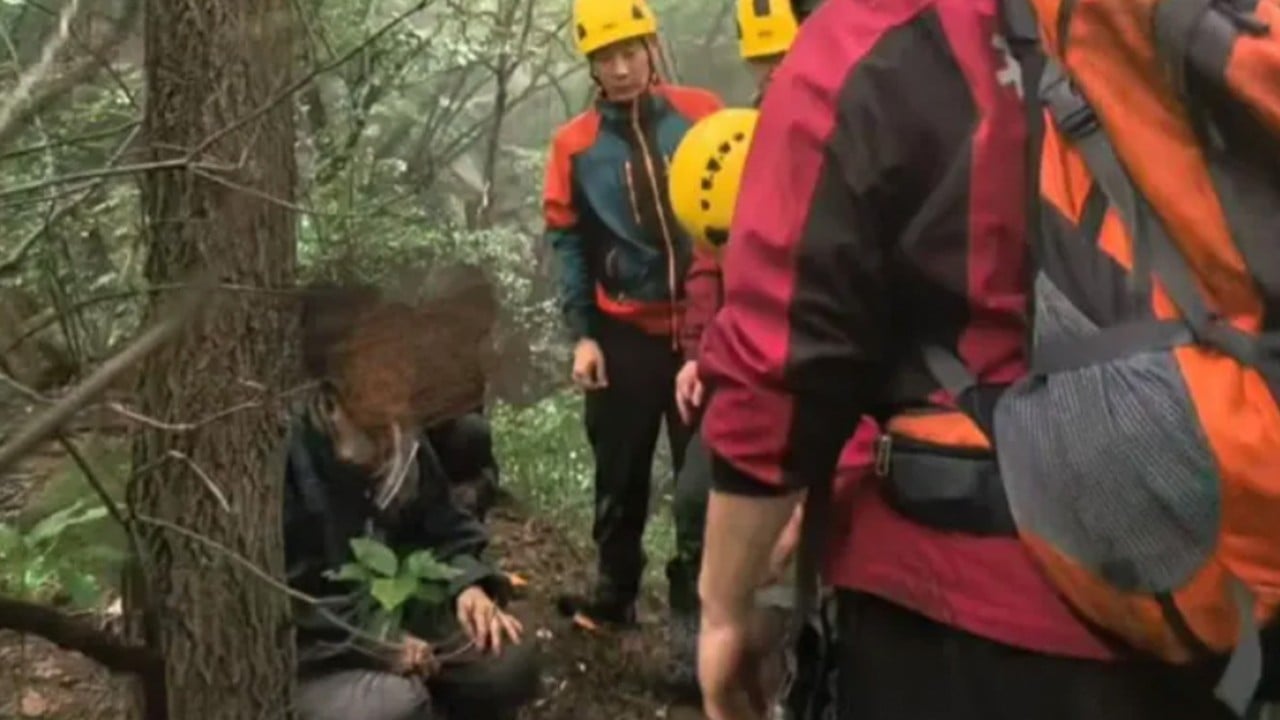
The radio static hissed in the command tent, punctuated only by the relentless howling of an alpine gale. Down in the valley, rescue coordinators stared at a flashing blue dot on a topographic map. The coordinates were precise. The hikers were stationary, huddled within walking distance of a marked trail shelter. Yet when search teams reached out via satellite comms, the response was chillingly passive. They refused to move. They claimed the high ridges belonged to ancient spirits protecting the mist, and stepping outside their freezing temporary perimeter would invite a curse worse than hypothermia.
This is the grim reality of modern wilderness operations in mountainous regions where traditional folklore collides head-on with outdoor recreation trends. When travelers stranded in remote terrain ignore extraction calls due to spiritual dread, emergency services face an unprecedented logistical and psychological nightmare. Traditional mountain rescue relies on a basic social contract: those in peril want to be saved. When supernatural fear overrides the primal instinct for self-preservation, entire search paradigms break down. You might also find this connected coverage insightful: The Structural Anatomy of Strait of Oman Security Protocols and Bilateral Signaling Mechanics.
The Anatomy of Isolationist Belief Systems
Belief systems dictating that certain peaks are sacred or inhabited by malevolent forces are not historical footnotes. They are living, breathing frameworks that dictate behavior during moments of acute crisis. In many high-altitude regions across Asia, local populations and traditionalists view jagged peaks not as recreational playgrounds, but as divine domains. Stepping onto specific scree fields or shouting near glacial lakes is believed to provoke local deities, triggering avalanches, sudden blizzards, or spiritual possession.
When urban tourists or spiritual seekers venture into these exact zones without proper cultural context, they often absorb these narratives through local guides, roadside shrines, or local folklore apps. Once caught in an unexpected whiteout or severe altitude sickness, rational thought deteriorates. Hypoxia shrinks cognitive flexibility. In that fragile mental state, a lingering local warning about mountain spirits morphs into a paralyzing conviction. As reported in latest reports by NPR, the implications are worth noting.
Rescuers do not just battle frostbite and vertical drop-offs. They combat invisible phantoms that hold more authority over the victim than a professional guide shouting through a megaphone.
Logistical Nightmares for First Responders
Time is the ultimate currency in high-altitude extraction. Every hour a stranded party spends exposed to sub-zero temperatures exponentially increases the probability of tissue necrosis, multi-organ failure, and death. When a rescue team spends three precious hours arguing with a disoriented hiker over satellite radio about whether breaking camp will anger a valley ghost, the margin for survival evaporates.
Search and rescue commanders now find themselves forced to train personnel in psychological persuasion techniques that bypass theology entirely. Standard protocols teach emergency workers to reassure patients, assess injuries, and establish evacuation routes. They do not teach how to de-escalate a panic rooted in generational animism.
Consider a hypothetical scenario played out across remote ridges with increasing frequency. A team of three is pinned down by an October blizzard at 4,000 meters. The lead climber develops severe pulmonary edema, gasping for air. The nearest shelter is five hundred meters down a well-defined path. Search teams track their GPS beacon and offer a clear extraction window via radio. The remaining conscious partner refuses the help, whispering into the microphone that moving the stricken climber will disturb the stone spirits guarding the summit, insisting that staying put and praying is their only salvation.
Rescuers cannot wait out theological debates. They must make the agonizing choice to launch forced extractions, turning search operations into physical extractions where unwilling patients are strapped to gurneys against their verbalized consent.
The Liability Gap in Extreme Terrain
This phenomenon exposes a glaring hole in the legal and insurance frameworks governing global adventure tourism. Standard travel insurance policies cover medical evacuation, helicopter deployment, and emergency transport due to injury or environmental exposure. They do not account for voluntary non-compliance driven by psychological paralysis or cultural immersion gone wrong.
When an extraction team burns fuel, risks pilot lives in turbulent mountain rotors, and deploys elite personnel, only to find the subjects refusing to board the helicopter because of a local superstition, the financial and operational waste is staggering. Local authorities shoulder the burden. Governments in remote mountain districts are forced to allocate scarce public funds toward rescuing individuals who actively resisted their own salvation.
Operators are responding by rewriting briefing packets and tightening waivers. High-altitude outfitters now include specific clauses warning clients about the psychological toll of isolation and demanding adherence to safety commands regardless of local folklore encountered on the trail. Yet, enforcement on massive, porous mountain ranges remains nearly impossible.
The Intersection of Digital Connectivity and Ancient Fear
Ironically, the rise of satellite messaging devices has intensified this crisis. In the past, isolated hikers cut off from civilization had no choice but to wait for rescue or rely on their own wits to descend. Today, a stranded traveler can text precise GPS coordinates while simultaneously scrolling through online forums, local legends, and regional travel blogs detailing the haunted history of the very peak they are freezing on.
Information overload amplifies anxiety. A mild panic attack combined with a quick internet search about cursed mountain passes creates a toxic cocktail of dread. The victim is no longer just cold and lost; they are convinced they have crossed a divine boundary.
First responders report finding victims wrapped in thermal blankets, staring blankly at dead smartphones, whispering prayers to local deities while ignoring the blinking lights of a rescue drone hovering twenty feet above their heads. The technology brought help, but the digital echo chamber fed the terror that kept them from accepting it.
Rewriting the Playbook for High-Altitude Crises
Addressing this friction point requires a fundamental shift in how mountaineering safety is taught. Governments and alpine clubs must move beyond basic gear checklists and route planning. Wilderness first responder training now has to incorporate modules on cultural psychology and crisis communication under extreme duress.
Rescuers need the tools to dismantle irrational fears quickly without invalidating the local culture that spawned them. It is a delicate rhetorical needle to thread. A rescuer cannot simply mock a deeply held regional belief while trying to clip a harness onto a terrified human being. They must acknowledge the reality of the environment while asserting physical safety as the absolute, non-negotiable priority.
Until search agencies are equipped to handle the psychological weight of ancient beliefs in modern wilderness emergencies, the mountains will continue to claim victims not just because of gravity and cold, but because of the terrifying power of what people choose to believe when the wind howls and the sun goes down.
:max_bytes(150000):strip_icc()/ar-American-Cheese-taste-test-horizon-4x3-54cc339550cd44b9a818c17bdfd5428d.jpg)