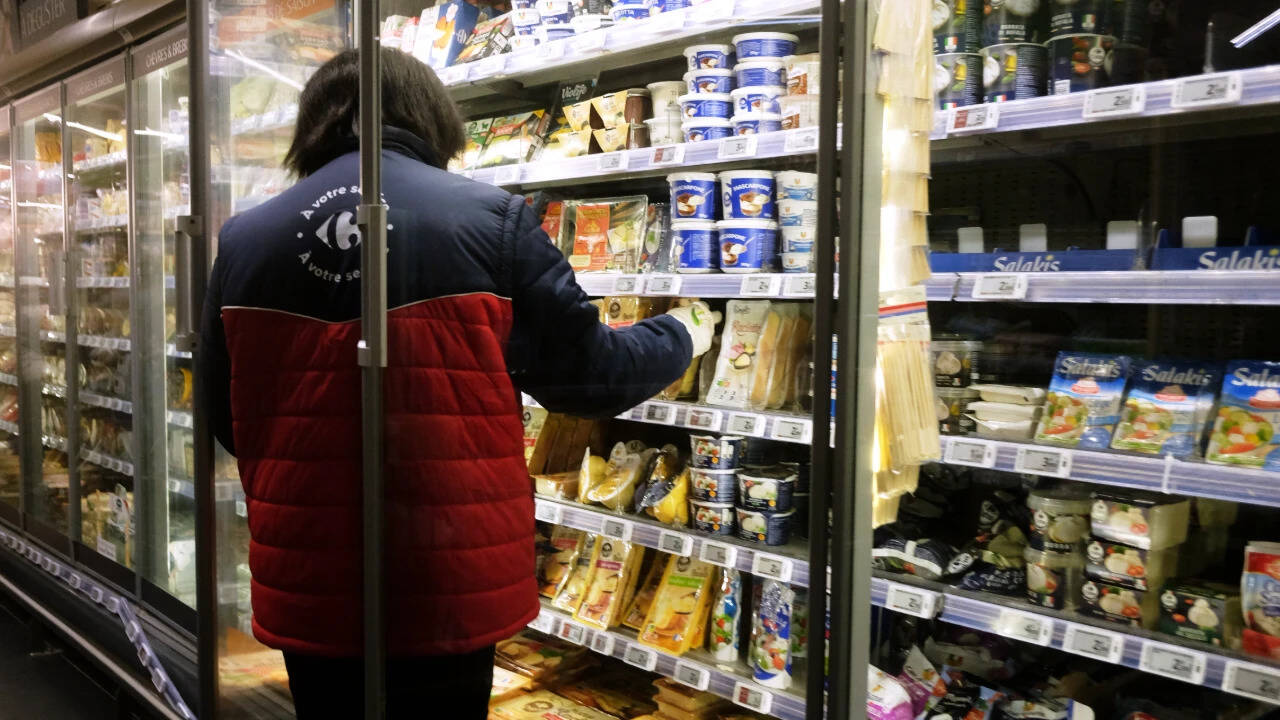
Your grocery store freezer isn't just a cold box anymore. It's a networked computer sitting on the open internet, waiting for someone to flip the wrong switch.
When cyberattacks hit roughly 700 French supermarkets in October 2026—and triggered a wider wave across Europe weeks later—it exposed a blind spot that most security teams treated like an edge case. Hackers didn't steal credit cards or lock up checkout terminals. Instead, they pushed refrigeration units into prolonged defrost cycles overnight, letting temperatures climb high enough to ruin aisles of meat, dairy, and frozen goods while costing retailers tens of millions of euros. Worse yet, French officials warned that the threat wasn't a one-off prank that vanished once stores cleared the spoiled stock.
Honestly, if you've spent years thinking cyberattacks only mean leaked passwords or frozen bank accounts, this wave of industrial sabotage is a wake-up call. Physical supply chains depend on quiet operational technology (OT) controllers that nobody thinks about until the ice cream turns to soup.
How Supermarket Fridge Hacks Hit Hundreds of Stores
The October 2026 incident in France showed how fast a digital intrusion becomes a physical mess. Stores across major banners—including Intermarché, Netto, Coopérative U, Carrefour, Monoprix, and E.Leclerc—saw refrigeration controls altered overnight. Rather than taking down point-of-sale software, attackers targeted the temperature management side of the operation.
According to reporting on the incident, defrost cycles meant to run briefly were stretched for hours while cold rooms sat full of perishable stock. Because the shift happened when fewer staff were on the floor and standard alerts didn't catch the manipulated state right away, temperatures climbed sharply. In some cases, units hit around 50 degrees Celsius (122 degrees Fahrenheit), with isolated reports of even higher temperatures, melted equipment, or fire and sprinkler damage.
A single store in Gradignan reported roughly €21,000 in lost inventory after a cold room heated up. Multiply that across hundreds of locations, and the bill adds up fast. French Finance Minister Roland Lescure told parliament that roughly 700 of France's 10,000 supermarkets were hit, while stressing that national food supplies weren't threatened even as affected stores had to throw away spoiled products.
Then came the second shock. In early November 2026, a similar wave struck supermarkets across several other European countries, including Belgium, the Netherlands, Sweden, Germany, and others. French Foreign Minister Jean-Noël Barrot pointed the finger at Iran's Islamic Revolutionary Guard Corps, and Paris prosecutors opened a formal investigation examining suspected organized cybercrime tied to foreign interests—alongside broader scrutiny from European and U.S. officials. While attribution in state-linked cyber operations always carries nuance and ongoing verification, the pattern made one thing obvious: this wasn't an isolated glitch.
Why Connected Cooling Became an Easy Target
From my perspective working around industrial and enterprise networks, the real scandal isn't that hackers figured out how to mess with a thermostat. It's that so many commercial controllers were exposed directly to the public internet with weak segmentation or outdated software.
When facility managers want remote monitoring across dozens or hundreds of stores, convenience wins out. Technicians can check compressor status, tweak setpoints, or troubleshoot alarms from a laptop instead of driving across town at 2 a.m. That sounds great on paper. In practice, exposing industrial control interfaces without strict VPNs, network isolation, and timely patching hands attackers a direct door into physical machinery.
Public scans using search engines like Shodan have repeatedly turned up thousands of internet-facing refrigeration interfaces, such as Danfoss controllers. Having an interface visible online doesn't automatically mean every single unit is actively compromised at that moment, and security researchers note that exposure counts vary depending on firmware and configuration. Still, when thousands of control points sit reachable on the open web, automated scanning and targeted exploitation become much easier.
Equipment makers have issued advisories urging operators to update firmware—such as moving to newer software releases—and restrict administrative access to trusted networks and VPNs. Yet older gear creates a stubborn headache. Many commercial freezers and chillers run for a decade or more. Legacy hardware sometimes lacks modern authentication or can't easily run current patches without expensive retrofits or replacements.
Beyond Groceries What Else Is at Risk
Supermarkets get the headlines because shoppers see closed freezer aisles and dumpsters full of spoiled food. The bigger worry is anywhere else temperature control keeps something vital safe.
Reports around the European wave also highlighted attempts targeting refrigeration systems at three French Blood Establishment (EFS) blood banks, where staff intervened using monitoring alerts before blood plasma was ruined. Earlier in 2026, industrial freezers in Israel and commissary freezers at U.S. military bases also drew scrutiny over temperature spikes and spoilage.
Think about what those cases have in common:
- Tight thermal margins: Fresh meat, dairy, ice cream, vaccines, and blood products don't forgive hours of heat. Once temperatures cross safe thresholds, food safety rules or clinical standards force immediate disposal.
- Just-in-time logistics: Modern retail runs lean. As researchers like Pieter Zwaan of the Clingendael Institute have pointed out in coverage of European grocery disruptions, stores rely on frequent deliveries and connected systems to keep shelves moving. Lose cold storage and restocking bottlenecks quickly.
- No ransom needed for damage: Traditional ransomware tries to extort money by encrypting files or stealing data. Sabotaging physical cooling inflicts immediate financial loss, brand damage, and operational chaos without needing a single stolen customer record.
What Retailers and Facility Teams Get Wrong
A lot of organizations treat IT (corporate laptops, email, accounting) and OT (HVAC, refrigeration, building controls) like two separate planets. In reality, they share networks, vendors, and blind spots.
One mistake I see constantly is assuming a "closed" industrial protocol is safe by obscurity. Many refrigeration and building systems were designed decades ago for reliability inside a local plant or store, not to withstand hostile traffic coming off the public internet. Slap a remote-access bridge onto an old controller without firewalls or multi-factor authentication, and you're basically inviting trouble.
Another common trap is relying on a single alarm path. If an attacker alters a schedule or suppresses a warning—or if alerts only go to a quiet inbox overnight—nobody notices until morning. Independent physical temperature sensors or out-of-band monitoring can catch drift even when the main controller software is acting strange.
Finally, there's a big difference between what sounds good in a security policy and what happens at 3 a.m. during a busy week. Patching refrigeration controllers takes planning. You can't just reboot a walk-in freezer in the middle of peak summer heat without risking food temperatures unless you have backup cooling, staged rollouts, and clear ownership between store managers, maintenance contractors, and cybersecurity staff.
There's also room for honest debate on how far and how fast to push "smart" connectivity. Not every thermostat or compressor needs cloud telemetry. Sometimes the smartest security move is cutting unnecessary network connections altogether.
Practical Steps to Lock Down Cold Storage
If you run retail facilities, cold-chain logistics, or commercial buildings—or you advise teams that do—don't wait for a midnight defrost surge to test your defenses. Start with practical basics that actually reduce risk:
- Audit what's exposed right now: Inventory every refrigeration controller, PLC, and gateway across every site, and check whether any management ports or interfaces are reachable from the public internet.
- Pull controllers off the open internet: Place refrigeration and building controls behind dedicated VLANs, firewalls, and tightly controlled VPN access rather than leaving raw interfaces exposed.
- Patch current gear and plan for legacy units: Apply vendor firmware updates where supported, and document which older units can't be patched so you can isolate them or schedule hardware replacement.
- Add independent temperature alerts: Pair controller checks with separate temperature monitors and clear after-hours escalation paths so rapid heat-ups trigger real human response.
- Run a cold-chain failure drill: Map out what happens if a walk-in cooler or freezer bank loses cooling overnight—who decides what gets tossed, how food safety is verified, and how fast backup units or repairs can roll out.