You wake up early, pack your bags, and head to the airport, ready for a well-earned summer holiday. Then you see the red text on the departure board. Cancelled. Or worse, you board the plane, only to sit on the tarmac for five hours while the cabin temperature rises and the bottled water runs out.
That is exactly what thousands of passengers are experiencing right now at Heathrow and Gatwick. A massive wave of summer thunderstorms just swept across London and the South East of England, knocking the UK aviation network into absolute chaos. By Saturday afternoon, flight trackers showed more than 600 flights delayed and over 100 completely cancelled across both major hubs. You might also find this similar article insightful: Stop Blaming The Helicopter When Luxury Tourism Is The Real Killer.
If you are stuck in a terminal right now or tracking a flight for a loved one, you are probably furious. Why does a bit of rain and lightning completely break the airport system? Smaller regional airports like Leeds Bradford and Edinburgh saw minor knock-on effects, but London got hammered. The reality is that London airspace is an overcrowded jigsaw puzzle, and when a storm hits, there is simply nowhere to put the pieces.
The Truth About Air Traffic Control During Summer Storms
Most people assume planes can just fly through or around a storm cloud without much trouble. Modern jets are tough, right? They are. But pilots will never deliberately fly through a mature cumulonimbus cloud. These storm cells pack severe turbulence, hail, and intense updrafts that can easily damage an aircraft or cause structural issues. As reported in recent coverage by Condé Nast Traveler, the implications are notable.
To stay safe, planes must fly around these storm cells. National Air Traffic Services, known as NATS, has to implement strict airspace restrictions when lightning and heavy downpours appear. When a thunderstorm builds up over south-east England and moves across the Channel toward north-western Europe, it effectively blocks the primary aerial highways.
Think of it like a multi-lane motorway suddenly losing three lanes due to a massive crash. All the traffic has to squeeze into a single remaining lane. In the sky, this means NATS and the European aviation agency, Eurocontrol, must space aircraft much further apart. Safety rules require massive gaps between planes when visibility drops and flight paths become unpredictable.
Because planes have to take longer, diverted routes to avoid the storm cells, they burn more fuel and take up more time in the air. Heathrow and Gatwick operate at near-total capacity on a normal summer day. There is no buffer zone. When you reduce the number of aircraft allowed to land or depart per hour, the entire schedule collapses like a house of cards.
Inside the Terminal Meltdown at Heathrow and Gatwick
The numbers from this latest disruption paint a bleak picture for weekend travellers. Flight tracking data from FlightAware highlighted that over 370 flights at Heathrow faced severe delays on Saturday, with British Airways bearing the brunt of the schedule changes. At Gatwick, easyJet had to pre-emptively ax dozens of flights just to keep the rest of its operation from completely melting down.
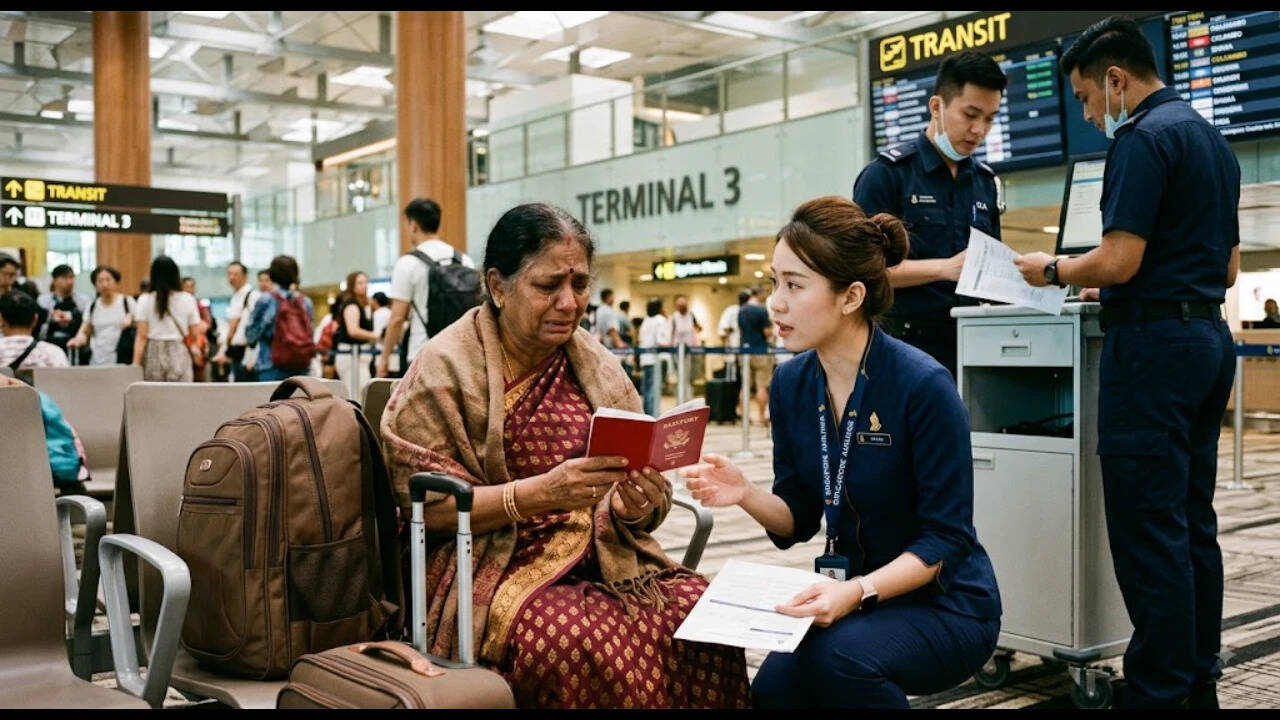
Passengers reported horrific conditions on social media. Some stood in sweltering queues at Heathrow Terminal 5 for hours, waiting for a handful of customer service agents to help them rebook missed connections. Others found themselves trapped inside metal tubes on the tarmac at Gatwick for upwards of four hours, waiting for a free slot from air traffic control or a baggage tug crew to push the plane back.
One passenger, Adam Joseph, detailed his experience of being stranded at Venice airport while trying to catch a British Airways flight back to Gatwick. His plane had not even left London to come pick him up. He ended up stuck in an Italian terminal with failing air conditioning, giving up his seat for a pregnant mother, with zero communication from the airline.
This highlights a massive issue with how airlines handle weather chaos. They are often just as blind as you are. When Eurocontrol issues an airspace restriction, the ground teams have to wait for rolling updates. An airline cannot tell you when your plane will leave if NATS has not given them a departure slot.
The Compensation Myth That Traps Distrained Passengers
Here is the hard truth that airlines do not want to explain clearly, and that passengers hate to hear. You are almost certainly not getting financial compensation for these delays.
Under the UK261 and EU261 passenger rights laws, airlines must pay out between £220 and £520 if your flight is delayed by more than three hours or cancelled at short notice. But there is a massive loophole. Airlines are exempt from paying if the disruption is caused by "extraordinary circumstances" which could not have been avoided even if all reasonable measures had been taken.
Severe weather and air traffic control restrictions fall squarely into this category. If NATS tells British Airways or easyJet that they cannot fly because the sky is full of lightning, the airline is legally off the hook for cash compensation. It does not matter if your holiday is ruined or if you miss a crucial business meeting. The law protects the airline's wallet when the weather turns sour.
However, do not let airlines trick you into thinking they owe you nothing at all. They still have a strict duty of care.
If your flight is delayed by more than two hours for short-haul flights, or more than three to four hours for longer flights, the airline must provide you with vouchers for food and drink. If your flight is delayed overnight, they must book you a hotel room and arrange transport to get you there and back. If they refuse or tell you to find your own accommodation, keep every single receipt. You have a legal right to claim those reasonable expenses back later.
How to Handle an Airport Ground Stop Right Now
If you are trapped in the middle of a major storm disruption, screaming at a gate agent will not get your plane into the air any faster. You need a practical strategy to salvage your travel plans.
First, download the mobile app for your airline immediately and turn on push notifications. The app usually updates faster than the physical boards inside the terminal. If your flight gets cancelled, the app often allows you to rebook onto the next available flight with a few taps, bypassing the massive queue at the customer service desk.
Second, check alternative transport options yourself before talking to anyone. If you are travelling within the UK or to Western Europe, look up Eurostar schedules or national rail routes. If your flight is cancelled and the next available seat is three days away, asking for a full refund and booking a train ticket might be your only realistic choice.
Third, call the international customer service helpline for your airline, not just the UK number. If thousands of people are calling the UK helpline, you will be on hold for hours. Calling the airline's Australian, American, or Japanese support lines often connects you to an agent within minutes because those regions are in different time zones and face lower call volumes. They use the same booking systems and can rebook your flights instantly.
Pack essential medications, a change of clothes, and phone chargers in your hand luggage. Never put vital items in your checked bags. If your plane sits on the tarmac for hours or your flight is cancelled after you check in, you might not get access to your suitcase for a long time. Staying prepared, tracking air traffic data on apps like Flightradar24, and knowing your legal rights around food and accommodation will keep you sane while the storms clear out.