Counting heads is a lazy way to measure success. For decades, tourism boards from Tokyo to New Delhi have obsessed over one metric: arrivals. More people, more money, right? Wrong. That logic is breaking our favorite cities and poisoning the relationship between locals and visitors. If you've tried to walk through Kyoto's Gion district or navigate the crowds at the Taj Mahal lately, you know exactly what I mean. We're hitting a wall.
Overtourism isn't just an annoyance for people trying to take a selfie. It's a structural failure. When a destination measures its health by how many millions of people pass through a turnstile, it ignores the cost of those people. It ignores the trash, the strained power grids, the soaring rents that kick out locals, and the fact that a "bucket list" traveler spending $20 on a cheap magnet doesn't actually help the economy much. We need a new scoreboard.
The Arrival Trap and Why It Fails
The industry calls it the "volume game." It's easy to track and looks great in a government press release. "Record-breaking year!" makes for a catchy headline. But look closer at what's happening on the ground.
Japan is a perfect case study. In early 2024, the Japan National Tourism Organization reported monthly visitor numbers exceeding 3 million for several consecutive months. It sounds like a triumph. Yet, in Fujikawaguchiko, authorities literally built a giant black mesh barrier to block the view of Mount Fuji because tourists were crowding sidewalks and blocking traffic just for a photo of a Lawson convenience store. Think about that. A town had to hide its biggest asset just to survive the people coming to see it.
That's a failure of metrics. If the success of your tourism strategy results in you needing to build walls to keep tourists away from a view, you aren't winning. You're losing control.
In India, the situation is just as messy but different in scale. The Taj Mahal sees over 7 million visitors a year. The Archaeological Survey of India (ASI) had to introduce timed entry tickets to prevent "human stampedes." Even then, the sheer volume of breath and sweat inside the marble mausoleum is literally changing the color of the stone. If the metric is "more people," then the Taj is a success. If the metric is "preservation of a world wonder," it's a slow-motion disaster.
Shifting Focus to Value Over Volume
The smart money is moving toward "High-Value, Low-Impact" models. This isn't about being elitist or only letting rich people travel. It's about finding travelers who actually care about the place they’re visiting.
Bhutan has been doing this for years with its Sustainable Development Fee. They charge a daily tax just for being there. It keeps the numbers manageable and ensures the money goes back into the country’s infrastructure and carbon-neutral goals. While most countries won't go that far, they’re starting to borrow the philosophy.
We should be looking at Revenue Per Available Resident. If a thousand tourists come to your town but the locals can't afford to live there because every apartment is an Airbnb, that’s a net loss. We need to track how much of the money actually stays in the local community. A traveler who stays in a locally owned boutique hotel, eats at a family-run bistro, and hires a local guide is worth ten travelers who arrive on a massive cruise ship, eat at a global chain, and leave nothing but plastic waste behind.
The Kyoto Shift and Social License
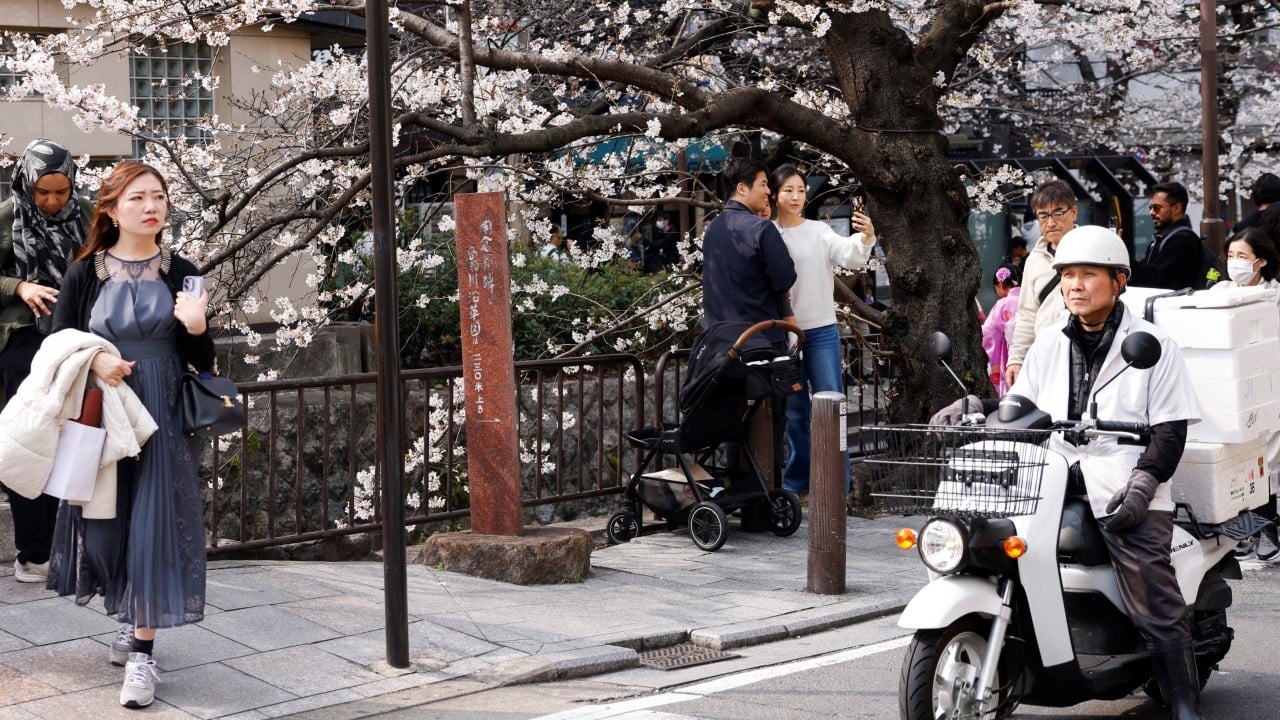
Kyoto is finally pushing back. They’ve banned tourists from certain private alleys in the Gion district to protect Geisha from being harassed. They’re also experimenting with "two-tier" pricing—charging tourists more for public transport or entry fees than locals.
It's about "social license." A destination only works if the people living there want the tourists to be there. Once the locals start seeing tourists as a plague rather than a benefit, the soul of the place dies. You end up with a "Disneyfied" version of a city where no one actually lives, and everything is a souvenir shop.
In India, Rajasthan is feeling this tension. Cities like Jaipur and Udaipur are vibrant because they’re living, breathing urban centers. But as boutique hotels take over heritage buildings and prices for basic goods rise, the very culture that people come to see gets pushed to the outskirts.
Success should be measured by Resident Sentiment. If the locals are miserable, the destination is failing. Periodic surveys of local happiness should be just as important as the GDP contribution of the travel sector.
Digital Solutions and the Dispersal Problem
Everyone goes to the same ten spots because the internet told them to. This "clustering" is what kills. Technology needs to be part of the solution, not just the cause of the problem.
Apps that show real-time crowding data can help. Imagine getting a notification on your phone in Tokyo saying, "The Senso-ji temple is at 90% capacity; why not check out this hidden shrine three stops away instead?"
Dispersal is the goal. Japan’s government is trying to push people toward the "Route 11" or the "Diamond Route" instead of just the Tokyo-Osaka-Kyoto "Golden Route." India is doing the same by promoting "Offbeat India"—trying to get people to look at the hills of Meghalaya or the deserts of Gujarat instead of just the Taj Mahal.
The metric here should be Geographic Spread. If 90% of your visitors stay in 5% of your land area, you have a management problem. A healthy tourism economy spreads the wealth (and the footsteps) across the whole map.
Environmental Integrity as a Hard Metric
Carbon footprints aren't a "nice to have" anymore. They’re a survival requirement. Tourism accounts for roughly 8% of global greenhouse gas emissions.
Destinations need to track Carbon Intensity per Visitor. If your visitors are all flying long-haul and then taking domestic flights once they arrive, your environmental cost is astronomical. We need to prioritize regional travel and better rail links. Japan’s Shinkansen is a model for this, but even they struggle with the sheer volume of luggage clogging up commuter trains.
In India, the waste management at high-altitude trekking sites like Rishikesh or the trails in Himachal Pradesh is a nightmare. Success can't just be the number of people who reached the summit; it has to be the amount of trash removed from the mountain.
Stop Overthinking and Start Acting
The transition away from volume-based metrics isn't a theory; it's a necessity for any place that wants to be worth visiting ten years from now. If you're a traveler, stop being part of the swarm. If you're a policymaker, stop bragging about arrival numbers.
Here’s what needs to happen right now:
- Implement Dynamic Pricing: Increase costs during peak times and lower them for the off-season. Use that extra cash specifically for local infrastructure, not a general government fund.
- Kill the Mega-Cruise Growth: Limit the number of massive ships docking in fragile ports. They bring the highest volume with the lowest local economic benefit.
- Track the "Leakage": Measure how much tourism revenue leaves the country via foreign-owned hotel chains and booking platforms. Optimize for local ownership.
- Prioritize Resident Needs: If a bus line is too crowded for a local to get to work because of tourists, add a "locals-only" express or tax the tourists to double the fleet.
- Change the Marketing: Stop selling the same three icons. If your national tourism ad features the same building everyone else uses, you're failing.
We have to move toward a model where we value the quality of the experience over the quantity of the visitors. The "more is better" era is dead. It’s time to start counting what actually matters: the preservation of culture, the happiness of the locals, and the health of the land. Otherwise, we’re just loving these places to death.
Choose the path less traveled. Literally. Stay longer in one place. Buy local. Respect the "no photo" signs. The future of travel depends on us being guests, not just consumers.
Go find a place that hasn't been "discovered" by a viral TikTok yet. You'll have a better time, and the world will be slightly better for it.