Diplomatic paralysis between Washington and Tehran is governed by incompatible structural incentives rather than transient rhetoric. Recent declarations from the United States administration dismissing Iranian negotiating conditions highlight a fundamental breakdown in bilateral conflict resolution. Analyzing this impasse requires examining the core economic levers, military leverage points, and geopolitical trade-offs that prevent either party from making unilateral concessions.
The Asymmetric Cost Function of the Blockade
The current dynamic rests on a severe asymmetry in economic pressure and asset control. The United States strategy relies on maintaining a naval blockade and leveraging frozen sovereign financial assets. From a strategic standpoint, Washington views these measures as sunk costs that yield sustained coercive value without requiring active, large-scale combat engagements. Read more on a similar topic: this related article.
Tehran faces a steep cost function characterized by constrained energy exports and restricted access to international capital. However, the domestic political architecture of Iran treats capitulation on core technological programs as an existential threat to regime legitimacy. Consequently, external economic deprivation produces a hardening of negotiating postures rather than compliance. Tehran has codified seven baseline demands—ranging from the termination of sanctions and the release of assets to regional security assurances—that directly contradict the foundational objectives of the United States and its regional allies.
The Geopolitical Mechanics of the Strait of Hormuz
Control over maritime choke points serves as the primary physical lever in this theater. While major active combat operations have subsided, low-intensity kinetic friction persists through maritime skirmishes and the disruption of commercial traffic in the Strait of Hormuz. Further analysis by Reuters explores similar views on this issue.
- The Washington Calculus: The United States maintains that military superiority and control over asset channels render a formal, negotiated treaty unnecessary. The objective shifts from securing a comprehensive diplomatic settlement to maintaining a containment posture that degrades adversary capabilities over a multi-year horizon.
- The Tehran Calculus: Iran utilizes the persistent threat to maritime transit as an asymmetric counter-weight against superior conventional naval forces. By keeping shipping lanes volatile, Tehran imposes systemic costs on global energy markets, attempting to force external powers to pressure Washington for sanctions relief.
The Nuclear Impasse and Verification Deficits
The nuclear file remains the central friction point, complicated by verification bottlenecks and deep-seated distrust regarding enrichment thresholds. Washington and its regional partners demand the total removal of highly enriched material from Iranian territory. Conversely, Tehran asserts a sovereign right to domestic fuel cycle capabilities and refuses to surrender processed materials.
This disagreement creates a logical dead end. Proposals involving the dilution or transfer of enriched stocks to third-party states repeatedly founder because neither side trusts the verification mechanisms or the permanence of compliance steps. Interim diplomatic arrangements continuously fracture when translated into formal treaty text, as domestic political constituencies in both capitals penalize any perceived compromise.
Strategic Trajectory and Future Friction Points
Absent a mechanism to bridge the gap between complete disarmament demands and unconditional sanctions removal, the bilateral relationship will remain locked in a posture of hostile deterrence. Direct bilateral engagement has been deprioritized in favor of secondary diplomatic channels and regional mediation, which consistently fail to yield structural breakthroughs.
Future developments will likely hinge on external economic pressures from major crude importers and shifts in domestic political tolerances for sustained regional instability. As long as Washington calculates that maintaining the status quo incurs lower political costs than accepting Tehran's prerequisites, formal diplomatic normalization will remain mathematically impossible.
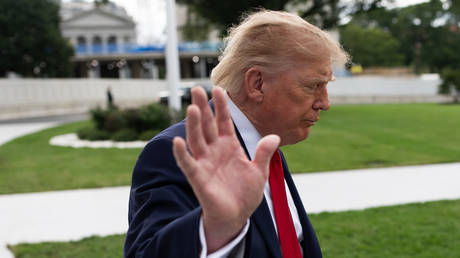
Trump says "we don't need a deal with Iran," as Tehran sticks to its demands
This reporting from CBS News provides direct context on the official United States stance regarding bilateral negotiations and the ongoing control of financial assets and maritime routes.