Decades of underground engineering in the Gaza Strip have created a subterranean labyrinth beneath one of the most densely populated plots of land on earth. When sections of this hidden infrastructure give way, the resulting fatalities rarely register as isolated structural accidents. They represent the catastrophic intersection of improvised geotechnical techniques, severe material shortages, and intense geopolitical pressure. Dozens of casualties following recent tunnel collapses highlight a systemic engineering failure driven by wartime expedience and the harsh limits of available construction materials.
To understand why these subterranean arteries fail, one must look at the geology of the coastal plain. The terrain consists primarily of unconsolidated sand, aeolian deposits, and weak alluvial silt. Natural strata of this type possess virtually zero inherent cohesion. Without continuous shoring, timber framing, or reinforced concrete lining, subsurface voids in sandy soil will inevitably experience shear failure. Gravity exerts an unrelenting downward force, and without adequate arch geometry or load-bearing distribution, the earth reclaims the space. For a different look, read: this related article.
For years, builders relied on salvaged metal pipes, corrugated sheets, and whatever timber could be smuggled or scavenged across borders. Concrete became a scarce commodity, heavily restricted under dual-use import controls that classified basic construction components as potential military assets. Consequently, many shafts and galleries were constructed using substandard mixes or inadequate reinforcing bars. When cement lacks proper aggregate ratios or curing time, its compressive strength plummets. Under the immense dead load of meters of overburdened sand, these weak points fracture silently before catastrophic implosion occurs.
Groundwater infiltration compounds the danger. Seasonal rains and shallow aquifers saturate the sandy soil, increasing its bulk density while simultaneously eroding unsealed mortar and rusting out steel supports. Water acts as a destructive solvent to poorly consolidated structures. As moisture seeps through the earth, it washes away fine particles around the tunnel walls, creating localized cavities that destabilize the entire crown of the subterranean passage. By the time operators notice damp patches or minor trickles, the dynamic load-bearing capacity of the tunnel has already been compromised beyond repair. Further analysis on the subject has been published by Reuters.
The human cost of these structural failures is exacerbated by the absence of modern safety architecture. Standard civil engineering projects incorporate gas detection monitors, emergency escape shafts, seismic monitoring, and redundant ventilation networks. In a clandestine environment, such amenities are luxuries that increase visibility and slow construction velocity. Workers operate in cramped, unventilated spaces relying on improvised lighting and primitive hand tools. When a collapse initiates, the speed of granular flow leaves virtually no time for evasion. Dry sand behaves like a dense fluid when disturbed, rapidly filling voids and asphyxiating anyone trapped within seconds.
Geotechnical analysis of past incidents reveals predictable patterns of stress concentration. Intersections, branching junctions, and areas beneath heavy surface structures experience the highest shear stresses. When builders cut corners to bypass unstable pockets of wet clay or subterranean debris, they create structural anomalies. These weak zones act as stress concentrators, where microscopic micro-cracks propagate rapidly under vibration from heavy surface traffic or distant concussions.
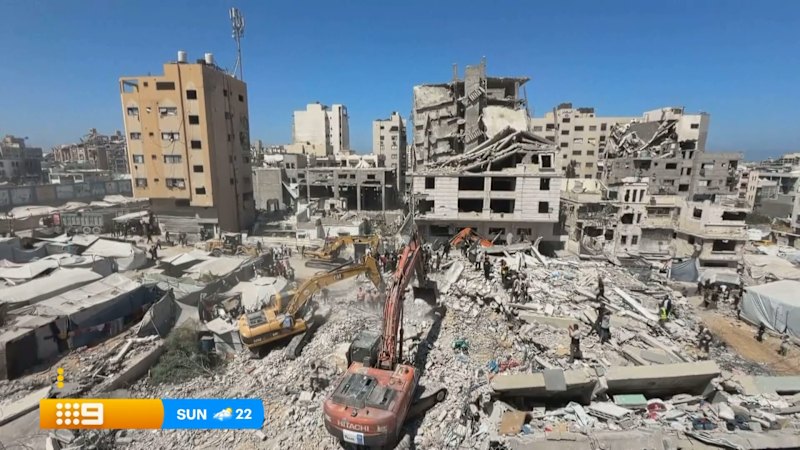
Emergency response within this environment remains exceptionally hazardous. First responders face the constant threat of secondary collapses as the disturbed soil column above continues to settle. Heavy machinery is rarely available for immediate excavation, forcing rescue teams to tunnel manually through unstable debris while racing against dwindling oxygen supplies. Every shoring timber placed during a rescue operation is a calculated risk against further shifting of the sandy overburden.
The structural crisis underlying these subterranean networks exposes a grim reality. Engineering physics remains entirely indifferent to political conflict or resource blockades. When tunnels are driven through loose coastal sediment without the benefit of proper soil mechanics, hydraulic stabilization, or high-grade reinforcing materials, physics dictates the outcome. Until the fundamental constraints of material availability and soil stabilization are addressed, the subterranean infrastructure beneath the strip will remain perpetually vulnerable to catastrophic structural collapse.