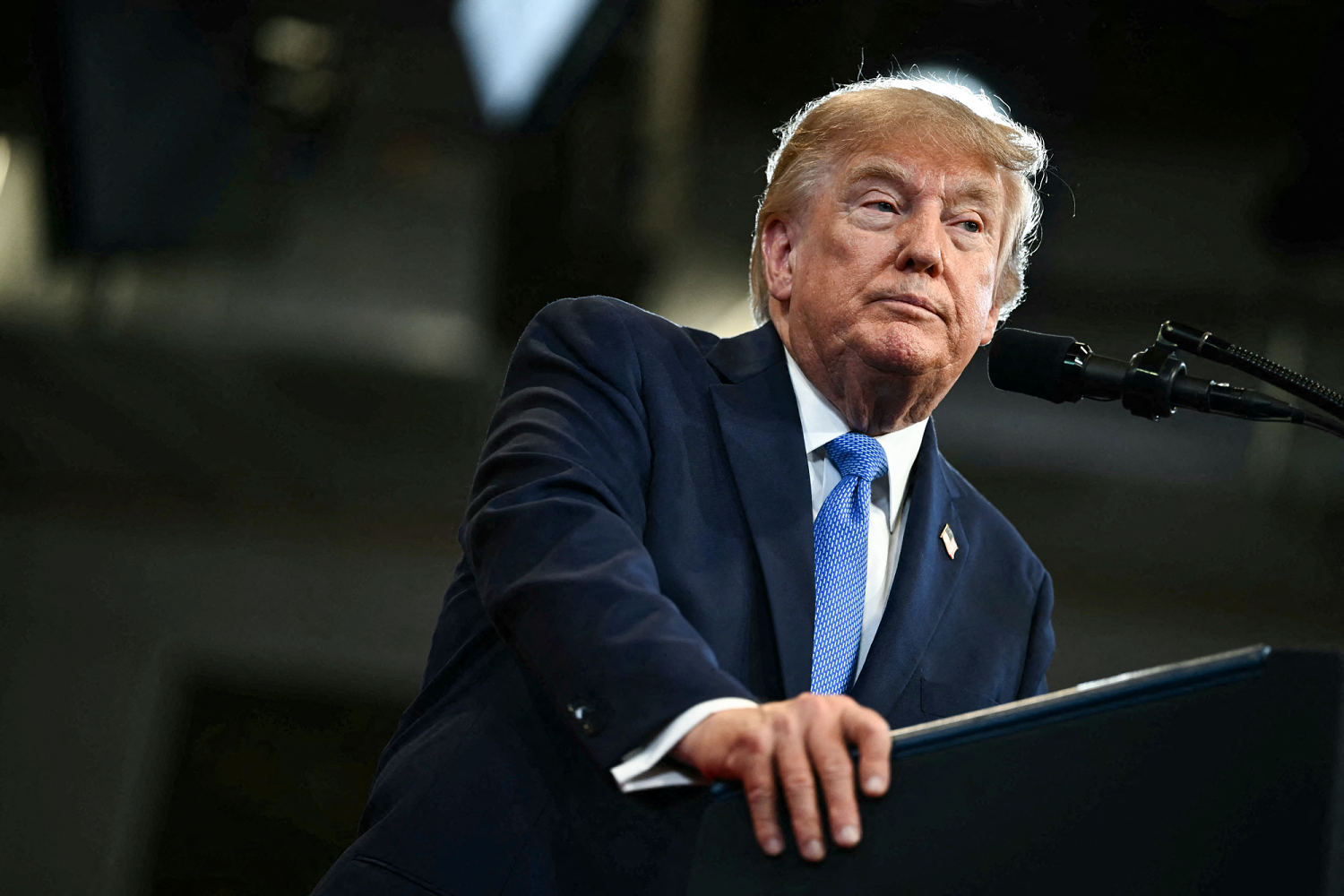
Food price inflation creates a direct political vulnerability, forcing administrations to choose between immediate consumer relief and long-term domestic producer incentives. When the executive branch attempts to suppress record-high beef prices by expanding foreign import quotas, it triggers a predictable structural clash with domestic cattle ranchers.
The friction between the White House and agricultural producers over foreign beef access reveals fundamental tensions within commodity markets, trade policy, and herd lifecycle management. Evaluating this dynamic requires stripping away political rhetoric to examine the cost functions, supply elasticities, and biological constraints governing the North American cattle industry.
The Biological Constraints of Cattle Inventory Cycles
To understand why import proposals generate acute pushback from agricultural constituencies, one must analyze the biological lag inherent in beef production. Unlike manufactured goods or short-cycle agricultural sectors like poultry and swine, cattle production operates on an unforgiving timeline dictated by mammalian biology.
The gestation period for a cow is roughly nine months, and a calf requires another twelve to eighteen months of feeding and finishing before reaching slaughter weight. This creates a multi-year lag between economic signals and supply adjustments.
- Liquidation Phase: Extended multi-year droughts across major grazing regions combined with high input costs for feed, fertilizer, and diesel force ranchers to liquidate breeding stock. This liquidation temporarily floods the market with cheap beef, depressing prices in the short term.
- Trough Phase: Once the breeding herd shrinks to generational lows—such as the seventy-year inventory lows observed in recent cycles—available slaughter cattle contract sharply.
- Rebuilding Phase: When ranchers finally experience favorable market prices and decide to expand their herds, they must retain heifers for breeding rather than sending them to feedlots. This retention further restricts immediate market supply, driving retail prices higher even as producers invest in future capacity.
Interventions that flood the market with foreign alternatives during the critical rebuilding phase disrupt this delicate biological calculus. When external supply enters to artificially depress prices, it interferes with the market signals required to incentivize long-term domestic capital investment.
The Mechanics of Market Interventions and Price Transmission
Proponents of expanding import quotas from South American producers like Argentina argue that injecting foreign supply directly lowers retail costs for consumers facing persistent inflation. However, the economic transmission mechanism between imported lean beef trimmings and retail steak prices is highly indirect.
Most imported beef from South America consists of lean trimmings used primarily for ground beef production, whereas domestic consumer demand heavily indexes toward middle meats, strip loins, and ribeyes. Flooding the domestic processing channel with below-market foreign trimmings alters the blended cost structure for industrial meatpackers, but empirical observation suggests these savings rarely pass through proportionately to retail grocery shoppers.
Instead, the immediate, quantifiable impact of such announcements is felt in the commodity futures markets. Futures contracts drop sharply upon the news of impending supply shocks, introducing artificial volatility. This uncertainty penalizes domestic producers who rely on predictable price curves to secure operating loans and plan grazing rotations.
The policy creates a zero-sum tension:
- Consumer Objective: Immediate price relief at the checkout counter via expanded global sourcing.
- Producer Objective: Predictable, sustained price floors to justify the multi-year capital outlay of rebuilding liquidated herds.
Attempting to satisfy both objectives simultaneously through border adjustments produces structural paralysis. If prices fall too far due to foreign competition, ranchers halt heifer retention, ensuring that domestic supply remains constrained over the medium term.
The Trade Policy Contradiction and Sanitary Risk Factors
Beyond raw supply volumes, agricultural trade policy involves complex trade-offs regarding sanitary standards, geopolitical positioning, and bilateral leverage. Rancher advocacy groups and bipartisan coalitions frequently highlight asymmetries in sanitary regulations and market access barriers.
Foreign suppliers operating under different regulatory frameworks may not face identical compliance costs regarding environmental mandates, labor standards, or electronic identification tracking. When domestic producers invest heavily in biosecurity and traceability systems, allowing lower-cost imports from regions with historical vulnerabilities to animal health diseases—such as foot-and-mouth disease—introduces systemic risk to the entire national herd.
Furthermore, trade policy in this sector is rarely isolated. Restricting feeder cattle imports from neighboring supply zones due to specific pest concerns while simultaneously expanding processed beef quotas from distant markets creates a perception of regulatory inconsistency. This undermines the credibility of long-term strategic frameworks designed to protect domestic agriculture while projecting strength in international trade negotiations.
Strategic Execution for Agricultural Market Stabilization
Resolving structural inflation in the protein sector requires moving beyond superficial border adjustments that alienate rural constituencies. Sustainable price normalization depends on expanding domestic processing capacity to reduce bottleneck margins captured by middle-tier intermediaries, deploying targeted disaster relief to accelerate regional herd recovery, and streamlining federal grazing leases to lower baseline operational overhead.
Policymakers must align short-term relief rhetoric with the long-term economic realities of biological production cycles. Providing certainty to domestic producers remains the only viable mechanism to expand the national herd permanently, lower structural food costs organically, and safeguard agricultural stability.