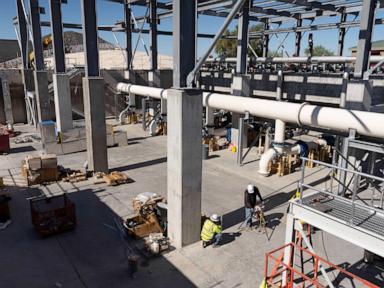
Modern energy regulation in high-cost power markets suffers from a fundamental systemic misalignment: the capital expenditure incentive structure. Investor-owned utilities operating under traditional cost-of-service ratemaking frameworks derive their earnings growth primarily from expanding their physical asset base. Regulators approve a guaranteed rate of return on equity, typically hovering around ten percent, applied directly to capital investments in transmission lines, substations, and centralized generation. This economic architecture creates an adverse feedback loop. Every dollar poured into heavy infrastructure expands the asset base, directly increasing corporate profit regardless of whether localized, decentralized alternatives could achieve system balance more cost-effectively.
The financial fallout of this model manifests as chronic rate inflation. When electricity prices outpace broader inflation metrics by wide margins, residential and commercial consumers bear the cost of an asset-heavy legacy system. To counteract this structural pressure, regulatory bodies and legislative frameworks increasingly attempt to integrate distributed energy resources, such as residential solar installations, community-scale battery storage, and electric vehicle demand-flexibility programs. However, the interface between centralized grid management and decentralized asset deployment remains friction-heavy, constrained by outdated interconnection protocols and valuation disputes over the actual cost or benefit of local generation.
Deconstructing the true cost of grid operation requires analyzing the mechanics of capital recovery. Centralized utilities argue that high fixed costs for grid maintenance must be recovered from all connected users, leading to contentious debates over net billing and the economic contribution of rooftop solar arrays. Conversely, independent economic evaluations indicate that localized generation mitigates the need for expensive high-voltage transmission upgrades and reduces peak capacity requirements. When distributed resources are treated as system costs rather than grid-support assets, regulatory calculations generate artificial deficits that justify punitive tariffs on consumer-owned generation.
The path forward demands a transition toward performance-based regulation that decouples utility earnings from capital expenditure volume. By tying revenue caps to reliability metrics, efficiency gains, and successful integration of virtual power plants rather than physical asset accumulation, regulators can realign corporate incentives with consumer affordability. Simultaneously, establishing uniform, automated frameworks for distributed resource orchestration will reduce interconnection queues and compress the time required to bring flexible demand and storage online. System optimization requires shifting the primary unit of economic value from centralized wire construction to decentralized asset coordination.