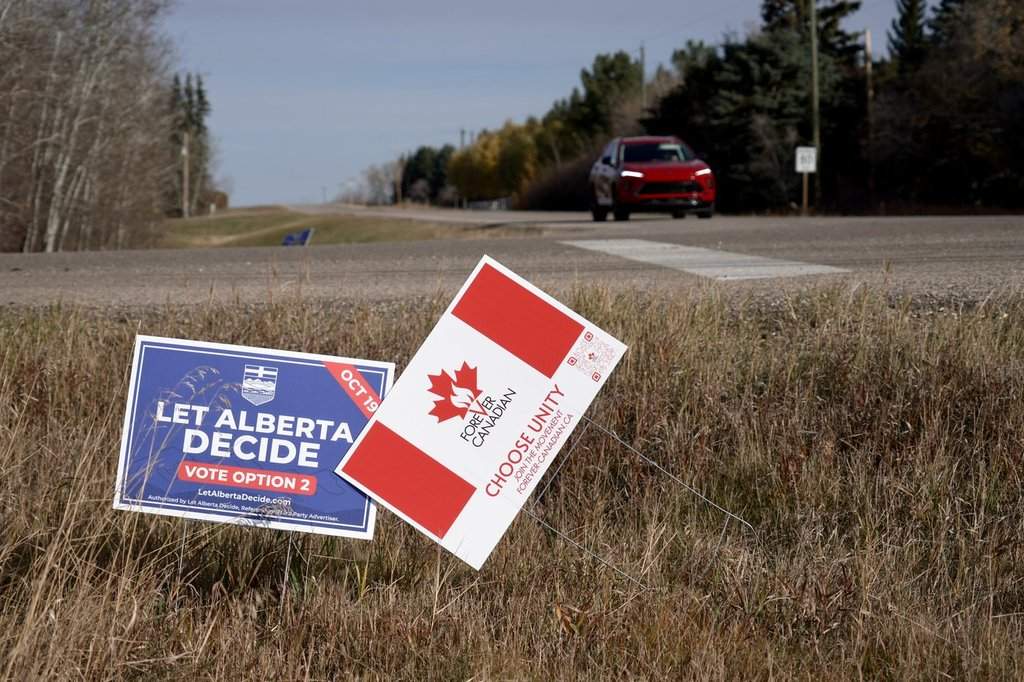
Electoral administration operates on statistical modeling, historical turnout baselines, and resource optimization curves. When voter participation breaks historical ceilings in specific demographic pockets, administrative frameworks optimized for administrative efficiency experience catastrophic bottlenecks. The operational friction experienced by First Nations communities during Alberta's separation and constitutional referendum exposes systemic vulnerabilities in how centralized electoral bodies forecast demand, allocate physical materials, and scale processing capacity.
The Mechanics of Resource Depletion
Electoral logistics rely on predictive allocation models. Elections Alberta determines ballot quantities, staffing levels, and station footprints using historical participation rates from preceding provincial general elections and localized demographic baselines. This methodology introduces a structural flaw: it treats a high-salience, multi-question referendum as a linear extrapolation of routine electoral events. Discover more on a related topic: this related article.
When a populace engages in a ballot initiative carrying existential stakes—such as treaty rights preservation and provincial separation—turnout dynamics shift from habitual participation to mobilization-driven surges. In several First Nations communities, including the Siksika Nation, this mobilization created an acute demand shock.
The operational failure manifested through two primary vectors: More reporting by NPR explores similar perspectives on the subject.
- Material Scarcity: Polling stations exhausted physical ballot inventories because replenishment algorithms lacked real-time elasticity. Because referendum ballots featured ten distinct policy questions, physical volume requirements per voter were exponentially higher than standard single-ballot elections.
- Throughput Constraints: Processing times per elector lengthened significantly due to the cognitive and physical load of navigating a complex ten-question ballot. Understaffed stations compounded this friction, transforming minor queue delays into multi-hour bottlenecks.
Asymmetry in Electoral Infrastructure
The disparity between urban administrative preparedness and rural or reserve polling capacity highlights an institutional blind spot. Centralized electoral bodies allocate resources based on geographic density rather than community-specific civic velocity.
First Nations leadership accurately characterized these shortages not merely as administrative oversights, but as structural barriers to franchise exercise. When voters face hours-long queues or encounter depleted ballot boxes, the cost function of voting spikes dramatically. For marginalized demographics, systemic friction functions as an unintended voter suppression mechanism. If the administrative overhead required to cast a ballot exceeds an individual's available time or physical endurance, participation rates contract artificially among populations experiencing service deficits.
The Quantifiable Impact on Democratic Legitimacy
The political paradox of the Alberta referendum lies in the inverse relationship between administrative failure and civic engagement. Despite logistical bottlenecks, Indigenous communities registered disproportionately high participation rates, driven by the imperative to safeguard constitutional and treaty frameworks.
However, operational friction introduces data distortion and legal vulnerability. When polling stations extend operational hours unilaterally—as occurred at Siksika to accommodate delayed voters—or when eligible electors face turned-away scenarios due to material stock-outs, the integrity of the administrative chain of custody comes under scrutiny. Democracy requires not only that citizens vote, but that the apparatus recording those votes maintains zero variance in execution quality across all jurisdictions.
Strategic Optimization for Future Electoral Cycles
To eliminate structural bottlenecks in future high-stakes referendums, electoral commissions must transition from static baseline allocation to dynamic, demand-responsive logistics models.
- Decouple Baseline Modeling: Abandon historical general election turnout as the primary coefficient for referendum ballot allocation. Implement dynamic weighting based on pre-registration velocity and community-led mobilization metrics.
- Buffer Inventory Protocols: Establish an on-demand, regional reserve of physical ballots with rapid-deployment couriers capable of servicing remote and reserve polling stations within a thirty-minute window.
- Decentralized Processing Capacity: Scale staff-to-voter ratios dynamically in communities demonstrating pre-polling engagement spikes, ensuring that multi-question ballots do not bottleneck at verification and issuance bottlenecks.
The friction observed in First Nations communities during the referendum demonstrates that civic mobilization will consistently outpace bureaucratic imagination. Electoral resilience requires systems engineered to bend under pressure, not break under volume.