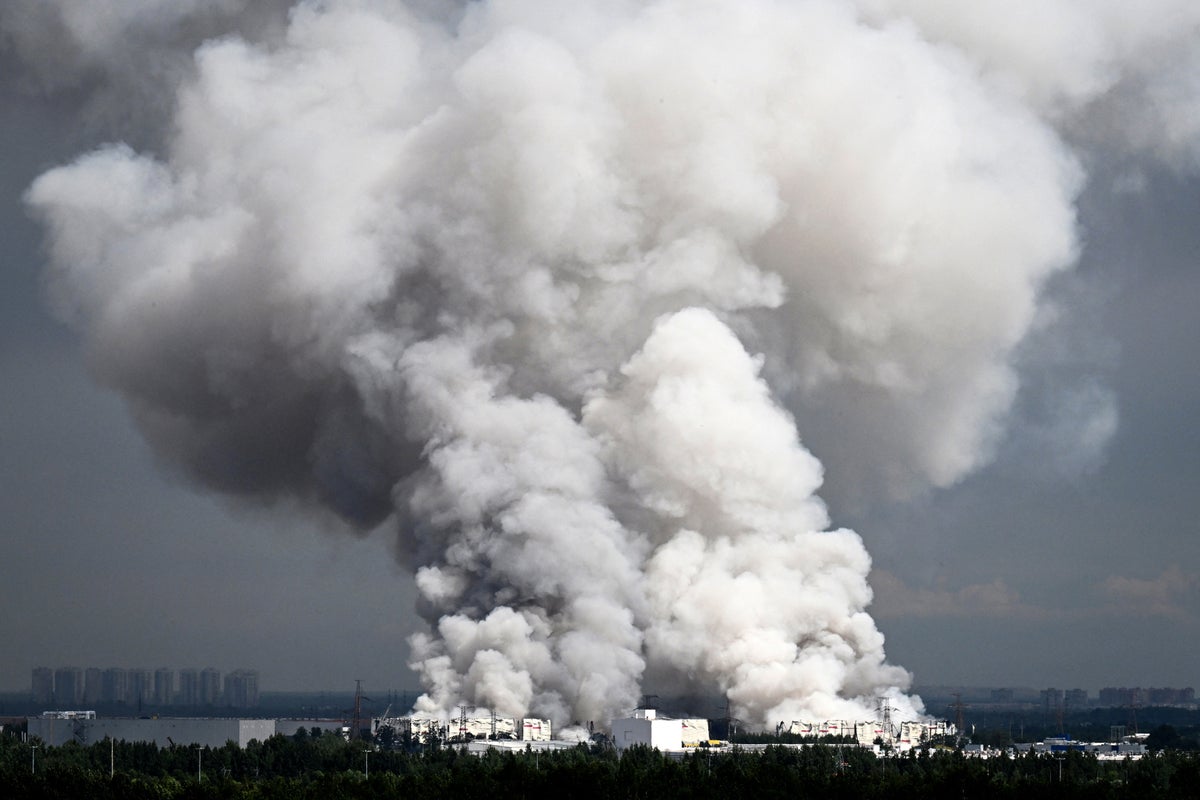
The physical infrastructure supporting modern retail e-commerce is inherently vulnerable to kinetic disruption when localized supply chains double as military staging networks. Recent waves of Ukrainian drone strikes targeting facilities operated by Wildberries, the dominant online marketplace controlling nearly fifty percent of the Russian e-commerce sector, expose the severe systemic risk embedded in centralized logistics models. Rather than isolated physical damage, these strikes trigger cascading failures across vendor capitalization, supply chain continuity, and consumer price stability. Deconstructing this operational breakdown reveals how the collision of modern distributed retail and high-intensity warfare reshapes national economic stability.
The Operational Anatomy of Centralized Logistics Vulnerability
Modern digital retail models rely on hyper-centralized warehousing hubs to optimize inventory turnover and reduce fulfillment friction. Wildberries scaled its operations by aggregating millions of third-party merchants into massive distribution centers strategically positioned near major metropolitan consumer bases. This concentration generates severe single-point-of-failure risks. In other updates, read about: Why California Minimum Wage Hikes Destroy the Very People They Pretend to Save.
When long-range kinetic strikes target these primary logistics nodes, the disruption is non-linear. The destruction of a single distribution facility does not merely halt local deliveries; it severs the inventory liquidity of thousands of independent merchants who park their entire liquid capital in physical stock.
The Tripartite Failure Model
- Inventory Liquidation Risk: Third-party sellers operate on thin working capital margins, frequently reinvesting proceeds directly into seasonal inventory stored inside platform-owned facilities. Kinetic destruction instantly vaporizes merchant balance sheets without generating insurance payouts.
- Node Redundancy Deficit: The high cost and strict zoning requirements of mega-warehouses prevent rapid geographic decentralization. When central nodes are compromised, regional routing tables collapse because peripheral micro-fulfillment centers lack the sorting capacity to absorb displaced volume.
- Dual-Use Asset Compression: Platforms operating within state-directed war economies inevitably absorb dual-use logistics functions, ranging from the transit of telecommunications hardware to military-adjacent gear. This operational entanglement shifts civilian fulfillment centers into legitimate tactical targets under international frameworks governing effective contributions to military action.
Financial Mechanics and the Force Majeure Transfer of Loss
The immediate aftermath of the warehouse strikes brought a severe contractual clash between platform operators and small-scale vendors. Platform leadership formally categorized the drone strikes as force majeure events, legally insulating the corporate entity from liability for merchant inventory losses. Investopedia has also covered this critical subject in great detail.
This legal maneuver shifts the totality of the cost function downward onto micro-entrepreneurs. Merchants who lost entire seasonal inventories absorb the loss directly, as standard commercial insurance products in the jurisdiction exclude acts of war and sovereign conflict.
The Cost-Shifting Equation
- Corporate Balance Sheet Protection: By invoking force majeure, the platform preserves its liquidity and credit rating, insulating its corporate valuation from multi-billion-dollar liabilities.
- Vendor Insolvency Cascade: Independent merchants face immediate debt defaults, inability to service bank loans, and structural bankruptcy. The destruction of physical inventory converts active market participants into distressed liabilities.
- State Subsidy Dependence: With corporate entities refusing direct compensation, the ecosystem relies entirely on state intervention packages to prevent widespread small-business collapse. This dynamic deepens the structural integration between private digital commerce and state fiscal policy.
Macroeconomic Transmission Channels
The disruption of nearly ten percent of primary fulfillment capacity introduces inflationary pressures into an already strained domestic economy. Online retail acts as the primary price-discovery mechanism for consumer goods across regions disconnected from traditional brick-and-mortar supply chains.
When inventory is destroyed faster than manufacturing and parallel import channels can replenish it, localized supply deficits drive immediate price spikes. Consumers face restricted product availability across essential categories, forcing purchasing power downward. Furthermore, the capital required to reconstruct high-capacity logistics infrastructure draws construction materials and labor away from other productive sectors, creating an opportunity cost that depresses broader economic output.
Strategic Realignment for Decentralized Resilience
To survive environments characterized by persistent asymmetric threats, digital retail operators must transition from centralized agglomeration to hardened, distributed topologies.
- Decentralize Inventory Pools: Shift away from mega-warehouses toward a federated network of smaller, heavily reinforced regional depots that limit the blast radius of kinetic events.
- Restructure Risk Allocation: Establish mandatory, state-backed war-risk insurance pools funded through transaction surcharges rather than leaving independent vendors exposed to uninsurable tail risks.
- Isolate Commercial and Tactical Supply Chains: Enforce strict asset segregation between standard consumer retail goods and logistics channels utilized for state-adjacent or dual-use procurement to clarify operational status.