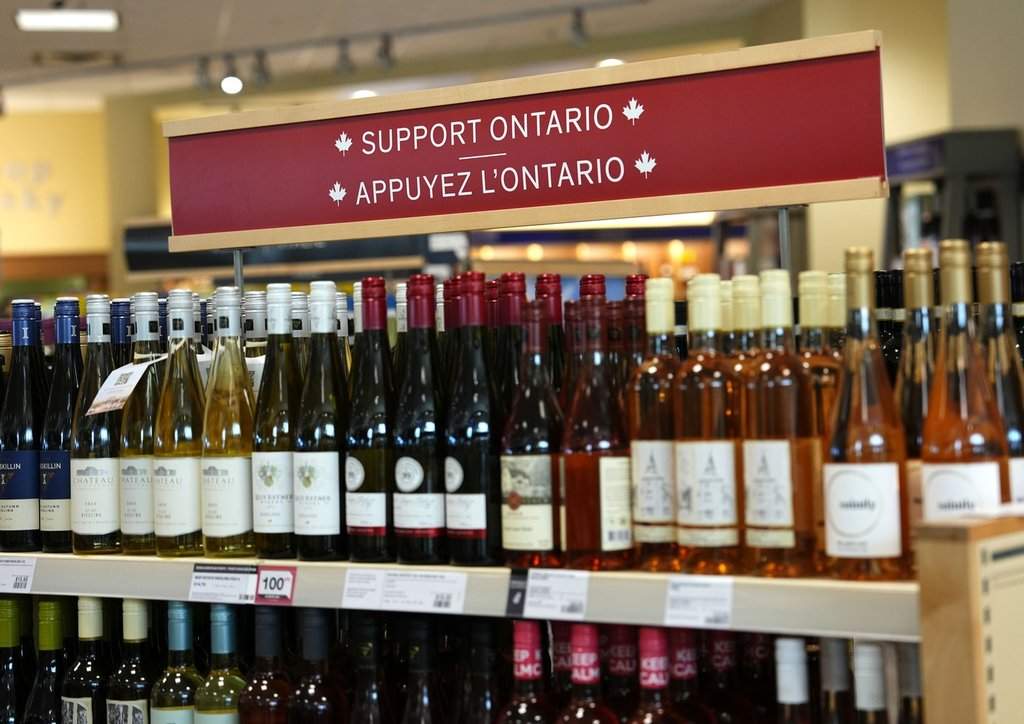
Intergovernmental trade friction often exposes the fragility of federated economic zones, particularly when executive mandates collide with provincial distribution autonomy. Recent executive directives urging subnational authorities to prioritize foreign beverage inventories illuminate a fundamental structural tension within cross-border supply chains. Understanding this friction requires moving past political rhetoric and examining the underlying logistics, regulatory mechanics, and economic incentives governing commercial movement.
The Regulatory Architecture of Subnational Distribution
In many federated states, retail and wholesale distribution operate under decentralized control structures. Provincial or state monopolies typically manage import licensing, warehousing allocations, and shelf-space distribution algorithms. When central authorities issue directives to alter inventory profiles, they encounter a multi-tiered administrative hierarchy.
The primary friction point lies in the divergence of fiscal incentives. Central governments optimize for macroeconomic indicators, diplomatic leverage, and aggregate trade balances. Conversely, subnational jurisdictions optimize for localized retail revenue, public health management, and provincial regulatory compliance. Without harmonized statutory frameworks, executive requests resemble moral suasion rather than enforceable operational changes.
The Cost Function of Inventory Displacement
Altering established supply chains to accommodate foreign inventory introduces quantifiable friction into commercial logistics. Retailers and distributors operate on lean inventory models designed around historical consumer demand, predictable lead times, and established vendor relationships.
Forcing distributors to stock alternative products without organic consumer pull generates distinct inefficiencies:
- Warehousing saturation occurs when new stock displaces high-turnover domestic SKUs.
- Working capital becomes locked in slow-moving inventory, depressing cash flow for independent wholesalers.
- Transport logistics face reconfiguration costs as distribution networks adjust delivery routes to accommodate non-standard suppliers.
These variables create a hidden cost function absorbed primarily by regional distributors rather than the legislative bodies enacting trade adjustments.
Market Mechanisms and Consumer Elasticity
Supply-side mandates frequently misalign with consumer demand curves. In beverage retail markets, brand loyalty, price sensitivity, and cultural preferences dictate velocity at the point of sale. When external pressures compel retailers to stock specific geographic origins, market dynamics react through distinct behavioral adjustments.
If price points for imported goods exceed domestic alternatives due to tariffs, currency fluctuations, or transport markups, inventory stagnation ensues. Retailers respond by shifting shelf-space allocation back to high-velocity products, rendering executive stocking initiatives ineffective without direct price subsidies or punitive retail mandates. Market mechanisms ultimately punish artificial supply alterations that ignore real-time consumer preference.
Strategic Operational Integration
Navigating intergovernmental trade disputes requires shifting focus from political declarations to structural supply chain resilience. Organizations operating within cross-border markets must build compliance buffers that insulate them from sudden regulatory shifts. This involves diversifying supplier networks, maintaining dynamic inventory forecasting tools, and establishing direct channels with regional regulatory boards to anticipate distribution bottlenecks before executive intervention occurs. Supply chain architectures built on redundancy rather than rigid efficiency offer the only viable defense against administrative volatility.


