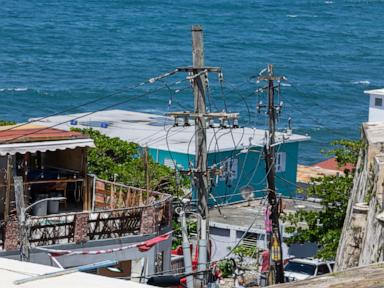
The cost of electrical energy on an isolated island grid is not merely a function of fuel commodities; it is a mathematical reflection of physical isolation, asset degradation, and systemic structural debt. When residential electricity rates climb to a record high—pushing a baseline 800-kilowatt-hour monthly consumption tier to $271—the underlying mechanics point to an unsustainable economic feedback loop. Deconstructing this crisis requires looking past surface-level political friction and examining the fundamental cost drivers governing generation, distribution, and liability on the island.
The Fuel Dependency Trap
The baseline cost structure of Puerto Rico's power generation remains anchored to imported fossil fuels. According to U.S. Energy Information Administration data, petroleum accounts for roughly 63% of the island's overall energy use, followed by natural gas at 31%, coal at 5%, and a negligible fraction in renewables at
Structural Mechanics of Puerto Rico Electric Rate Escalation
business, news
category>
The Cost Mechanics of an Island Grid
Energy pricing is fundamentally a function of fuel procurement efficiency, infrastructural loss factors, debt servicing burdens, and regulatory rate design. When a regional utility experiences compounding rate hikes, the root cause is rarely a single variable. Instead, it reflects a structural breakdown where fixed financial obligations collide with volatile commodity markets and degrading physical assets.
In Puerto Rico, the escalation of electric rates past historical thresholds is not an isolated pricing adjustment. It is the predictable outcome of an isolated grid architecture operating under heavy debt restructuring parameters, reliant on imported fossil fuels, and facing structural demand compression coupled with high commercial loss rates. To understand why utility bills reach record heights, one must deconstruct the financial and operational feedback loops governing the system.
The Fuel Procurement Trap and Generation Volatility
The primary variable dictating baseline power costs is the generation fuel mix. Island grids without domestic hydrocarbon reserves or integrated continental pipeline access face severe logistics friction. Puerto Rico relies heavily on imported petroleum distillates and natural gas for baseload and peak generation.
This creates immediate exposure to global commodity shocks. When international Brent crude or liquefied natural gas spot prices fluctuate, the pass-through mechanism instantly hits consumer tariffs through the fuel adjustment clause.
Beyond commodity exposure, the generation fleet suffers from high heat rates, meaning the amount of fuel required to produce a kilowatt-hour of electricity is sub-optimal due to aging turbine technology. As older thermal units degrade, their thermal efficiency drops. Consequently, consumers pay not just for the fuel consumed, but for the thermodynamic waste generated by outdated infrastructure.
The financial burden multiplies when these legacy plants experience forced outages. When a high-capacity baseload unit trips offline, the system operator must dispatch emergency peaking units—frequently running on high-cost diesel fuel—to maintain grid frequency and prevent widespread load shedding. This operational substitution spikes the marginal cost of generation for the duration of the outage, creating monthly variance that systematically trends upward over time.
Infrastructure Resilience and Non-Fuel Revenue Requirements
While fuel represents the variable component of the electric rate, the fixed component—often categorized under transmission and distribution delivery charges—reflects the cost of maintaining, hardening, and operating the physical network.
An island geography presents unique maintenance premiums. Saltwater corrosion, tropical storm exposure, and dense vegetation management require continuous capital expenditure compared to inland continental grids. However, decades of deferred maintenance have created a backlog of capital requirements. When capital is injected into a degraded grid under emergency procurement conditions, equipment and labor costs inflate rapidly.
Compounding this is the debt service overhang. Utility privatization and restructuring efforts involve negotiating legacy bondholder debt. When historical utility debt is bundled and reassigned into new repayment structures, a fixed percentage of every consumer kilowatt-hour is diverted away from operational reinvestment and directly toward debt service.
This creates a vicious cycle:
- Higher debt service obligations restrict the utility's internal cash flow for preventive maintenance.
- Deferred maintenance accelerates equipment failure frequency.
- Frequent failures necessitate expensive emergency repairs financed through additional capital outlays or rate relief petitions.
- Rates climb higher to service the expanded cost base, further straining consumer economics.
Demand Compression and Commercial Loss Dynamics
Rate structures on island grids operate under a high fixed-cost recovery model distributed across a shrinking or stagnant customer base. As industrial, commercial, and residential customers face escalating tariffs, economic incentives shift.
Commercial enterprises either absorb the margin compression, pass costs to end consumers, or invest in behind-the-meter alternatives such as rooftop solar photovoltaic systems paired with battery energy storage. Residential customers with capital adopt solar options to insulate themselves from utility volatility.
While distributed generation aids individual resilience, it introduces a structural challenge for the central utility: demand defection. As high-usage customers install solar arrays, the total kilowatt-hour volume over which fixed grid maintenance costs are distributed shrinks. To maintain the same revenue requirement needed to service fixed debt and grid upkeep, the utility must raise the per-kilowatt-hour rate on the remaining customer base. This accelerates further adoption of off-grid solutions, creating a structural death spiral for central utility economics.
Concurrently, non-technical losses—broadly encompassing electricity theft, meter tampering, and unbilled consumption—exacerbate the revenue shortfall. In systems with high non-technical loss percentages, the paying customer base subsidizes the unmetered consumption. The utility captures revenue on only a fraction of the total energy injected into the distribution transformers, forcing legal ratepayers to shoulder the total cost of system inefficiencies.
The Regulatory and Structural Outlook
Addressing structural rate inflation requires shifting focus from iterative tariff adjustments to fundamental system design. Without stabilizing fuel procurement through long-term hedging or accelerated transition to localized renewable baseloads with storage, exposure to commodity shocks will persist.
Similarly, until non-technical losses are structurally curtailed and the physical distribution network is re-engineered to minimize line losses, the cost of delivered energy will remain detached from standard economic efficiency curves. The trajectory of utility rates in isolated systems will continue upward until capital restructuring aligns fixed debt obligations with the actual carrying capacity of the local economy.